Pro-Peace and Anti-War Education
We educate both about and for the abolition of war. We engage in formal education as well as every variety of informal and participatory education interwoven in our activism and media work.


We educate both about and for the abolition of war. We engage in formal education as well as every variety of informal and participatory education interwoven in our activism and media work.
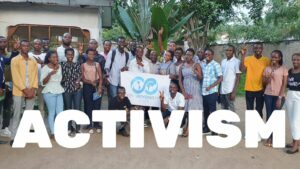
World BEYOND War provides chapters and affiliates with resources, trainings, and organizing support to amplify both online and offline events and campaigns for peace and justice.
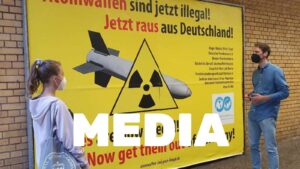
At World BEYOND War we make use of all variety of media and communications production and engagement, creating video, audio, text, and graphic media, and interacting with media outlets large and small.
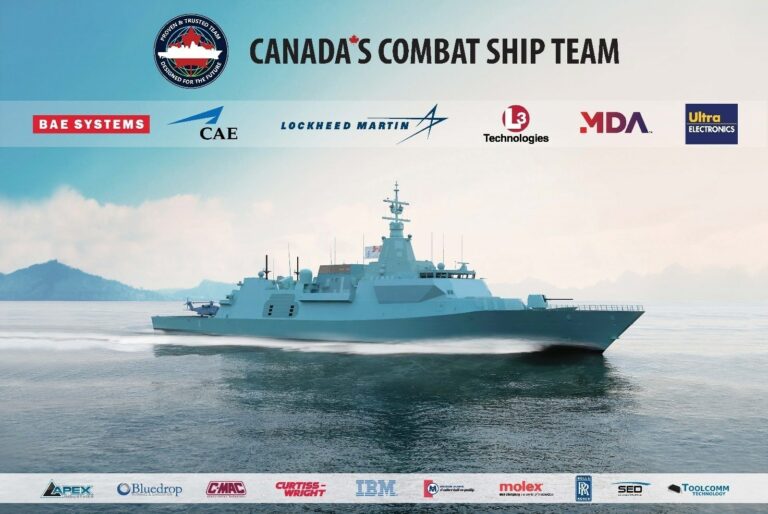
Canada needs a conversion to a green economy, away from fossil fuel production, to include a fair transition and retraining of displaced workers. There is a need for extraordinary investment in the new economy to enable a move towards climate change mitigation, environmental sustainability and social justice. We do not need increased investment in things that have no redeeming social value by endlessly preparing for war.

Chrispah Munyoro is a student of Applied Art and Design, Graphics and Website Programming at Kwekwe Polytechnic College in Zimbabwe. Munyoro is a talented writer, journalist and a dedicated Design Artist. She is natural linguist, fluent in many languages.
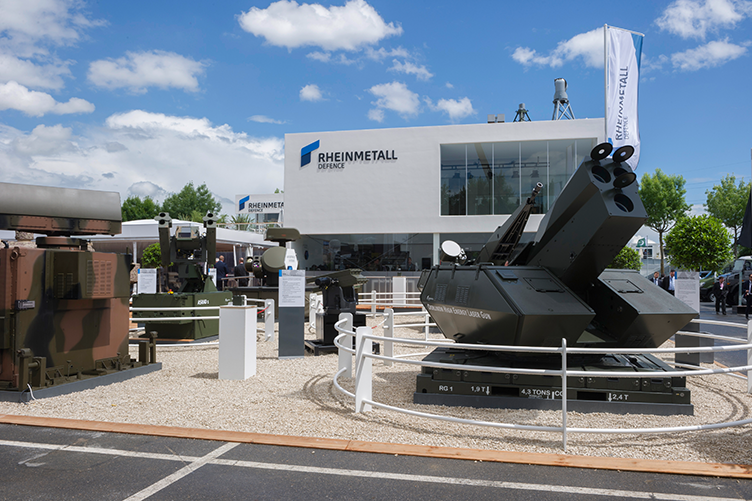
Although it accounts for less than one percent of world trade, the war business has been estimated to account for 40 to 45 percent of global corruption. This extraordinary estimate of 40 to 45 percent comes from – of all places — the Central Intelligence Agency (the CIA) via the US Department of Commerce.
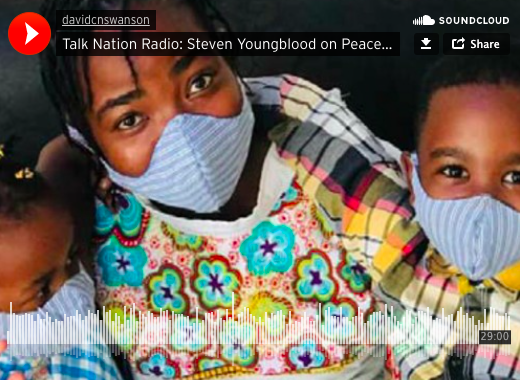
This week on Talk Nation Radio, we’re discussing peace journalism. Our guest Steven Youngblood is the founding director of the Center for Global Peace Journalism at Park University in Parkville, Missouri, where he is a communications and peace studies professor.
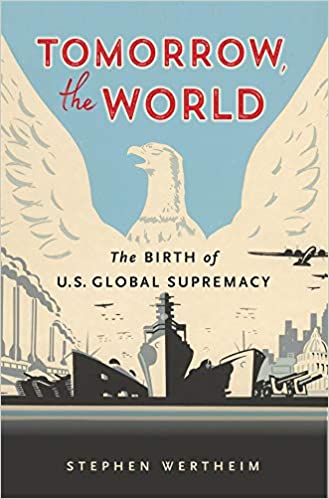
Stephen Wertheim’s Tomorrow, The World examines a shift in elite U.S. foreign-policy thinking that took place in mid-1940. Why in that moment, a year and a half before the Japanese attacks on the Philippines, Hawaii, and other outposts, did it become popular in foreign-policy circles to advocate for U.S. military domination of the globe?
Why o why
O please tell me why
Did you stand in the trenches And wait to die?