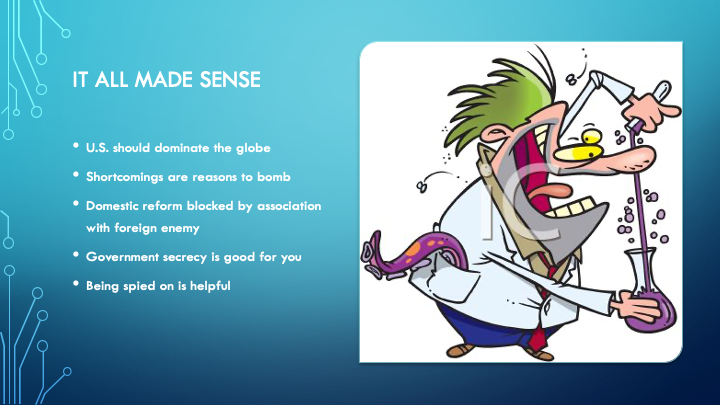
A Cold War Re-Education in 8 Minutes
The Cold War didn’t have a hard and fast beginning that transformed the world or that turned heroic anti-Nazi Soviets into Satanic Commies on a particular afternoon.


The Cold War didn’t have a hard and fast beginning that transformed the world or that turned heroic anti-Nazi Soviets into Satanic Commies on a particular afternoon.
For those of us who have no direct experience of drone warfare, popular culture is one of the major ways that we come to understand what is at stake in UAV operations.

Many people in the United States, as in many other places, are getting angrier. This would be a good thing if they all understood whom they should be angry at and the superiority of nonviolent activism to stupid, futile violence.
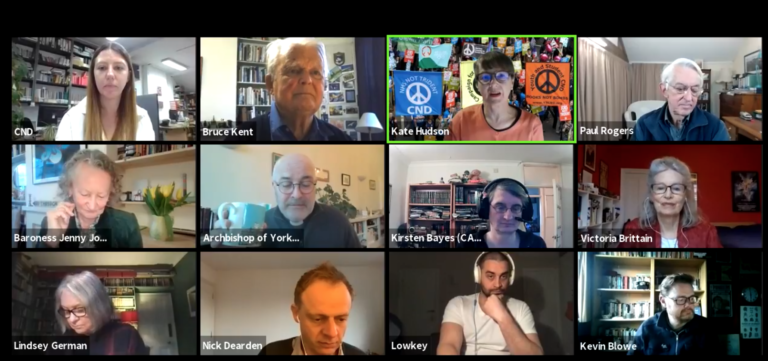
Watch this video on the UK’s terrible idea to build more nukes.

The United States and the United Kingdom are facing international criticism for moving to expand their nuclear arsenals, defying a growing global movement in support of nuclear disarmament.
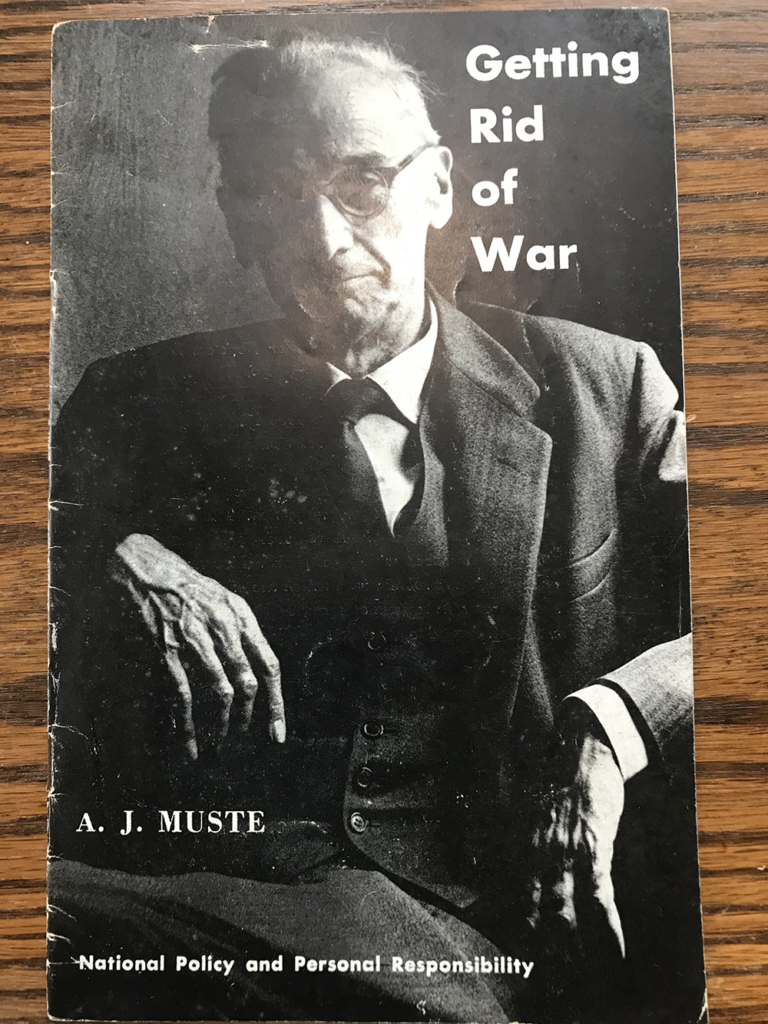
Can we still learn from AJ Muste?

Most Americans think of Agent Orange as something from the distant and disagreeable past—as dated as hippie vans and tie-dyed T-shirts. But the truth is that Agent Orange is still with us. And will be for decades to come.

The group is challenging a decision to allow the Navy to conduct training operations in state parks.
Feel free to find five of these reasons crazy. Any one of them should be sufficient alone.