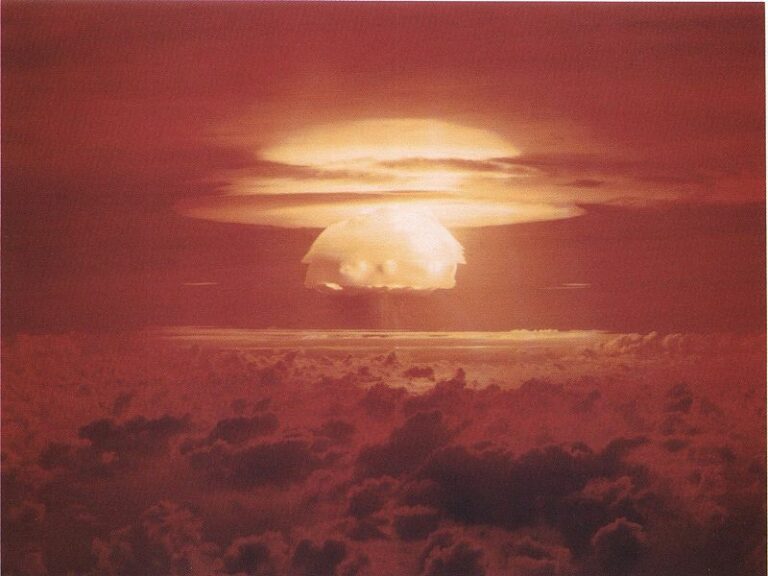
How We Got The Bikini And Learned To Hate The Bomb
“Castle Bravo” Nuclear Blast Reverberates 67 Years Later.


“Castle Bravo” Nuclear Blast Reverberates 67 Years Later.
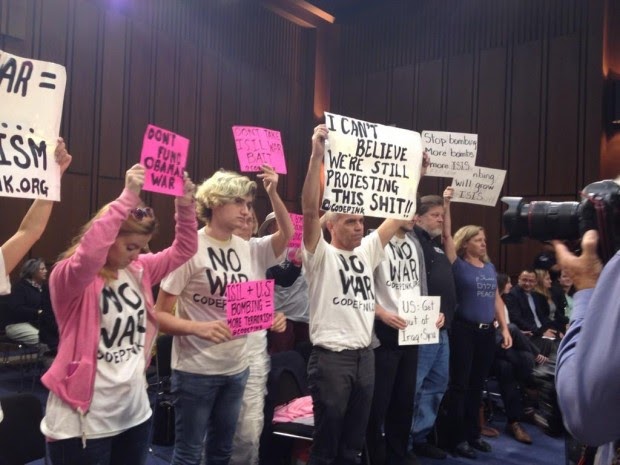
The February 25 U.S. bombing of Syria immediately puts the policies of the newly-formed Biden administration into sharp relief.
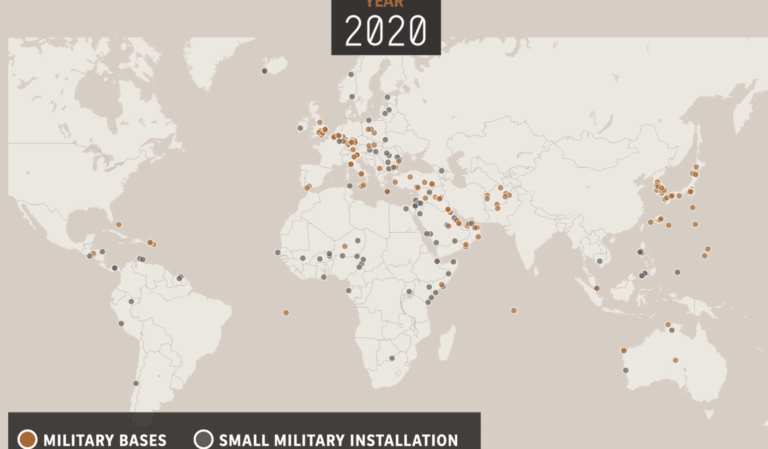
The USA Today, drawing on the work of the Cost of War Project, Quincy Institute, David Vine, William Hartung, and others, has gone beyond the limits of every other big corporate U.S. media outlet, and beyond what any member of the U.S. Congress has done, in a big new series of articles on wars, bases, and militarism.
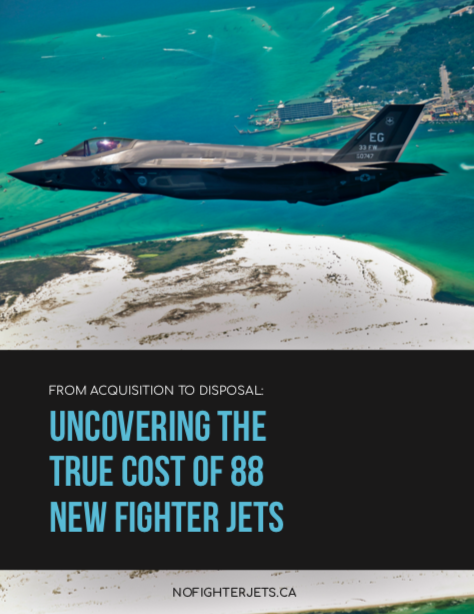
A report produced by the No Fighter Jets Coalition estimates that the real cost of the planned purchase of 88 new fighter jets by the Canadian government will total $77 billion.
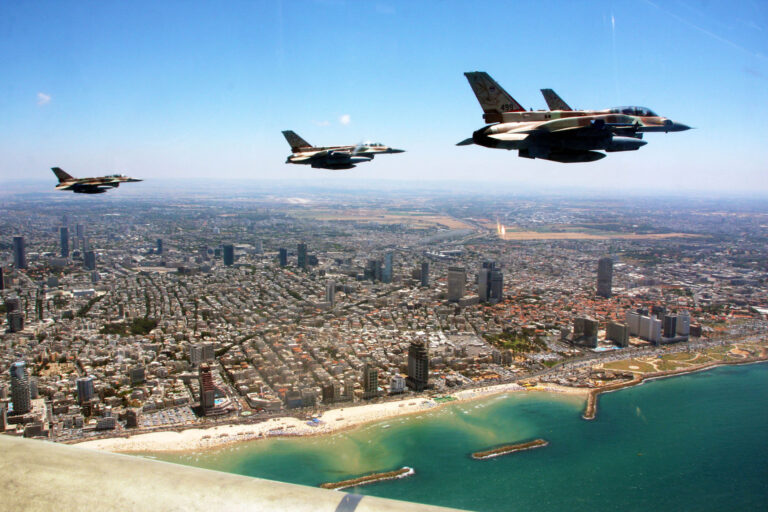
An Israeli documentary film called The Lab was made in 2013. It was shown in Pretoria and Cape Town, Europe, Australia and the US and won numerous awards, even including at the Tel Aviv International Documentary Film Festival.
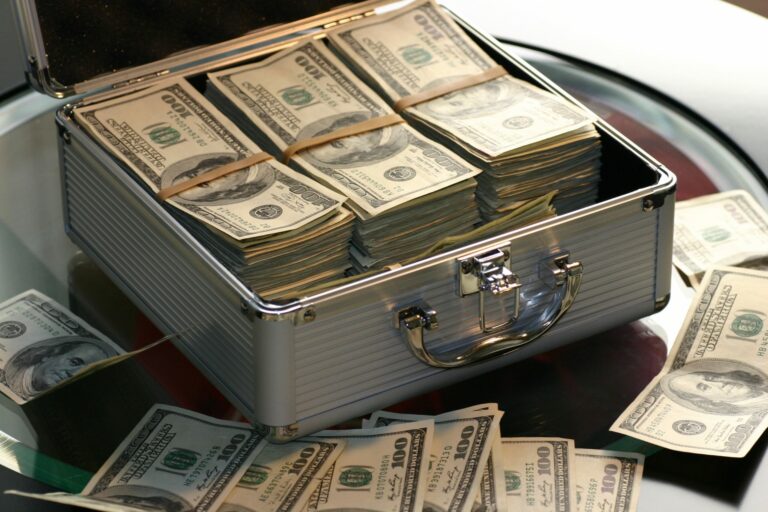
A very common way to compare countless other measurements is per capita, and this seems valuable to me too, when it comes to military spending.

The February meeting of NATO (North Atlantic Treaty Organization) Defense Ministers, the first since President Biden took power, revealed an antiquated, 75-year-old alliance that, despite its military failures in Afghanistan and Libya, is now turning its military madness toward two more formidable, nuclear-armed enemies: Russia and China.
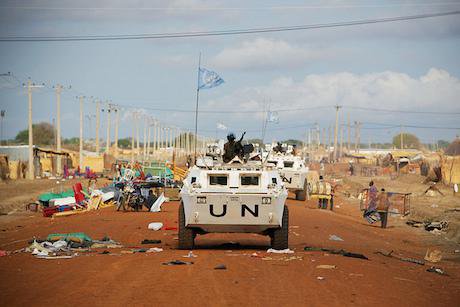
Huge military budgets will not protect us from extinction. Nations must redirect spending towards human security and peacekeeping now.
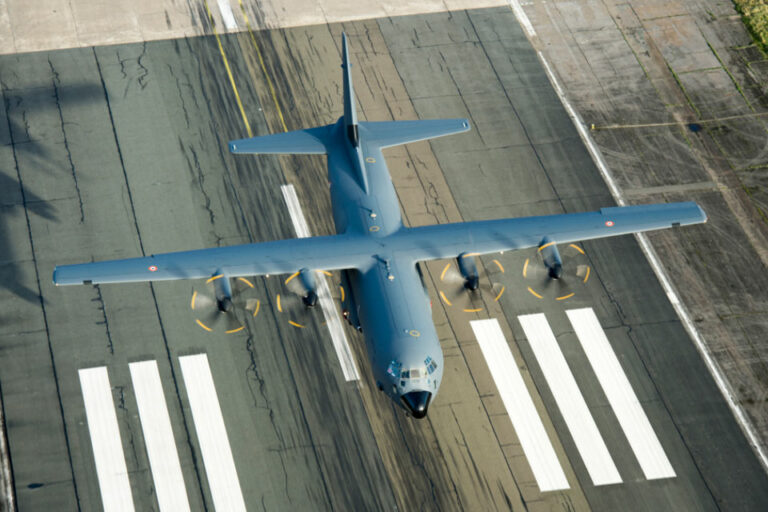
Militaries are frequently exempt from publicly reporting their greenhouse gas (GHG) emissions and there is currently no consolidated public reporting of GHG emissions for the national militaries of the European Union.