
VIDEO: Webinar: In Conversation With Caoimhe Butterly
The final conversation in this series of five conversations, Bearing Witness to the Realities and Consequences of War, with Caoimhe Butterly, hosted by the World BEYOND War Ireland chapter.


The final conversation in this series of five conversations, Bearing Witness to the Realities and Consequences of War, with Caoimhe Butterly, hosted by the World BEYOND War Ireland chapter.

The worst possible outcome of the war in Ukraine would probably be nuclear war. People’s desire for revenge as a result of this war is getting stronger by the day.

Nineteen years ago, in March 2003, I resigned as a U.S. diplomat in opposition to the President Bush’s decision to invade Iraq.

It has become unbearable to observe the western media, in the grip of corrupt military contractors, wielding their undue influence on the unknowing victims of the media “news” reports as they publicly and shamelessly celebrate their enormous profits this year from the billions of dollars in weapons they are selling to keep the Ukraine war going.

The former Italian soldiers victims of depleted uranium are against the sending of weapons and soldiers and demand truth and justice for themselves and for civilians, following the ‘uranium pandemic’ unleashed by NATO.
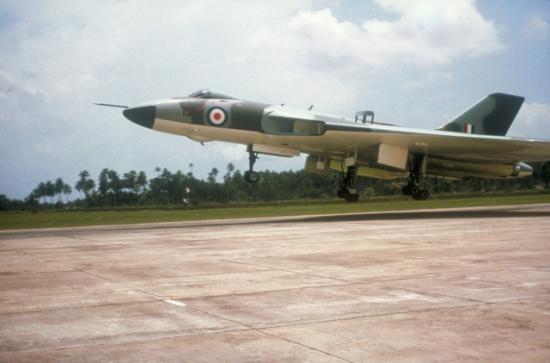
Western commentators who rush to condemn Putin’s nuclear madness would do well to remember Western nuclear madness of the past, argues Milan Rai.
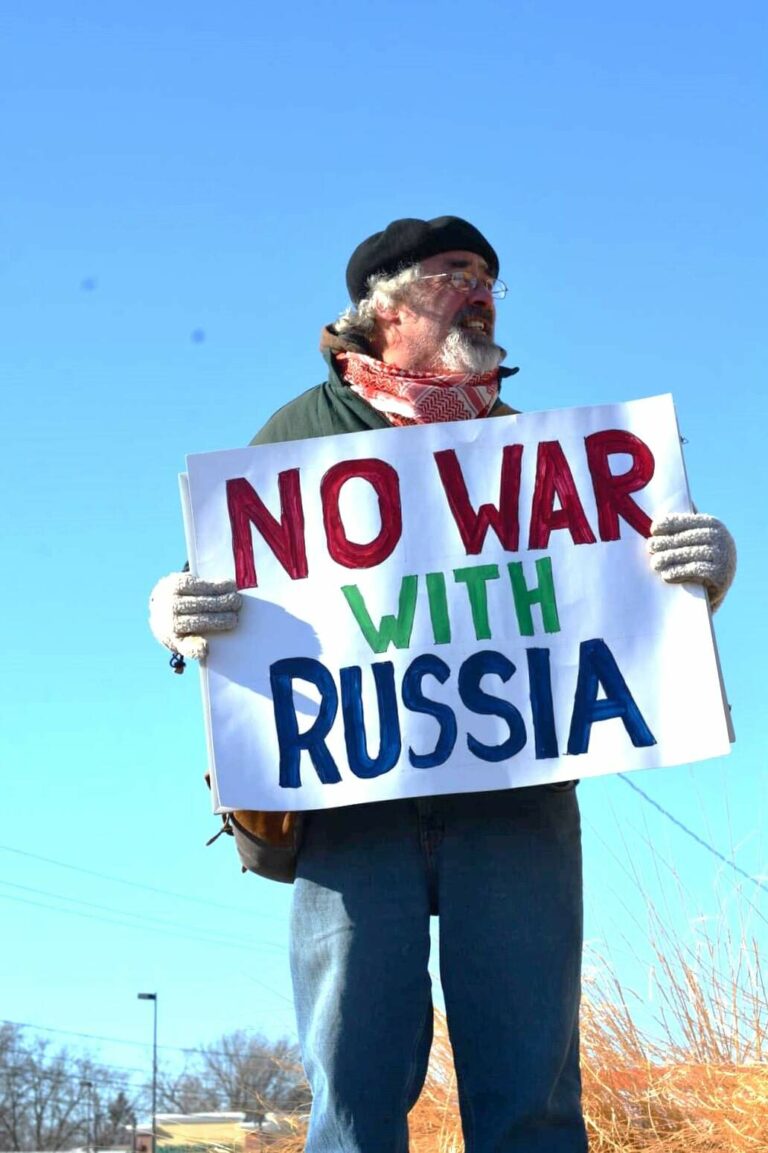
In April 1941, four years before he was to become President and eight months before the United States entered World War II, Senator Harry Truman of Missouri reacted to the news that Germany had invaded the Soviet Union: “If we see that Germany is winning the war, we ought to help Russia; and if that Russia is winning, we ought to help Germany, and in that way let them kill as many as possible.”

This debate was held online on February 23, 2022, and was co-sponsored by World BEYOND War Central Florida and Veterans For Peace Chapter 136 The Villages, FL. The debaters were:

Militarization of security undermines peacebuilding effectiveness. The peacebuilding community can build on principles of local agency and unarmed civilian protection to challenge the largely uncontested security discourse.