
We Need to Talk about How to End War for Good
I recently asked my first-year humanities classes: Will war ever end?


I recently asked my first-year humanities classes: Will war ever end?
The worst problem is a phony one. That is to say, numerous parties are using the cause of prosecuting Vladimir Putin for “war crimes” as yet another excuse to avoid ending the war.
These lessons are popular, logical — even unquestionable truth in many minds — and catastrophically and demonstrably wrong.
There is dominant propaganda that seems to suggest war can be conducted according to a set of acceptable, standardized, and abstract rules. It can’t.

This week on Talk World Radio we’re discussing the use of nonviolent activism in Western Sahara.
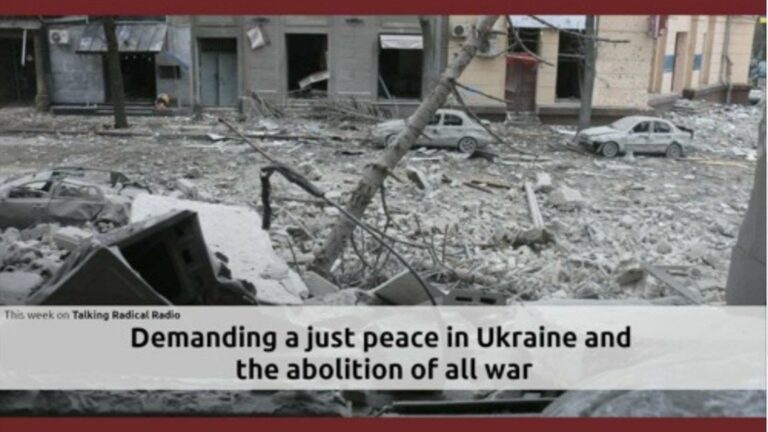
The Russian invasion of Ukraine has horrified people around the world and has, quite rightly, been widely condemned. But in the inevitably polarized and propaganda-laden wartime media environment, it has been remarkably difficult to go beyond that.
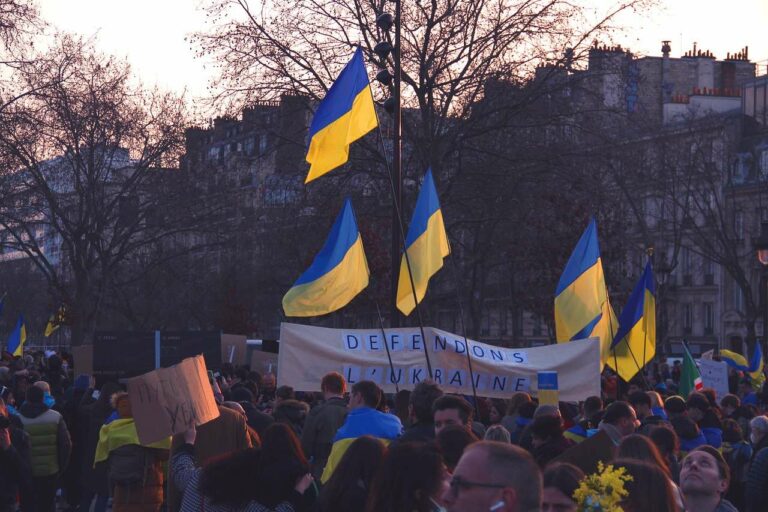
Russian forces agreed to leave town of Slavutych if those with arms handed them over to the mayor.
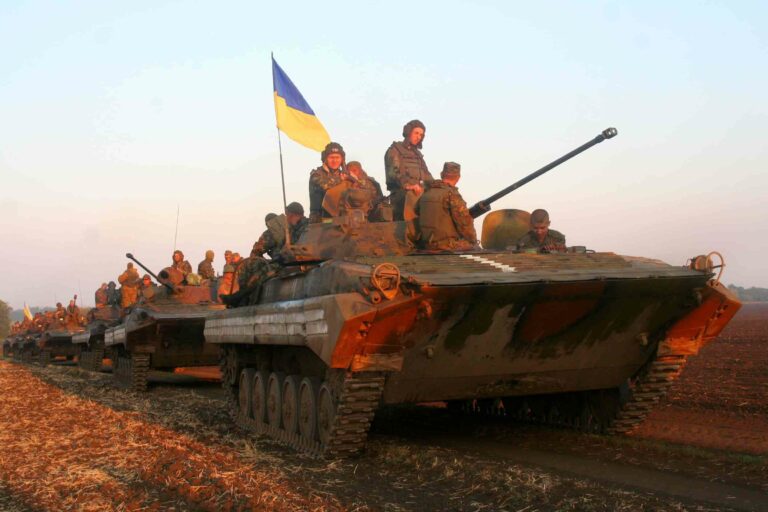
Russia’s war in Ukraine — like the USA’s wars in Afghanistan and Iraq — should be understood as barbaric mass slaughter. For all their mutual hostility, the Kremlin and the White House are willing to rely on similar precepts: Might makes right.
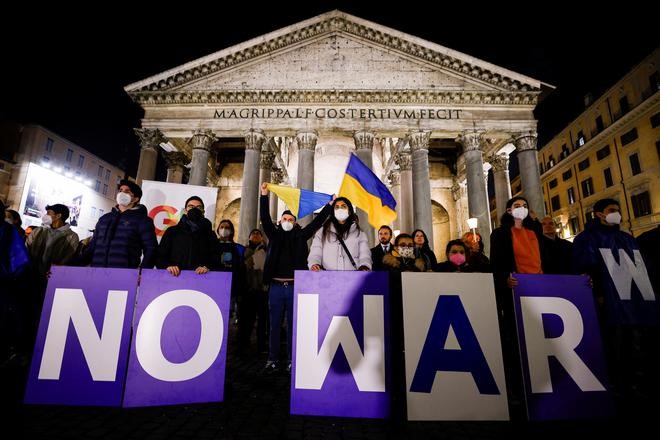
The belief in the justice and glory of past wars is absolutely critical to the acceptance of current wars, such as the Ukraine war. And the gargantuan price tags of wars is highly relevant to imagining creative alternatives to escalating a war that’s placed us closer to nuclear apocalypse than ever before.