Video of Webinar: The Russia-Ukraine War and the Imperative of Organizing for Peace
The latest from peace activists about the current moment. How are we organizing to end the war between Ukraine and Russia?


The latest from peace activists about the current moment. How are we organizing to end the war between Ukraine and Russia?
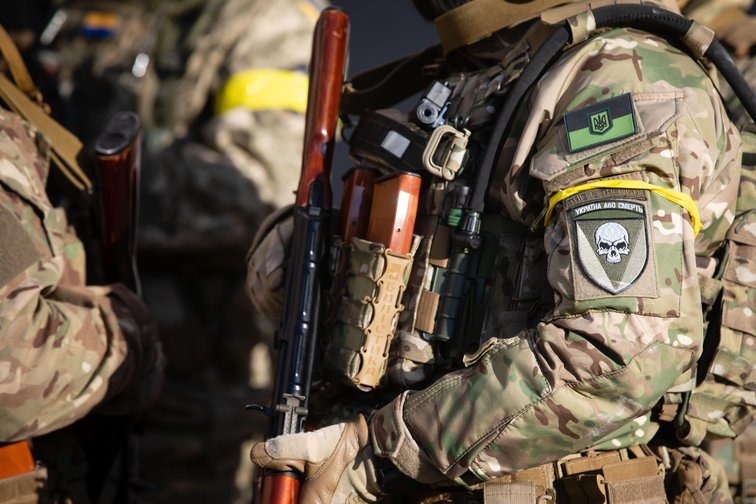
Weapons won’t bring stability – they will fuel further destruction and death. The EU must back diplomacy, demilitarisation and peace.
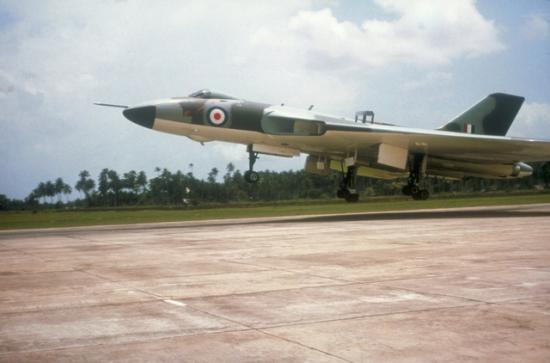
Western commentators who rush to condemn Putin’s nuclear madness would do well to remember Western nuclear madness of the past, argues Milan Rai.

The most important task of foreign and defence policy is to reduce threats to one’s own country in a way that creates security in all countries through diplomacy and cooperation on equal terms.
In this wide-ranging conversation, Malalai Joya takes us through the trauma that has engulfed her country from the Soviet invasion in 1979 to the rise of the first Taliban regime in 1996 through to the 2001 US-led invasion and the Taliban’s subsequent return in 2021.
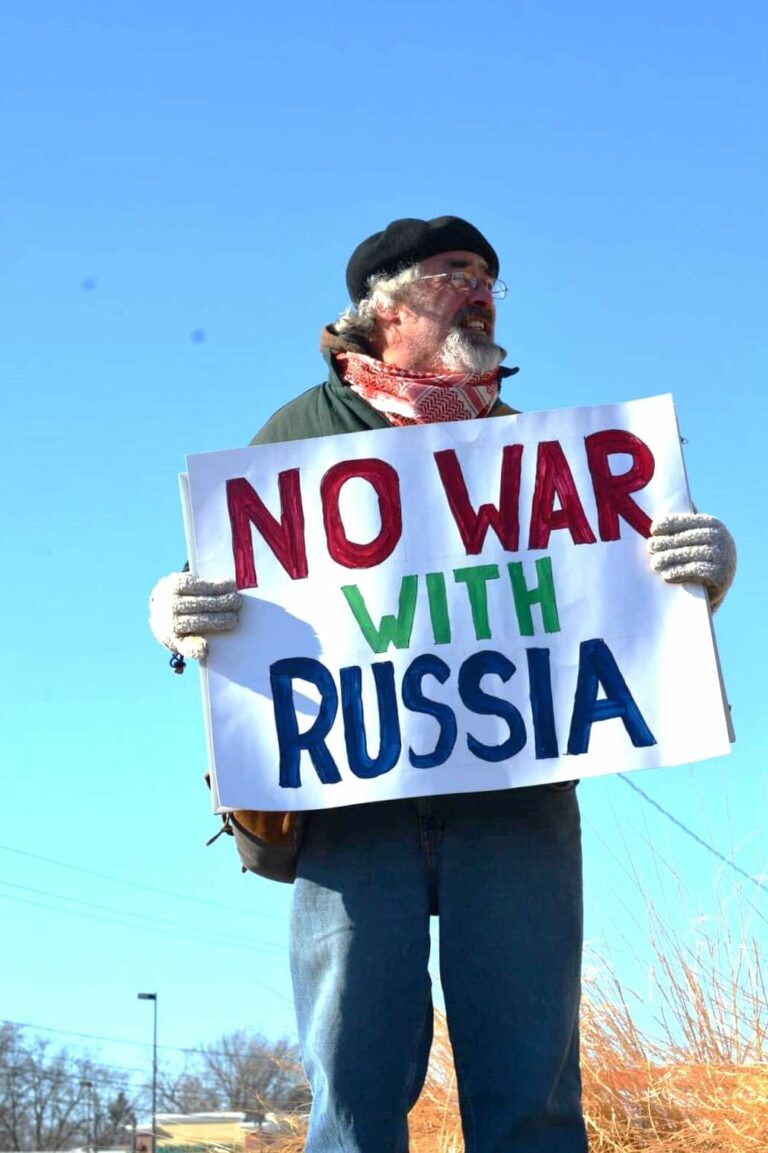
In April 1941, four years before he was to become President and eight months before the United States entered World War II, Senator Harry Truman of Missouri reacted to the news that Germany had invaded the Soviet Union: “If we see that Germany is winning the war, we ought to help Russia; and if that Russia is winning, we ought to help Germany, and in that way let them kill as many as possible.”
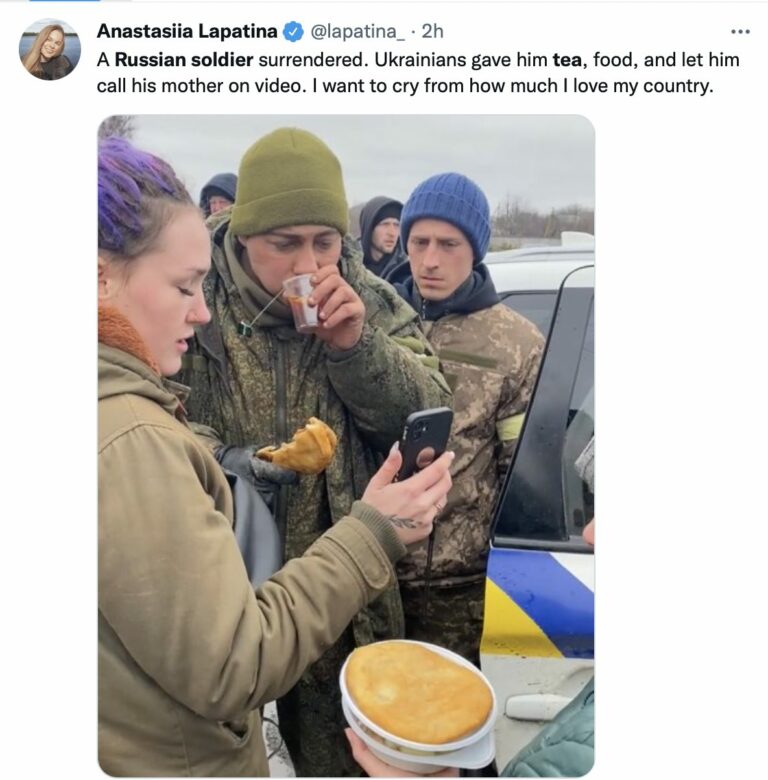
In his State of the Union address, U.S. President Joe Biden praised unarmed Ukrainians stopping tanks. He did not praise them enough. Nonviolent resistance to oppression, occupation, and invasion is more likely to succeed than violent; the successes tend to be longer lasting; and — added benefit — the chance of nuclear war is decreased rather than increased.
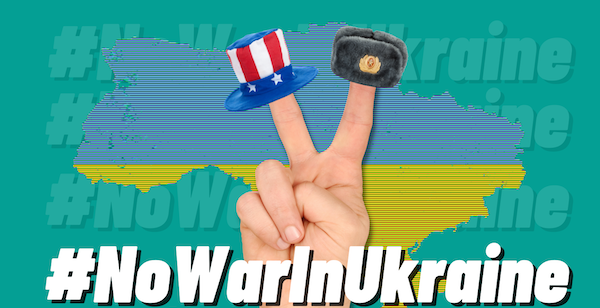

We go to Kyiv to speak with Yurii Sheliazhenko, executive secretary of the Ukrainian Pacifist Movement, who says “support of Ukraine in the West is mainly military support” and reports that his country “focuses on warfare and almost ignores nonviolent resistance to war.”