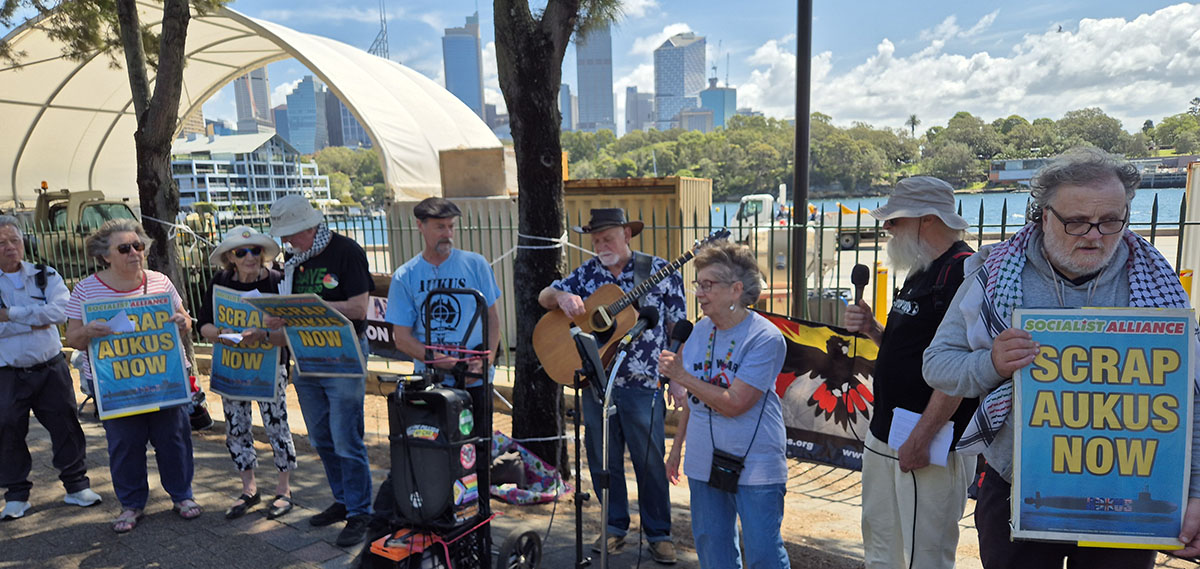
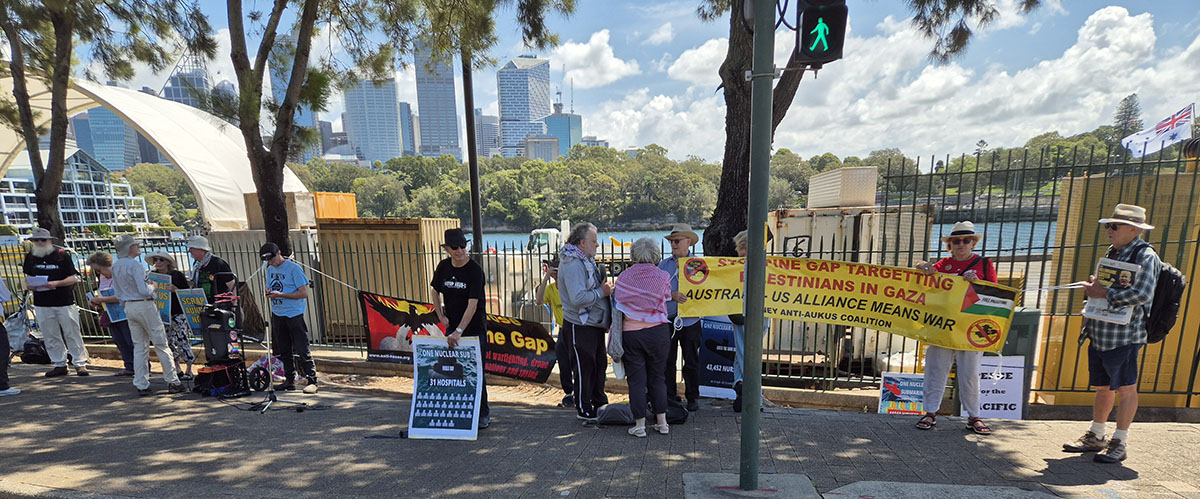
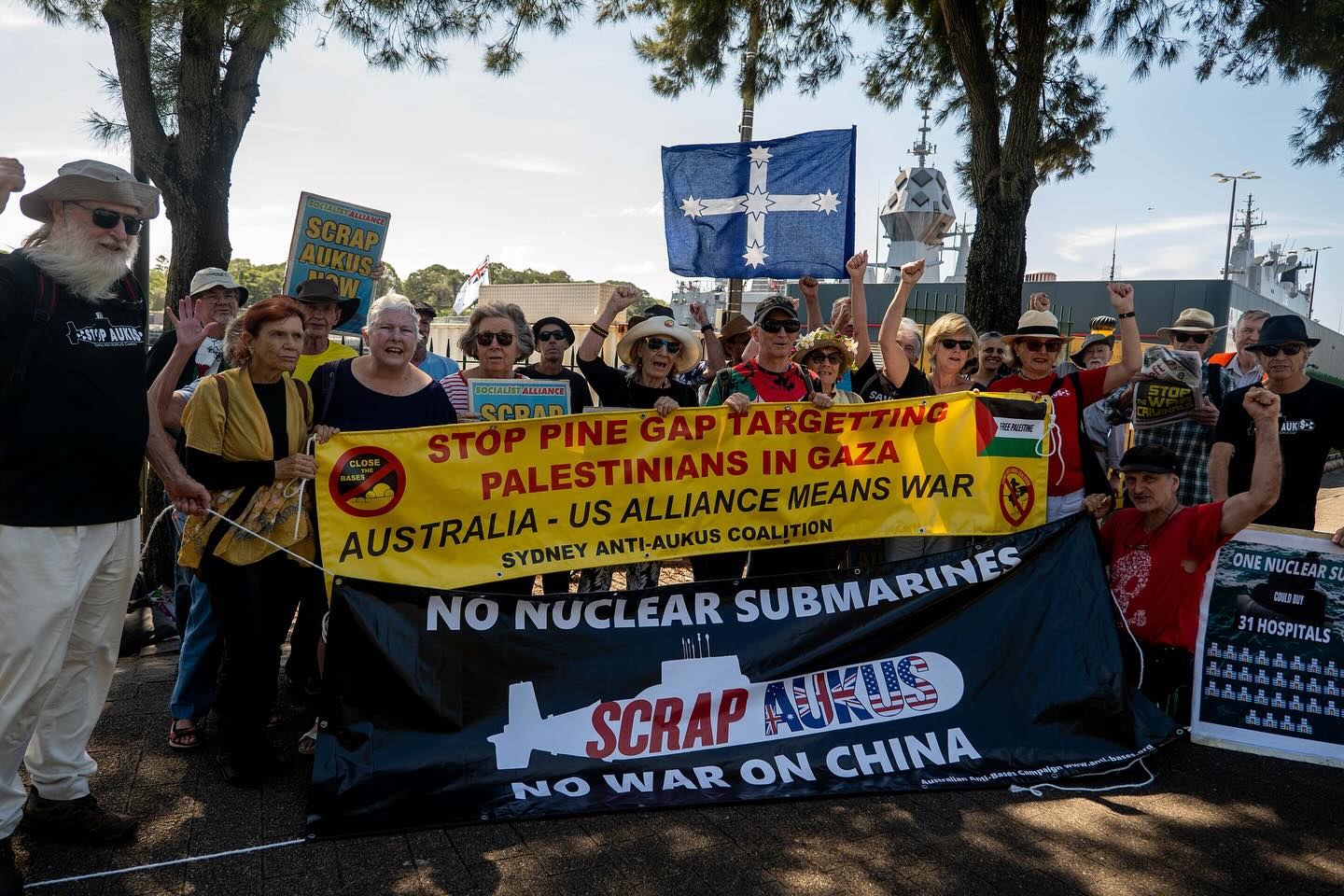
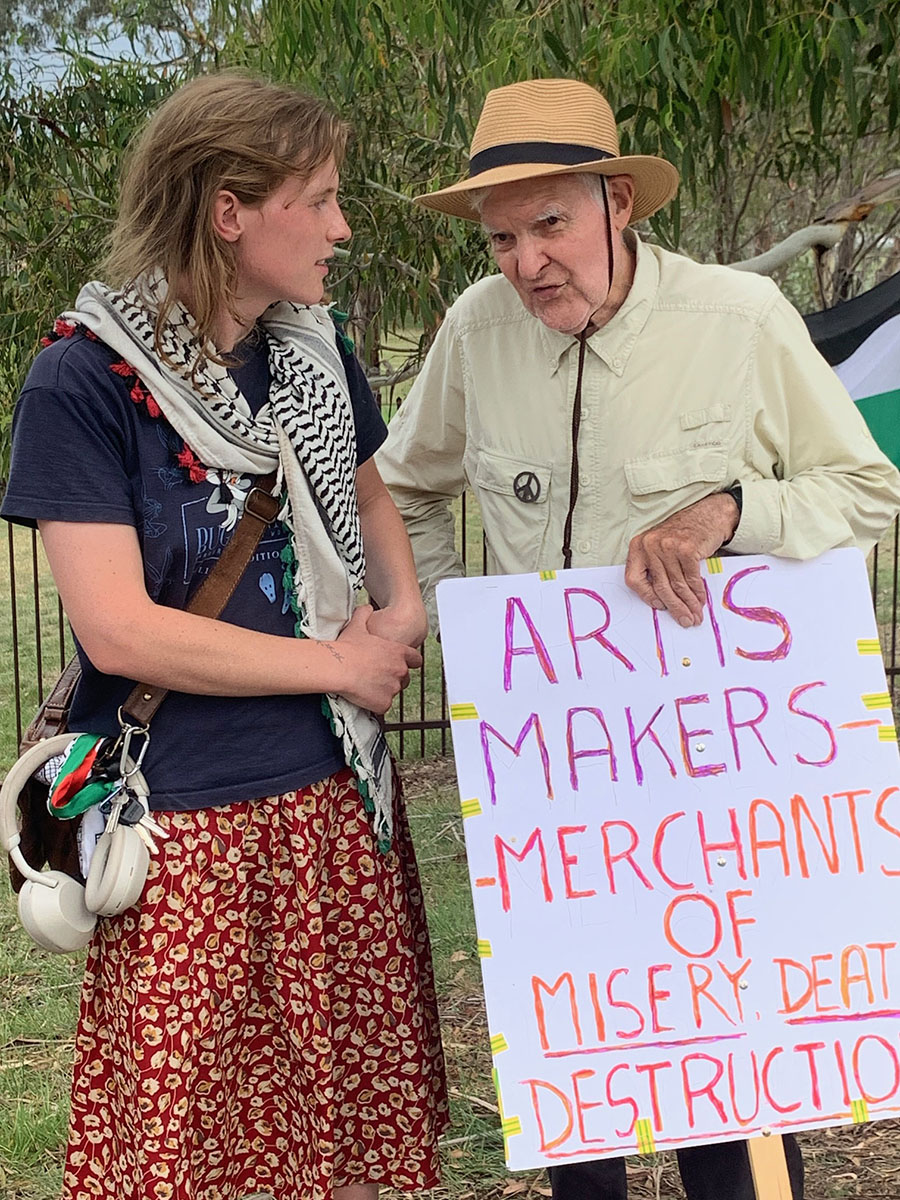
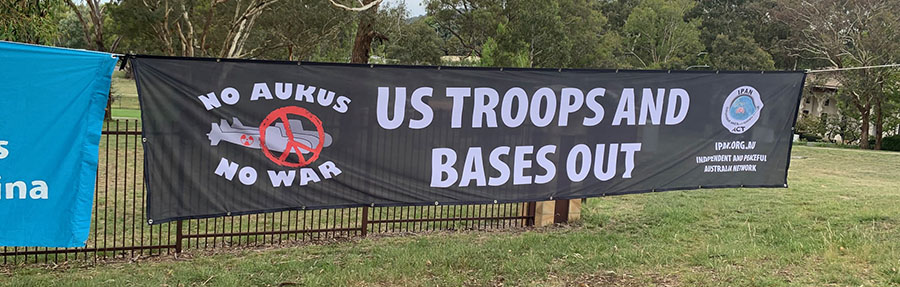
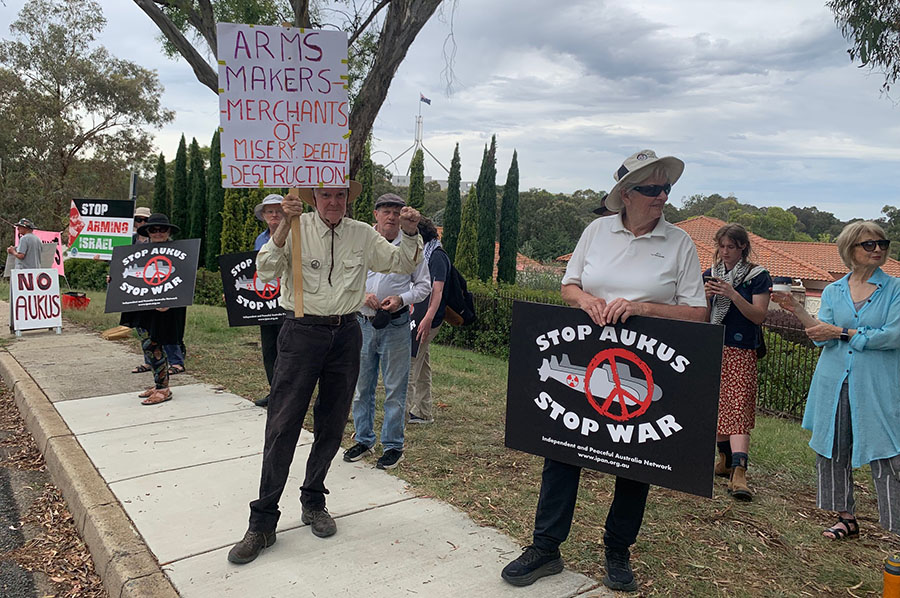
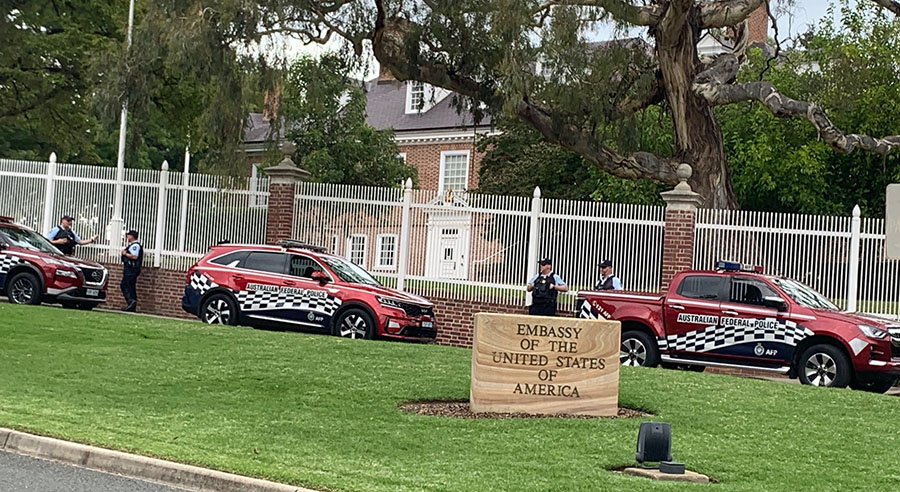
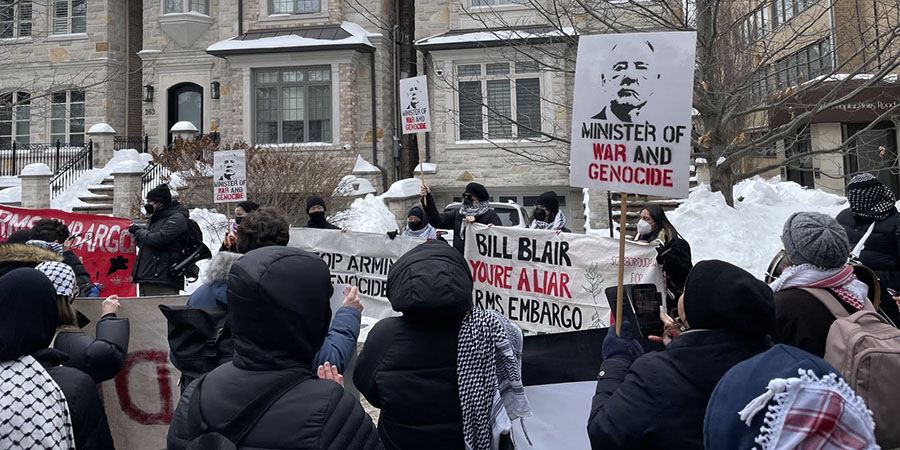
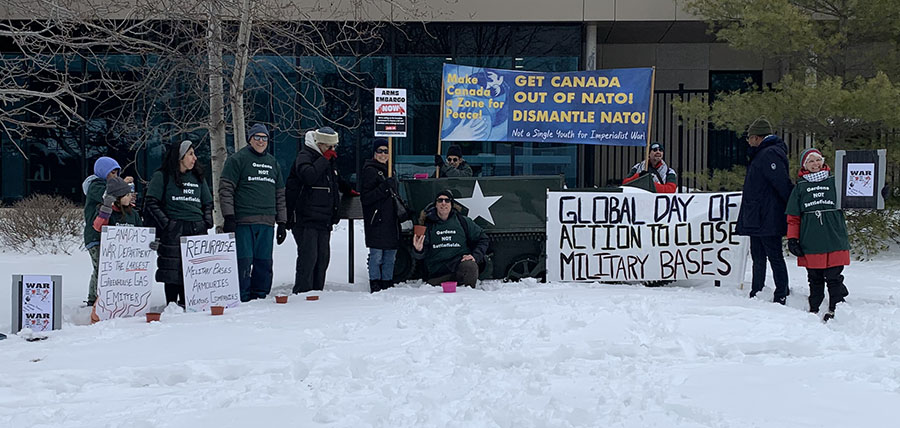
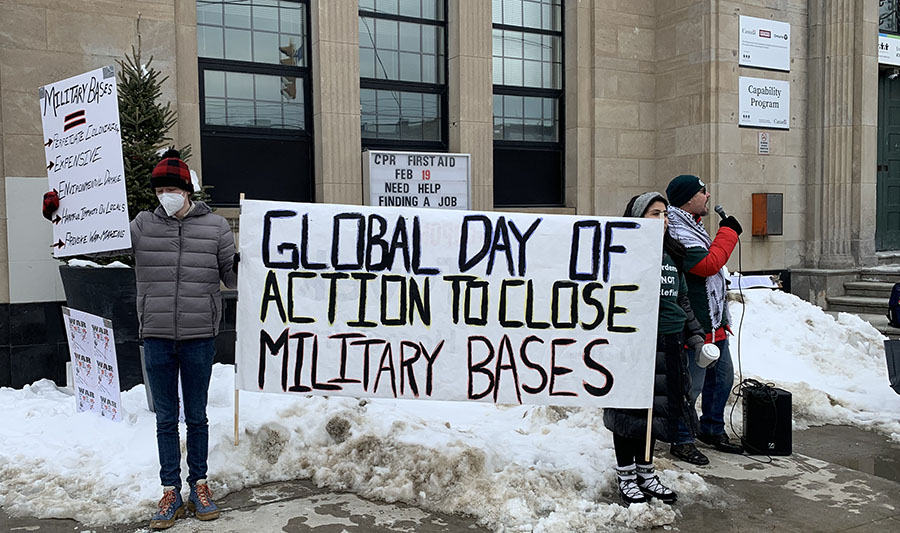
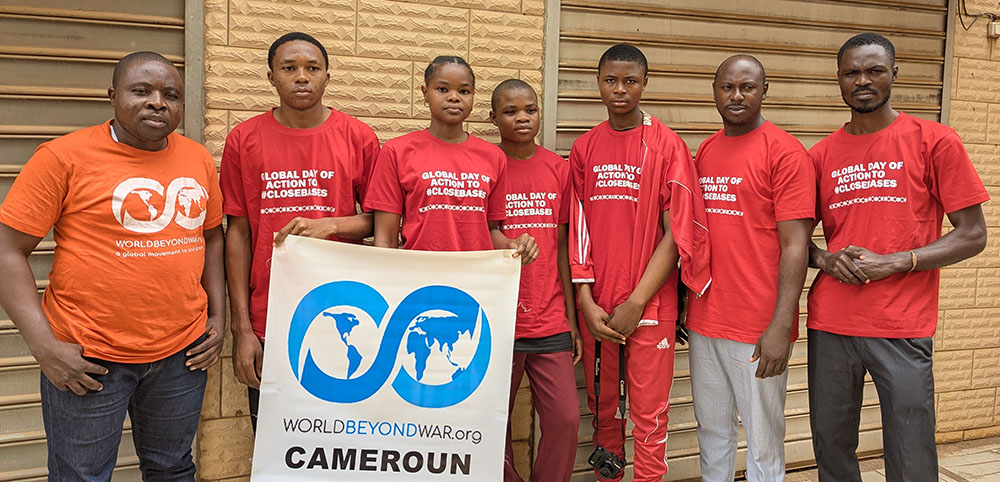
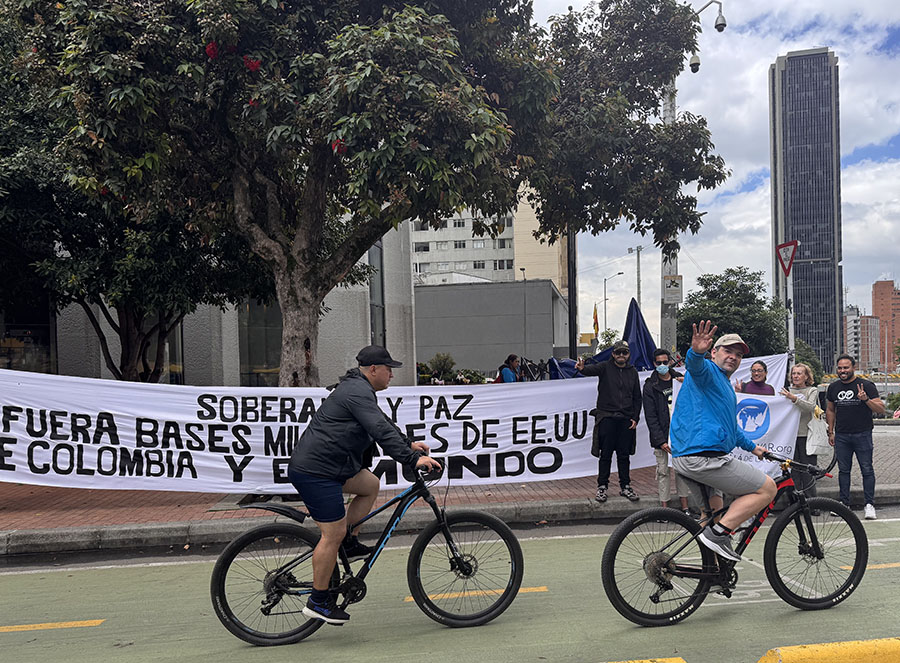
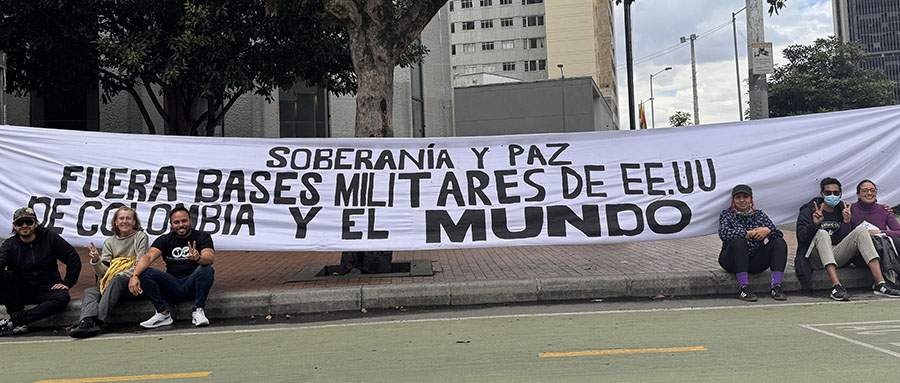
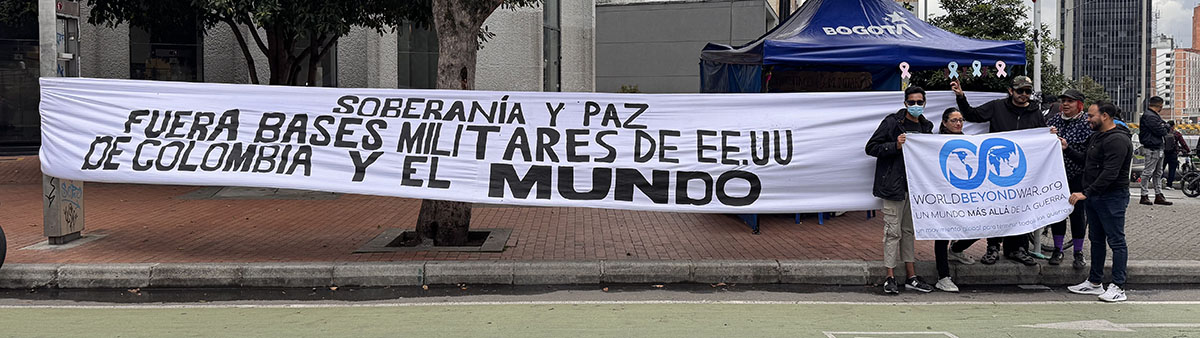
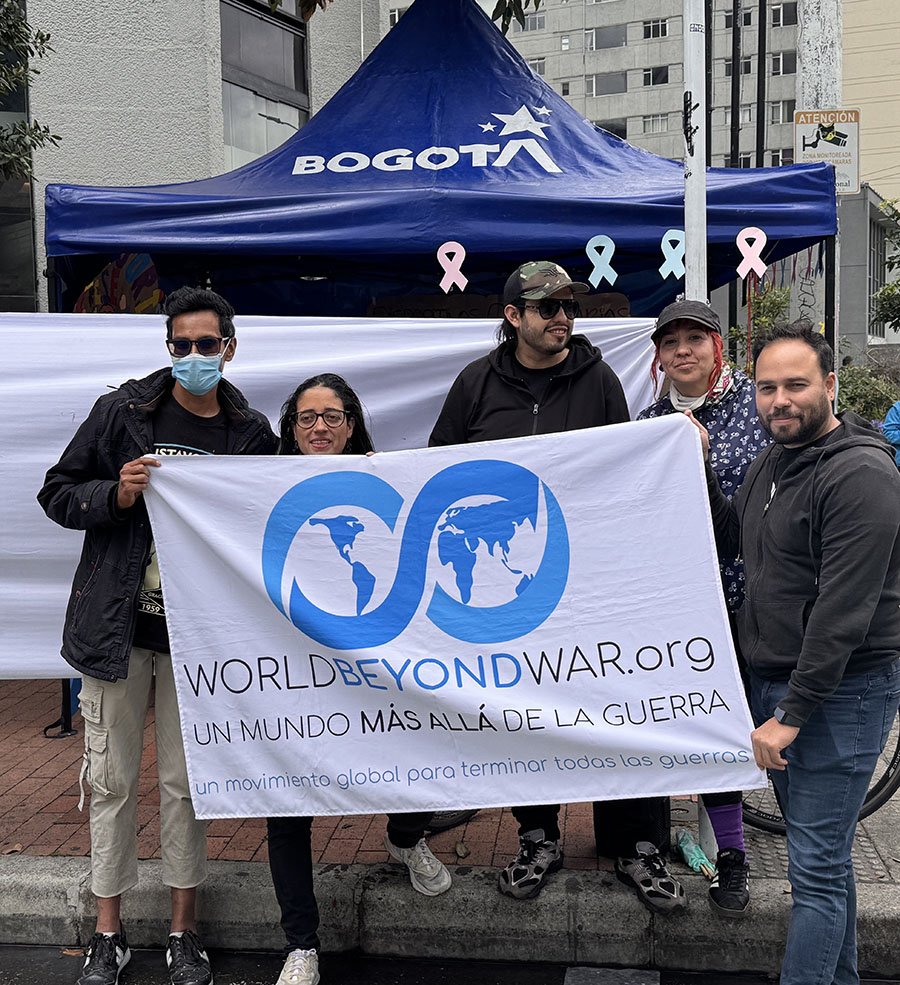
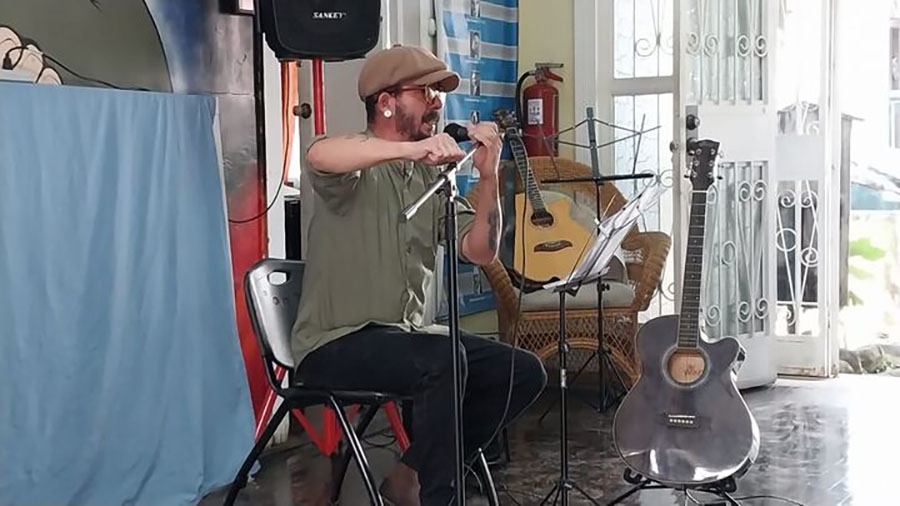
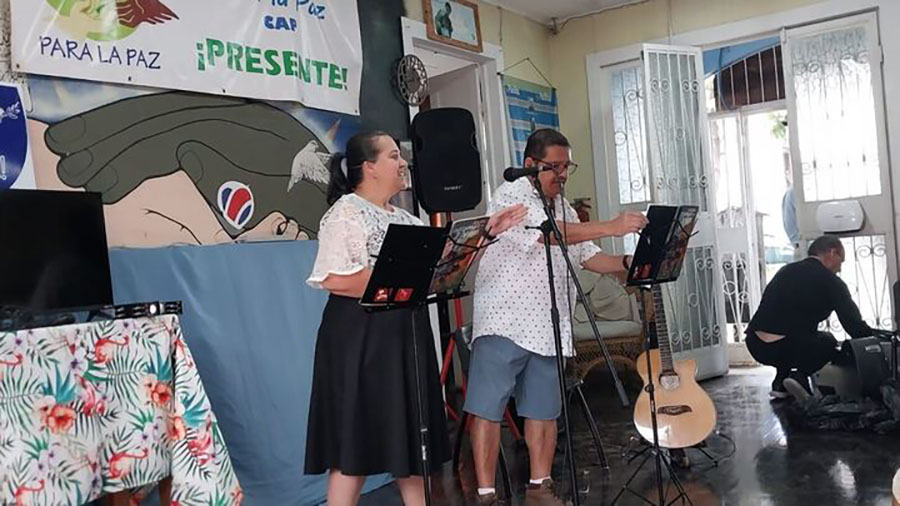
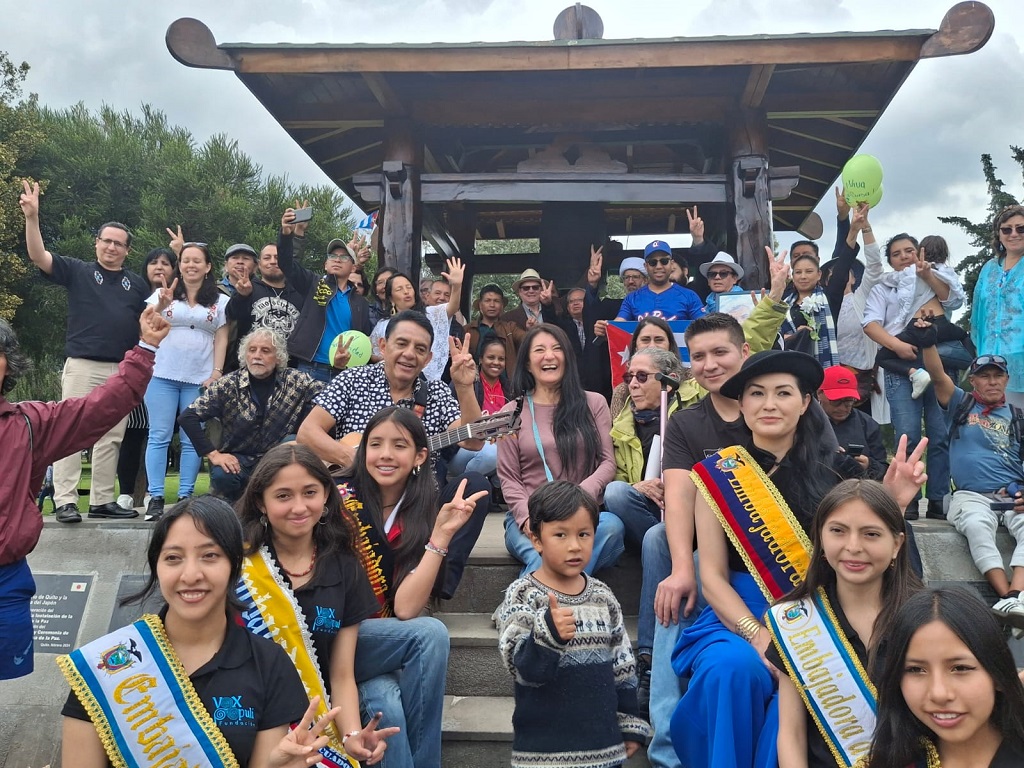
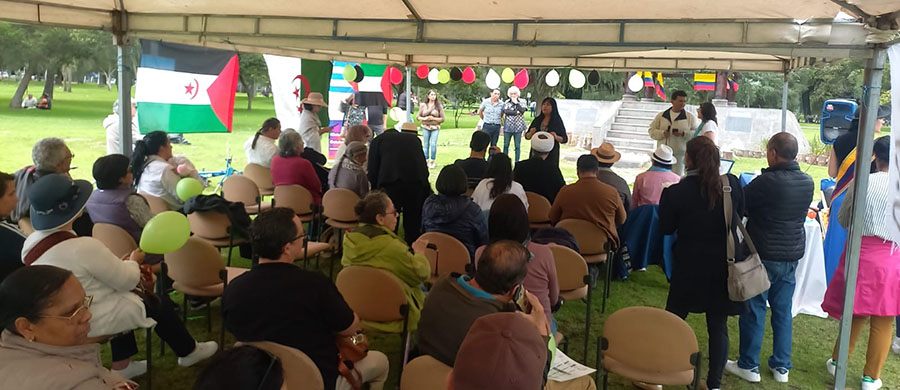
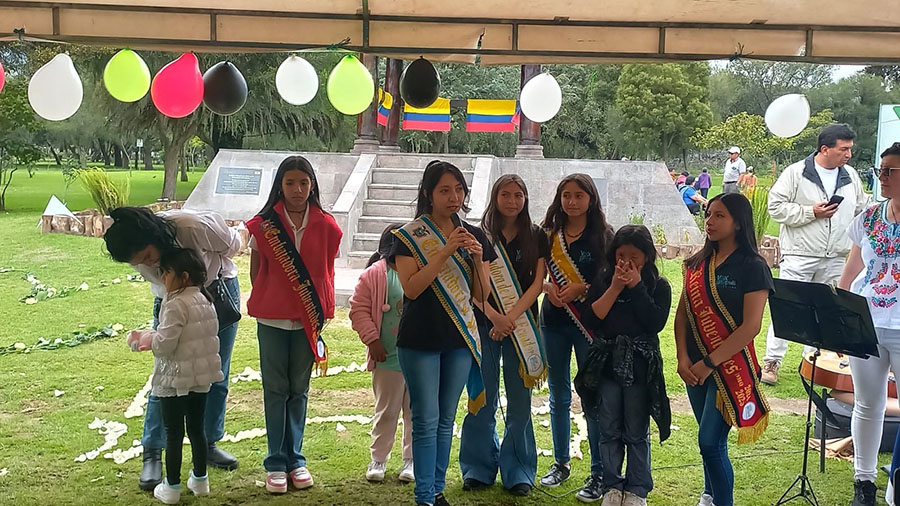
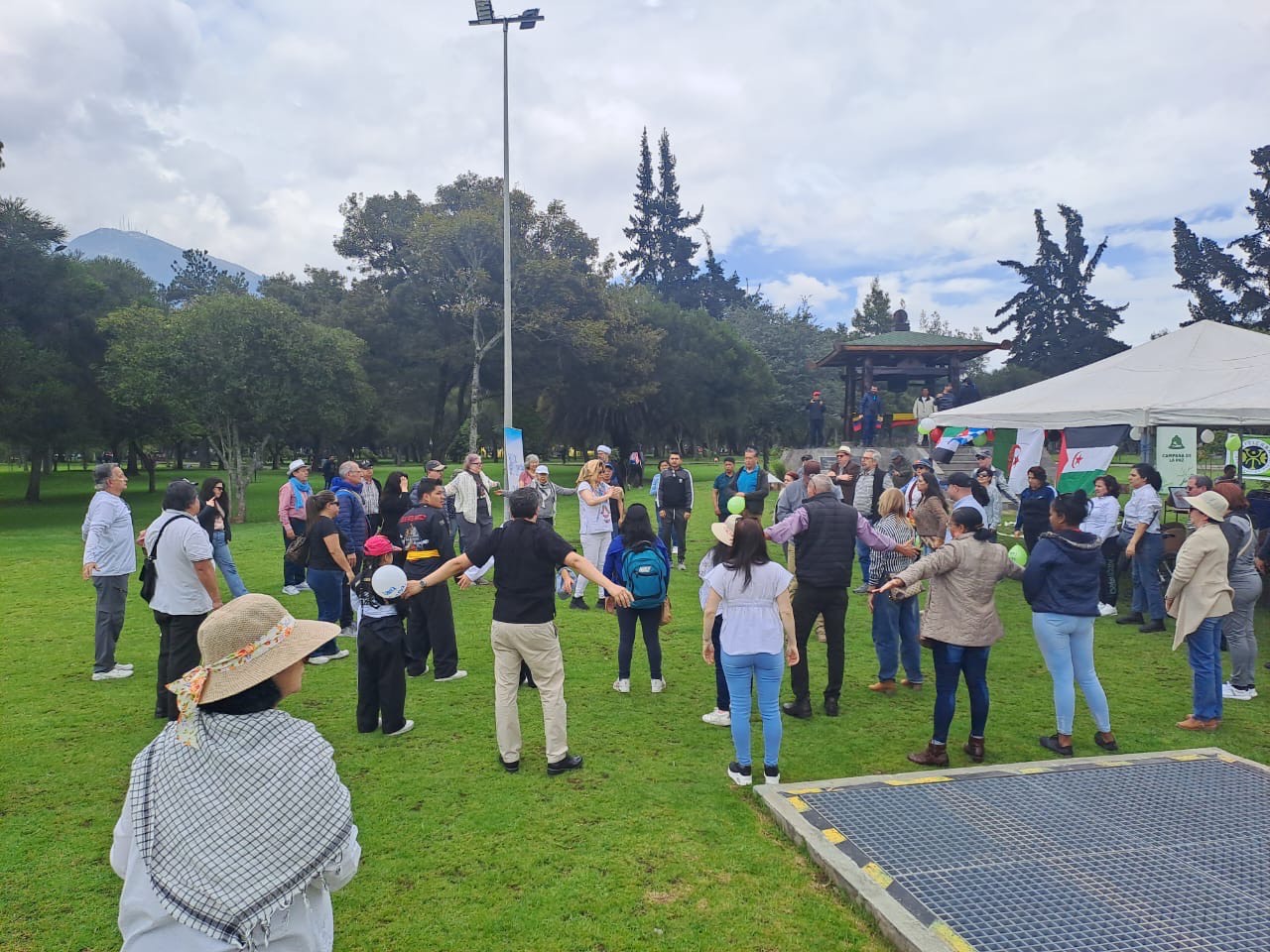
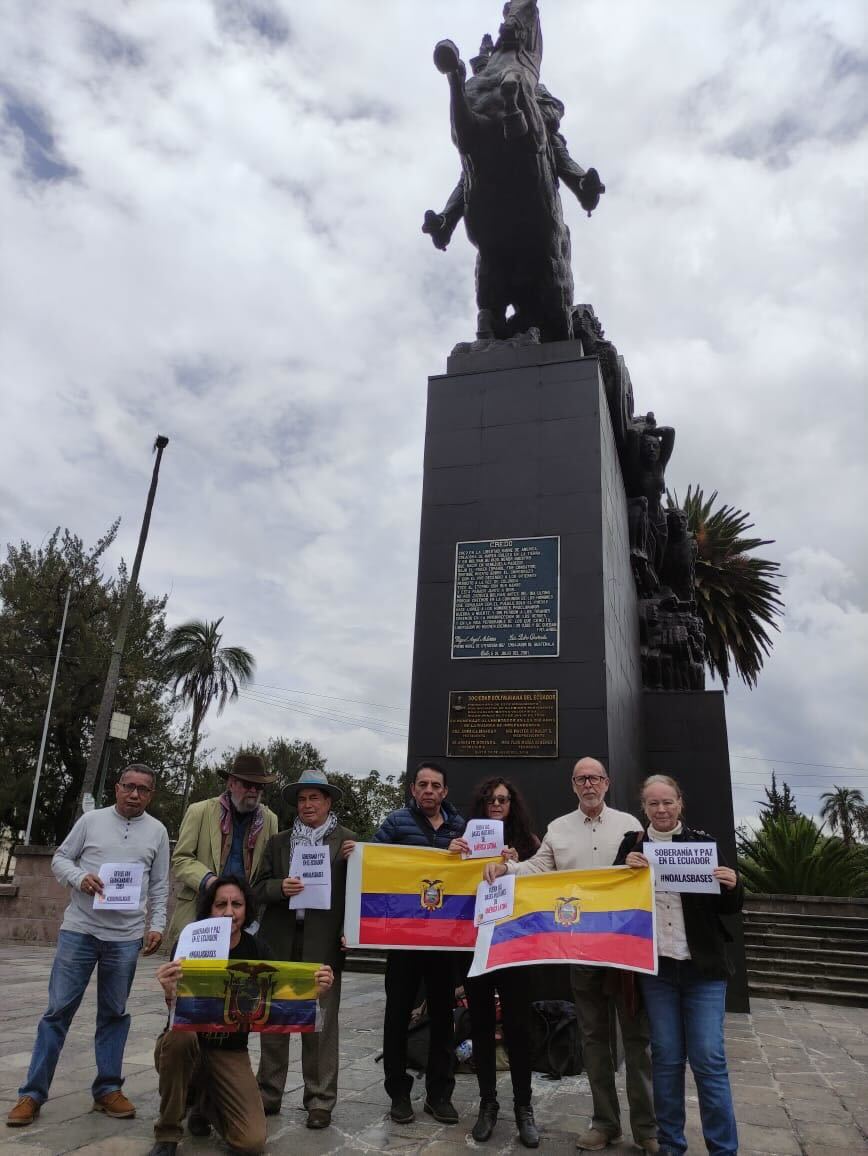
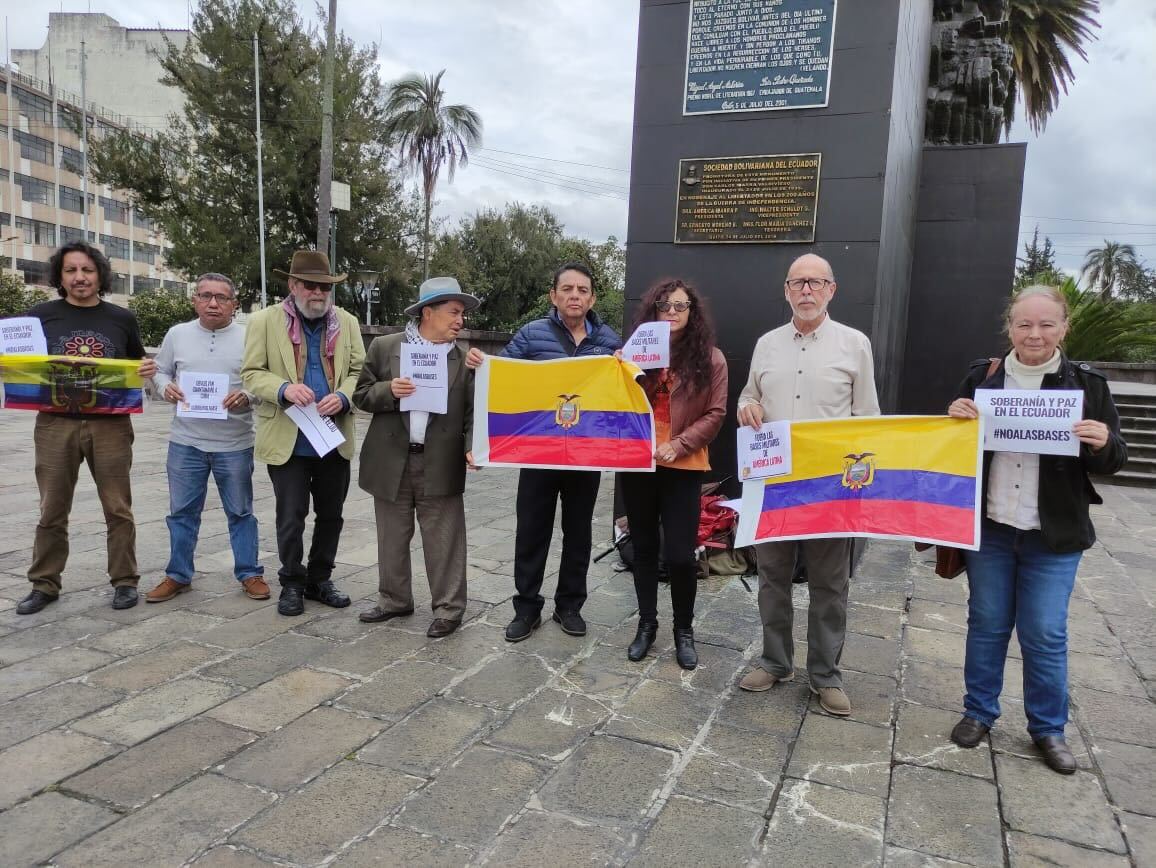
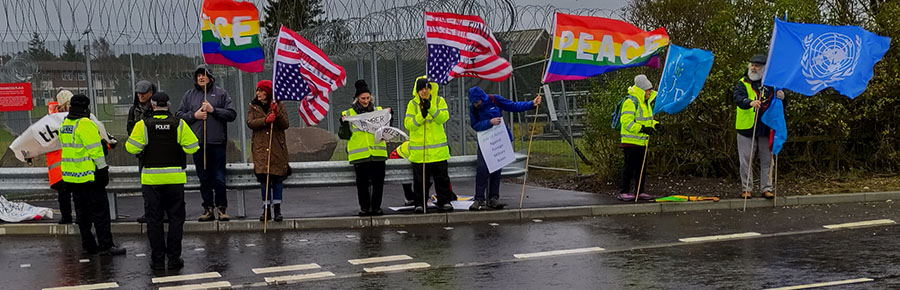
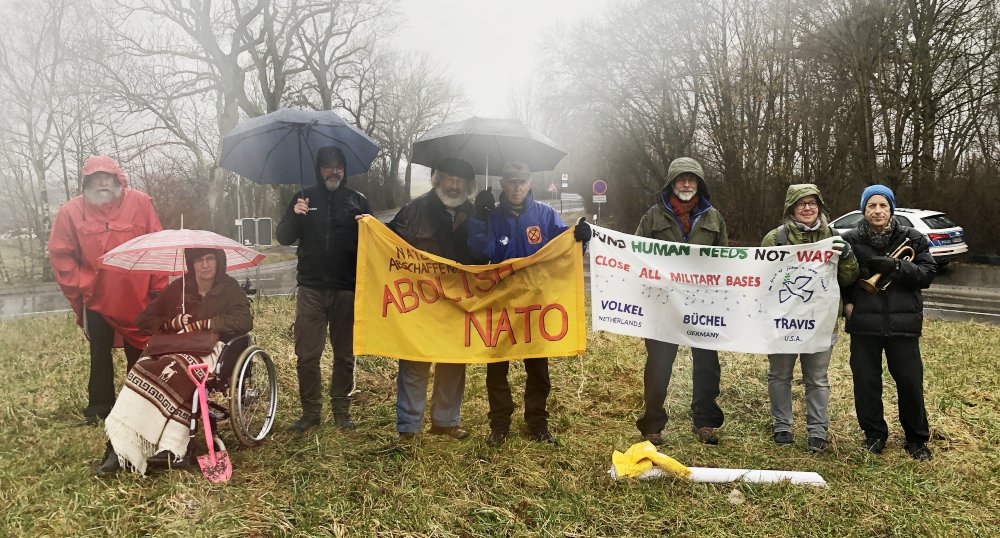
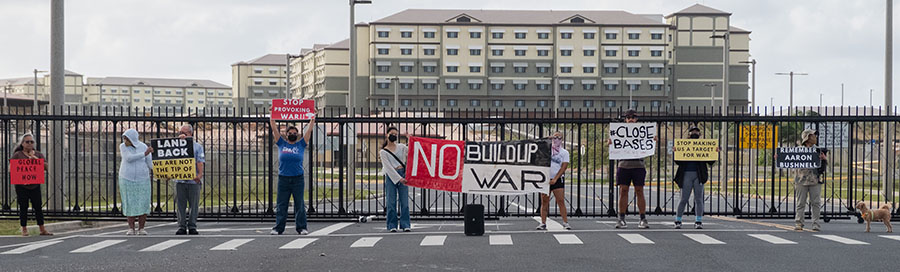
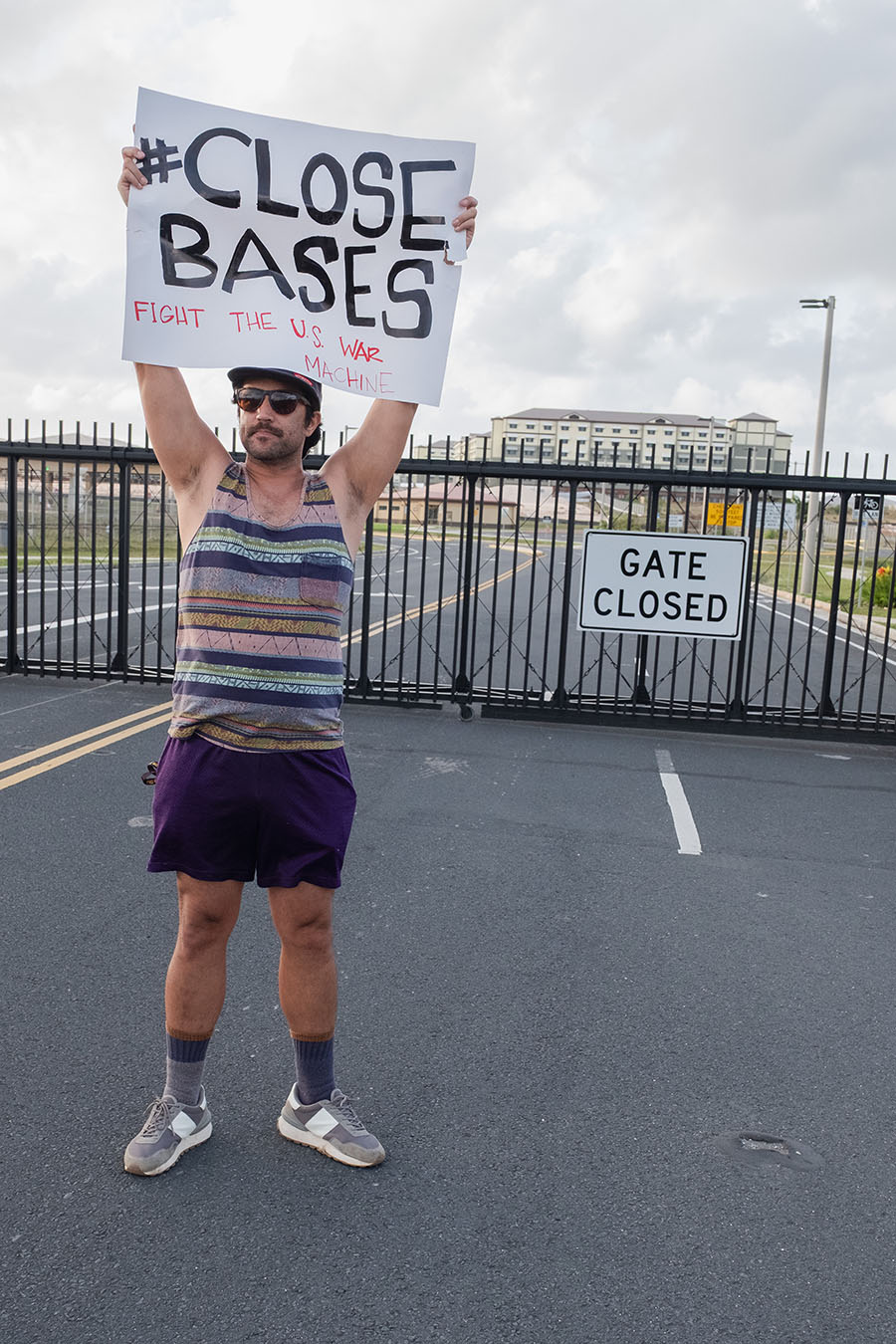
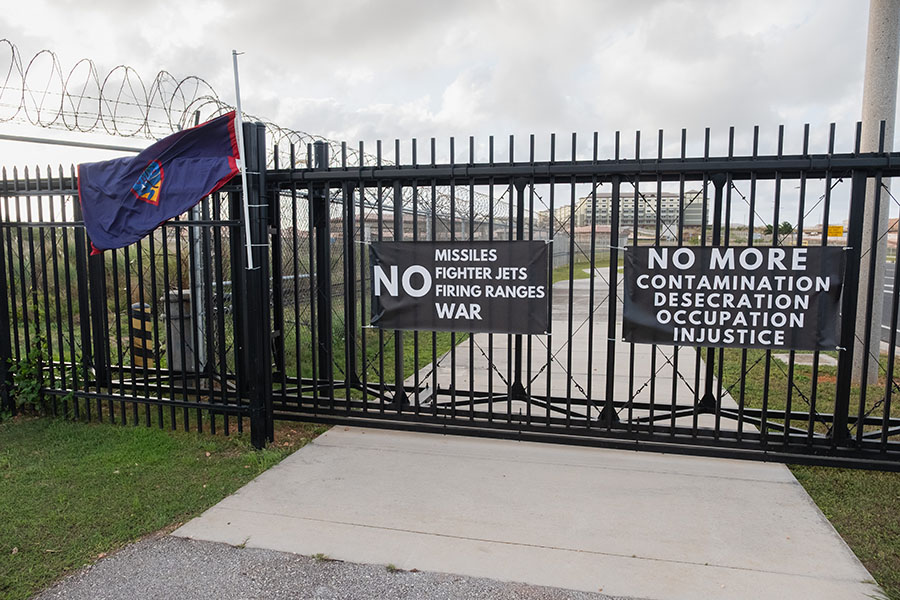
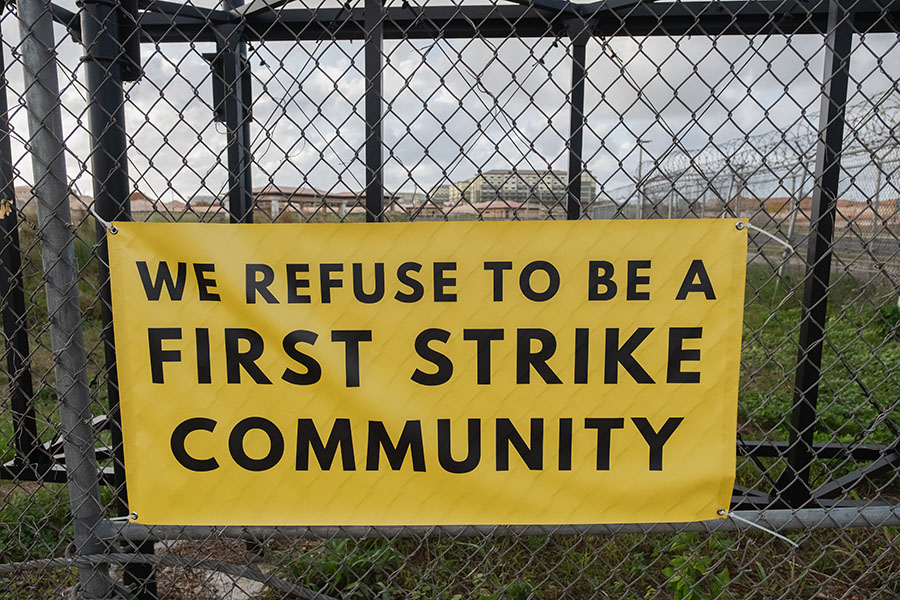
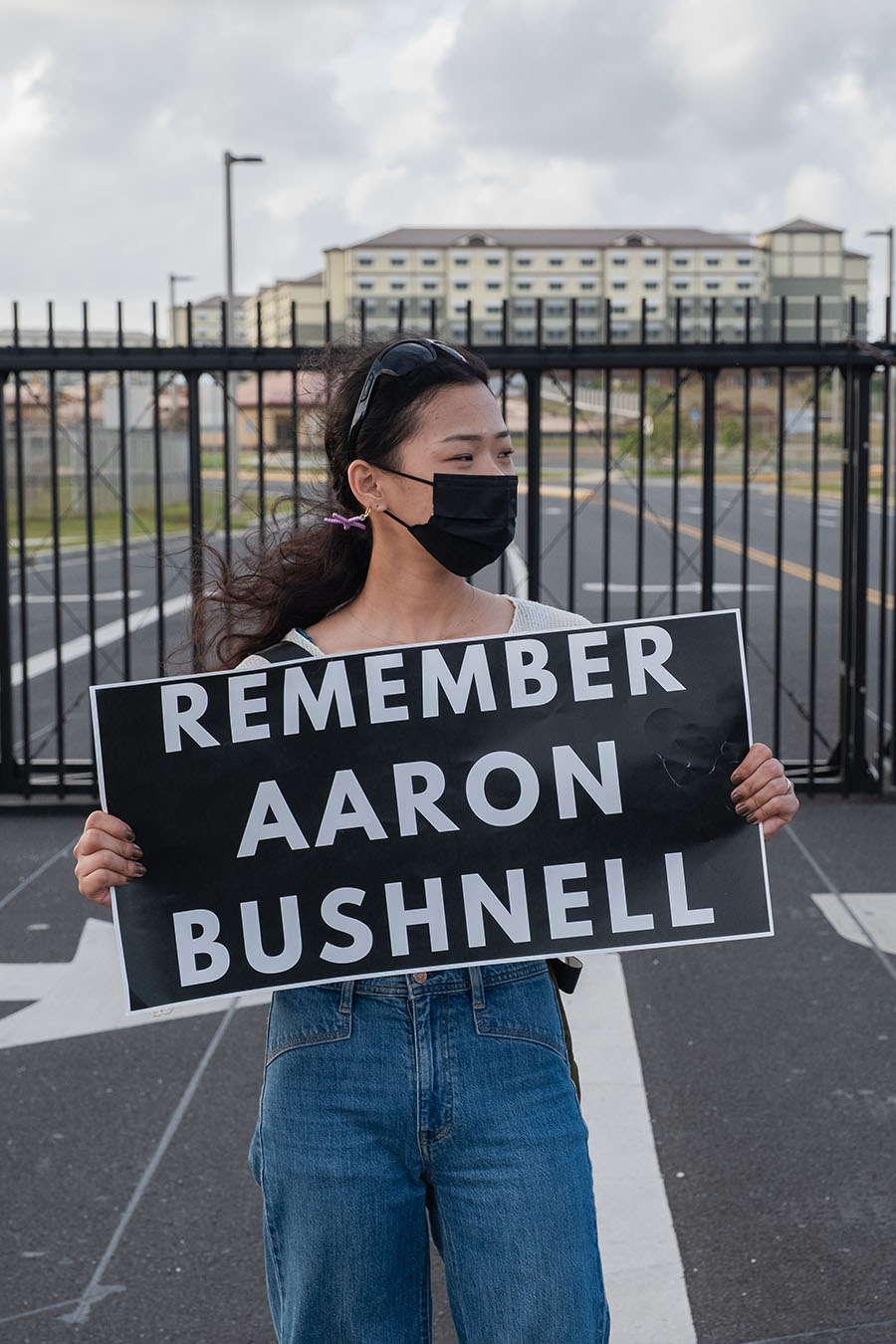
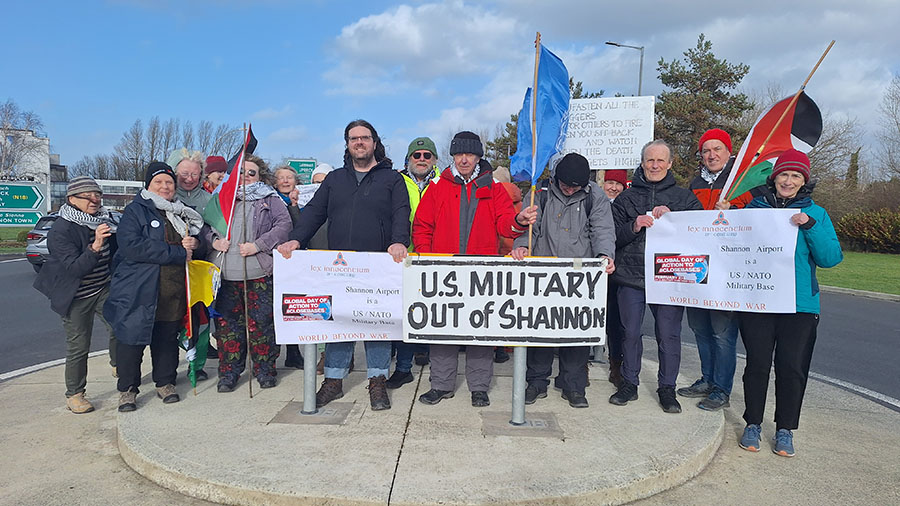
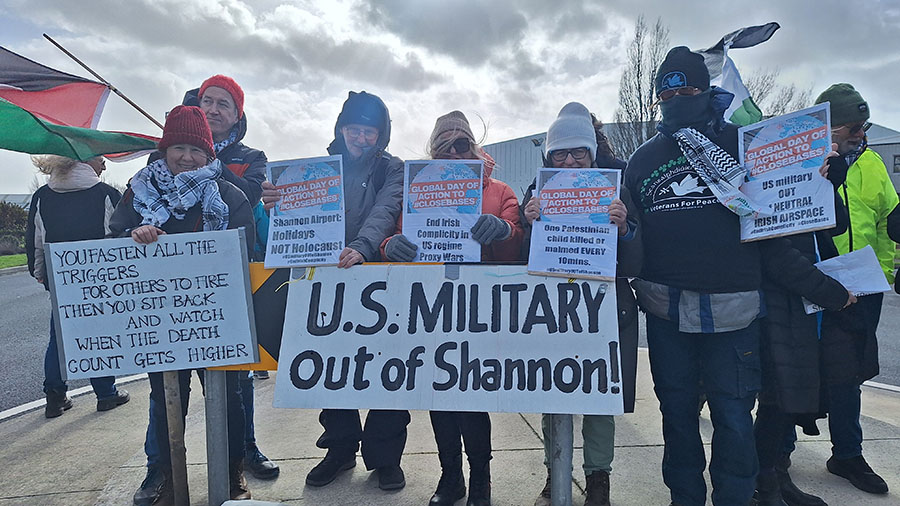
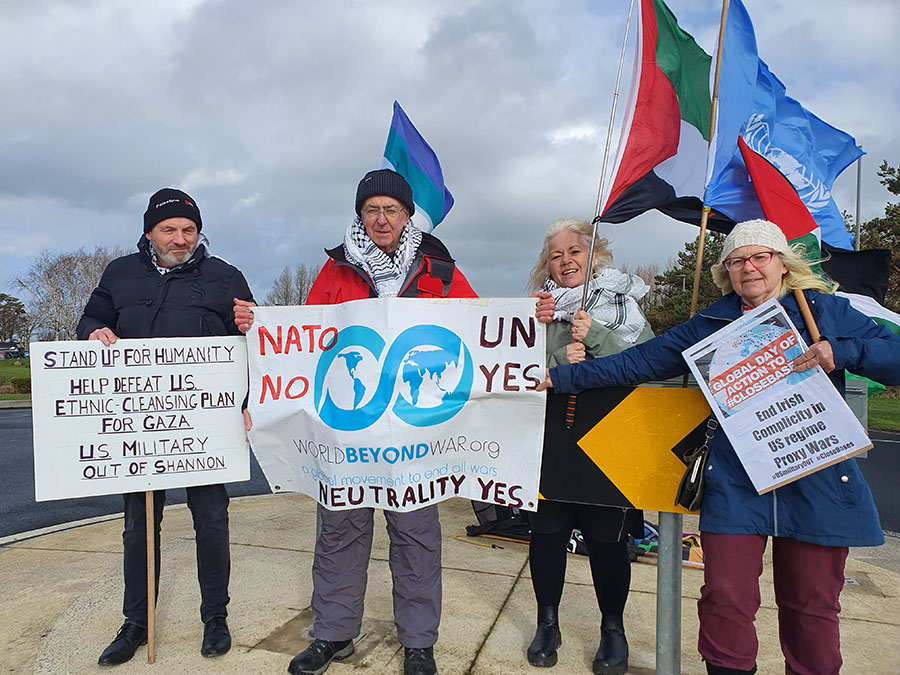
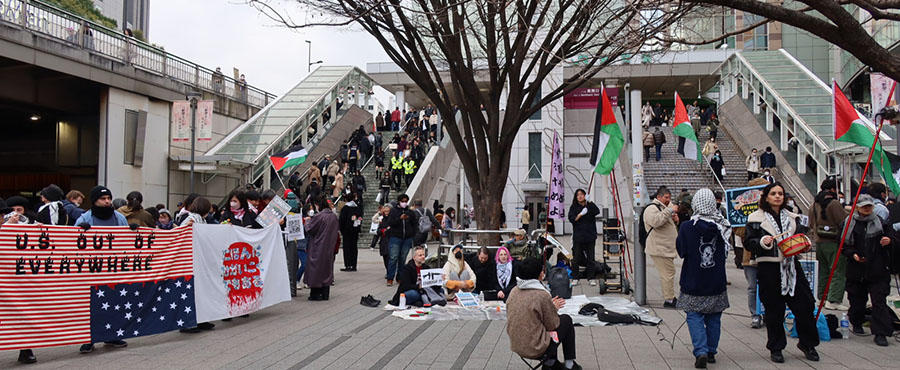
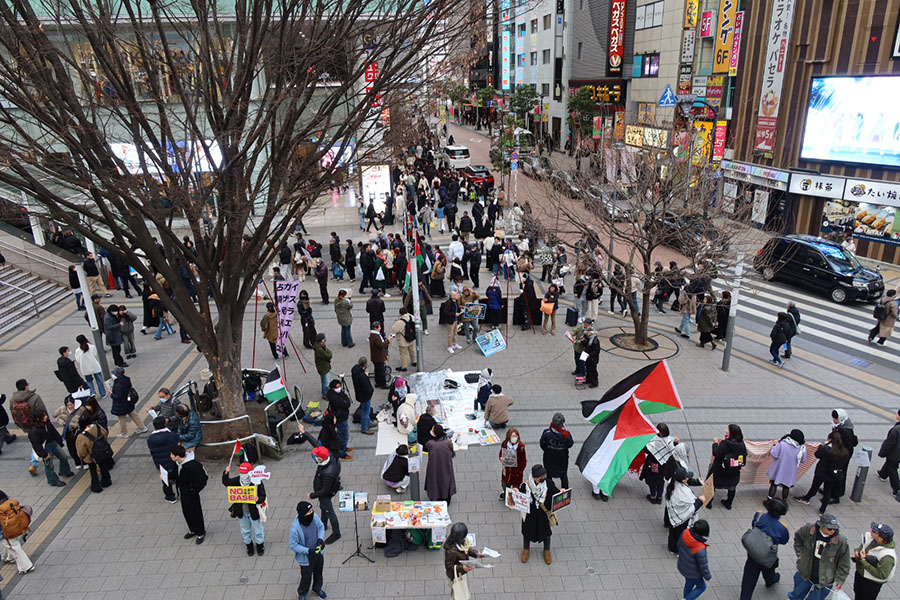
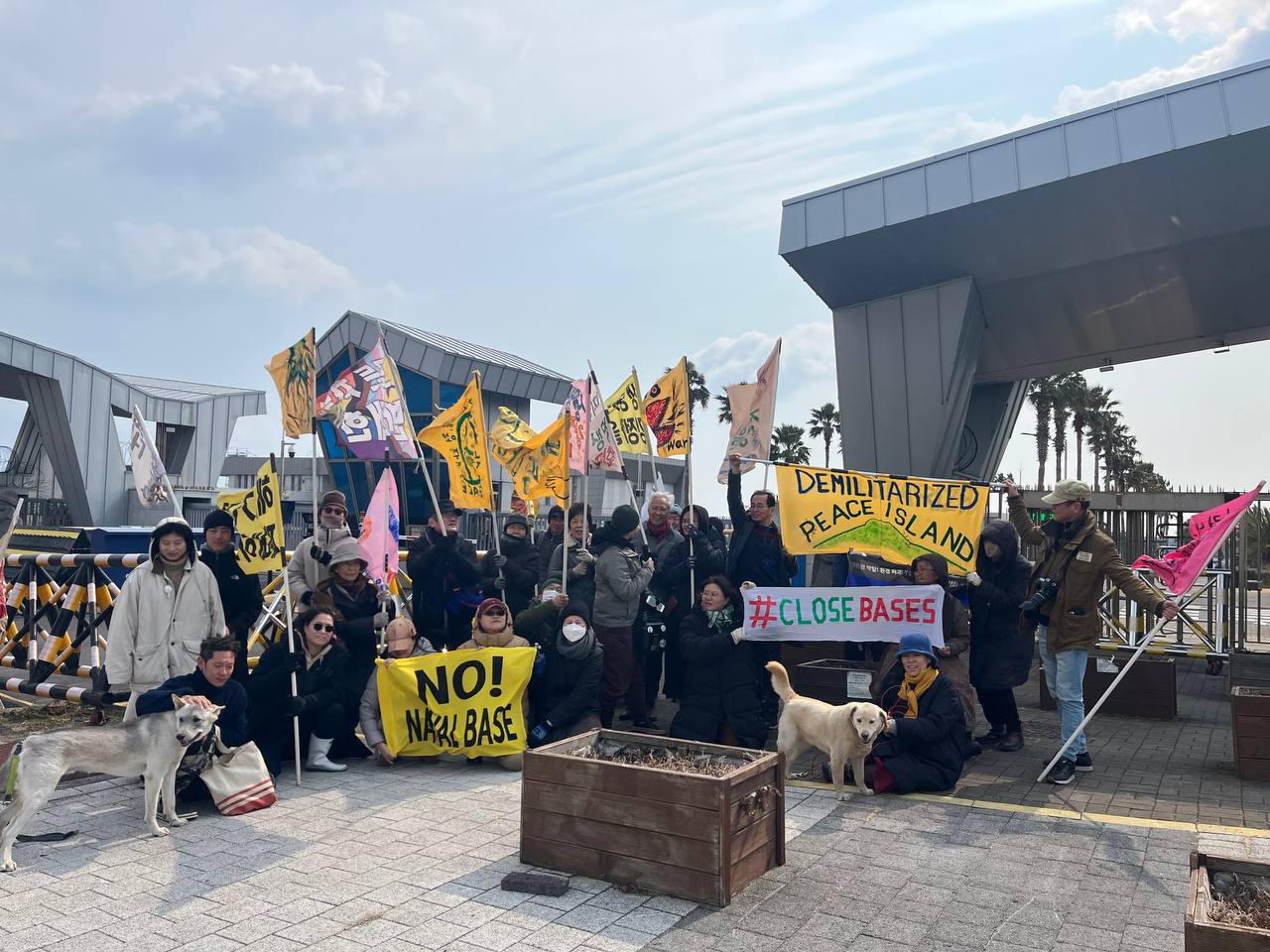
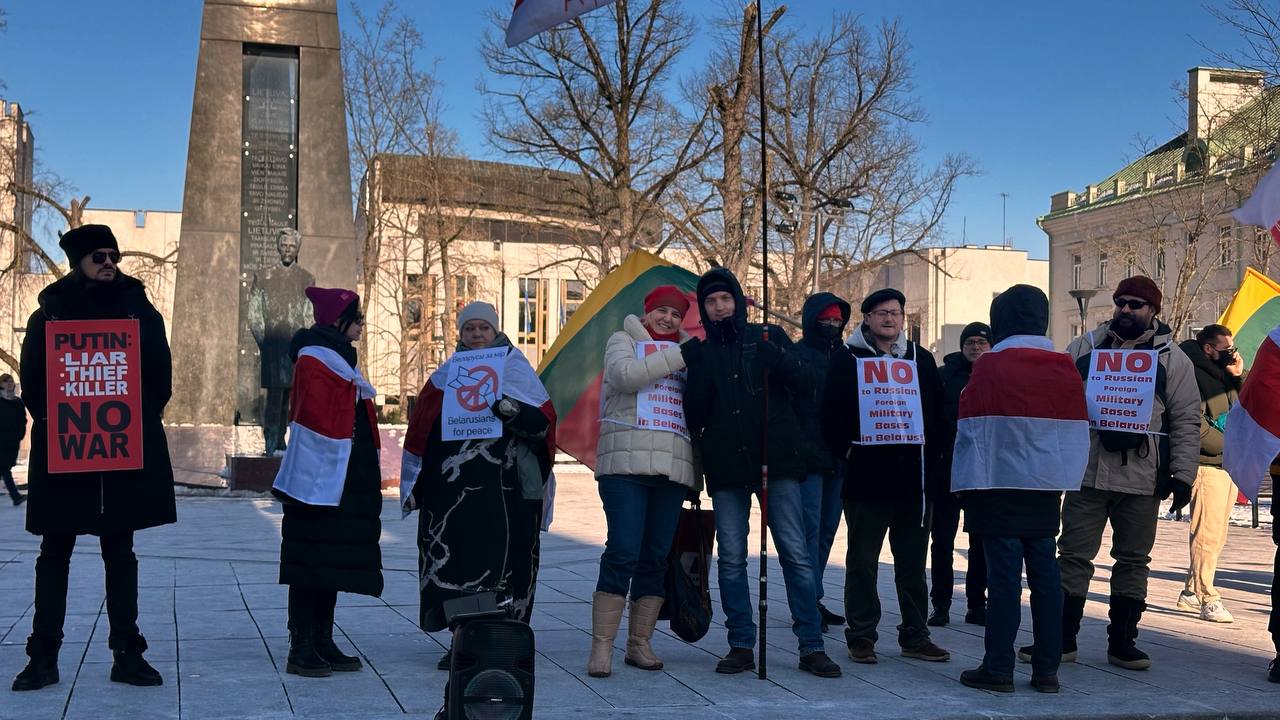
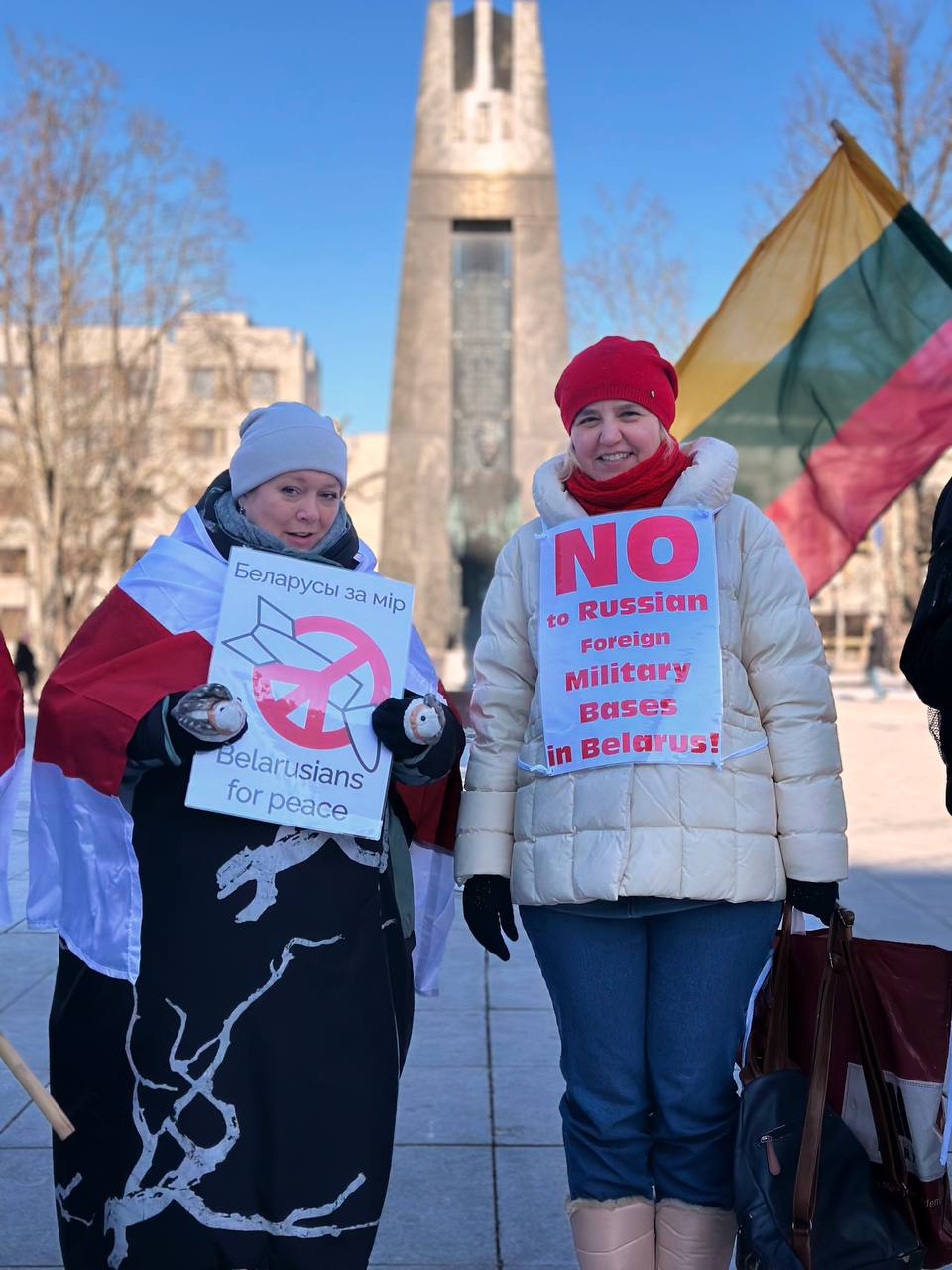
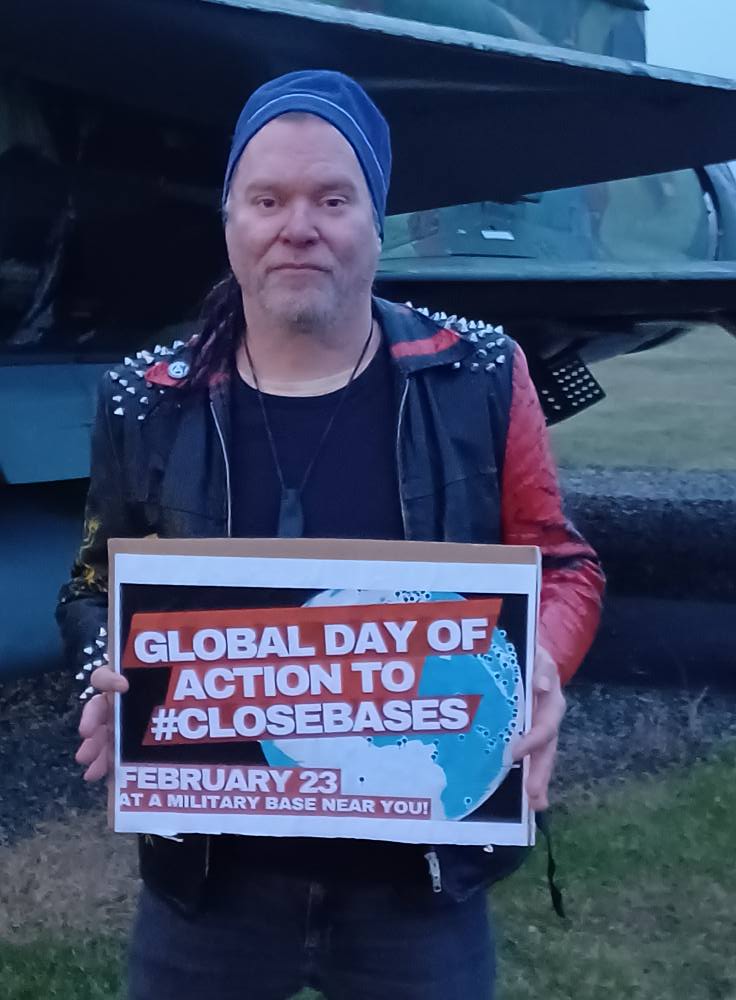
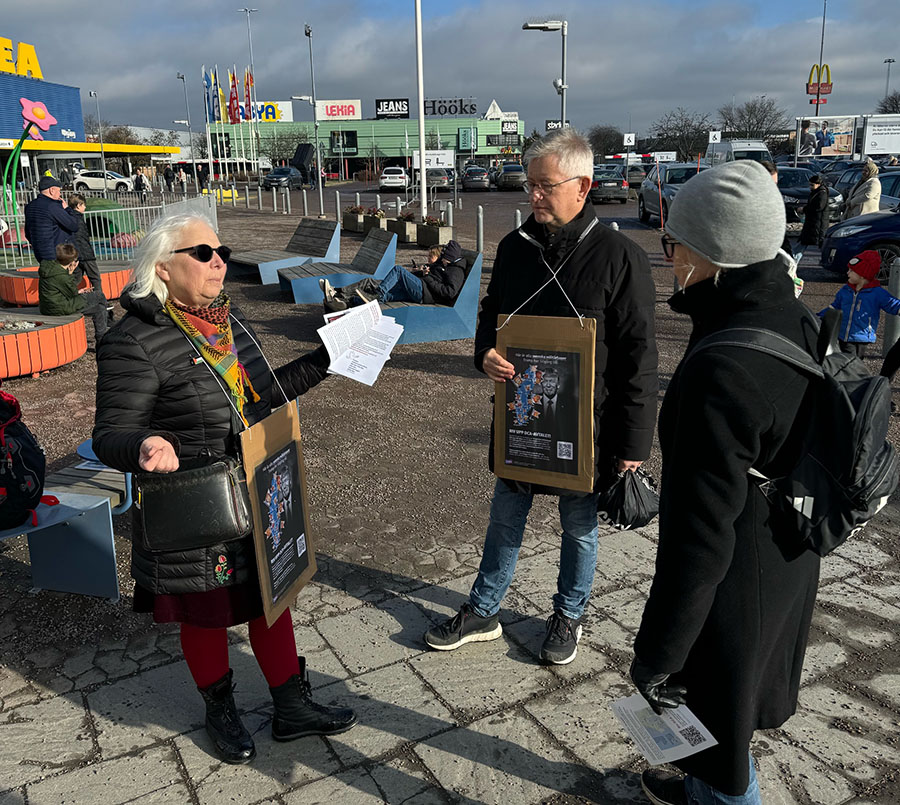
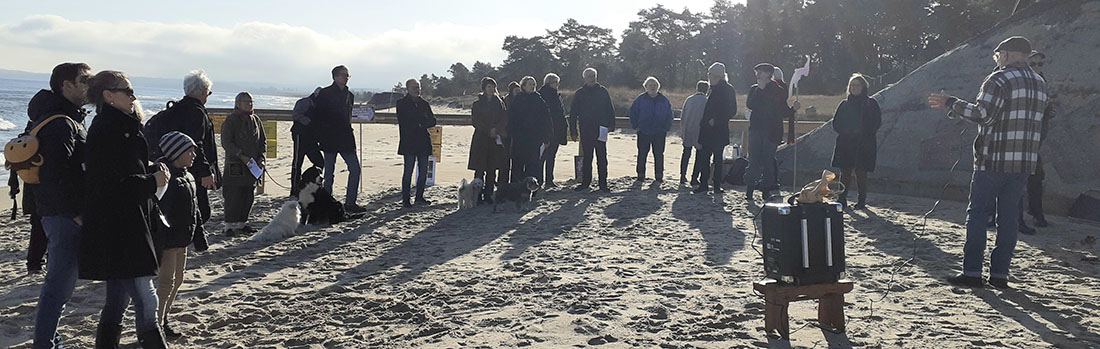
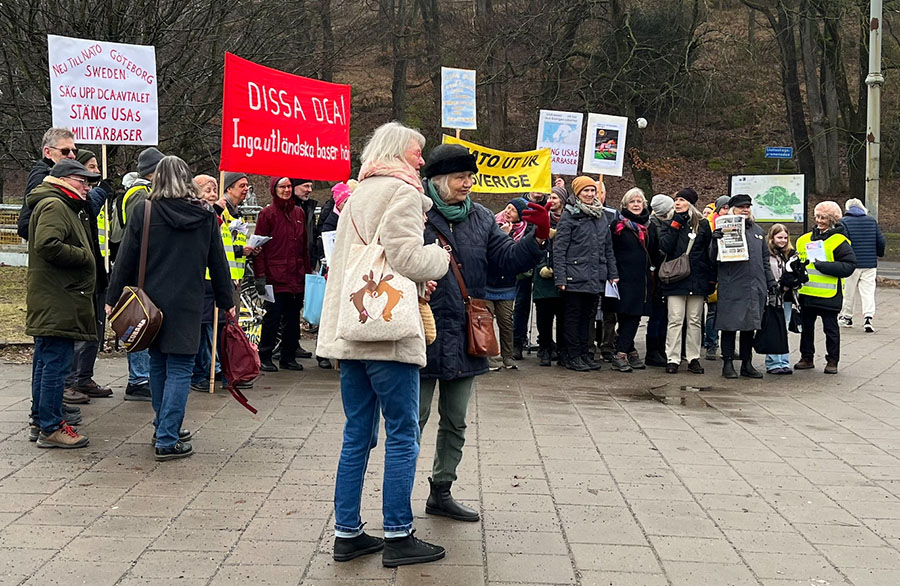
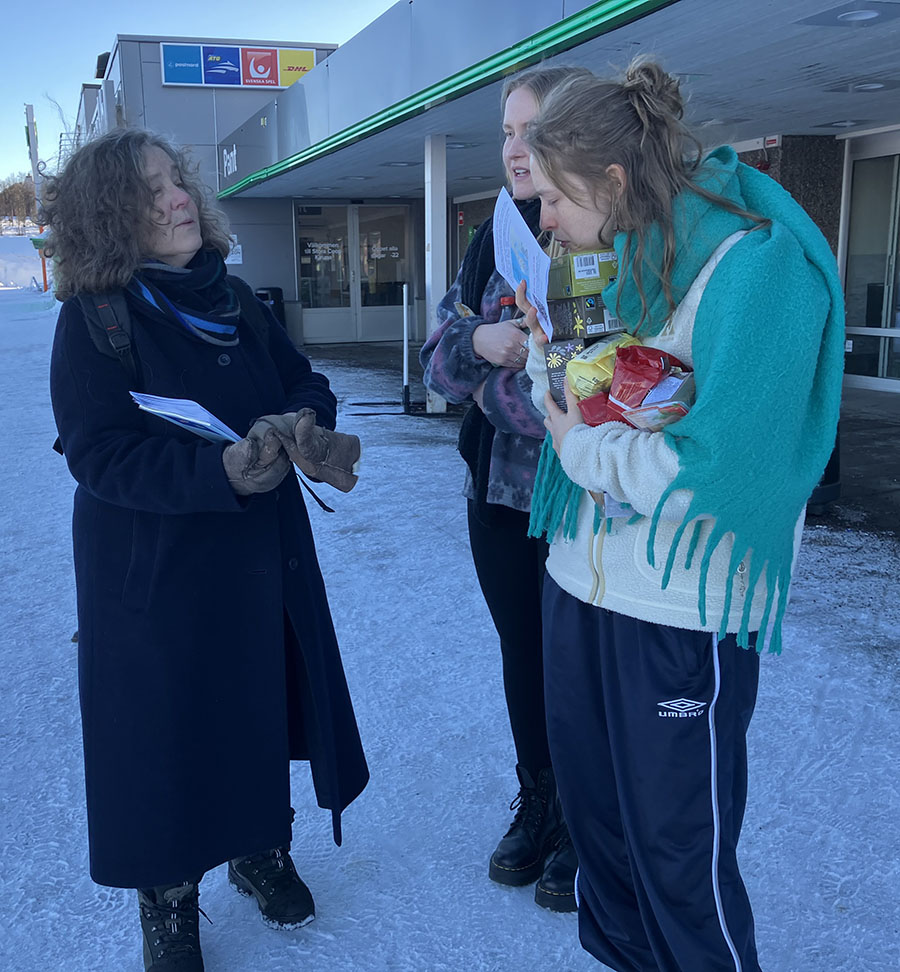
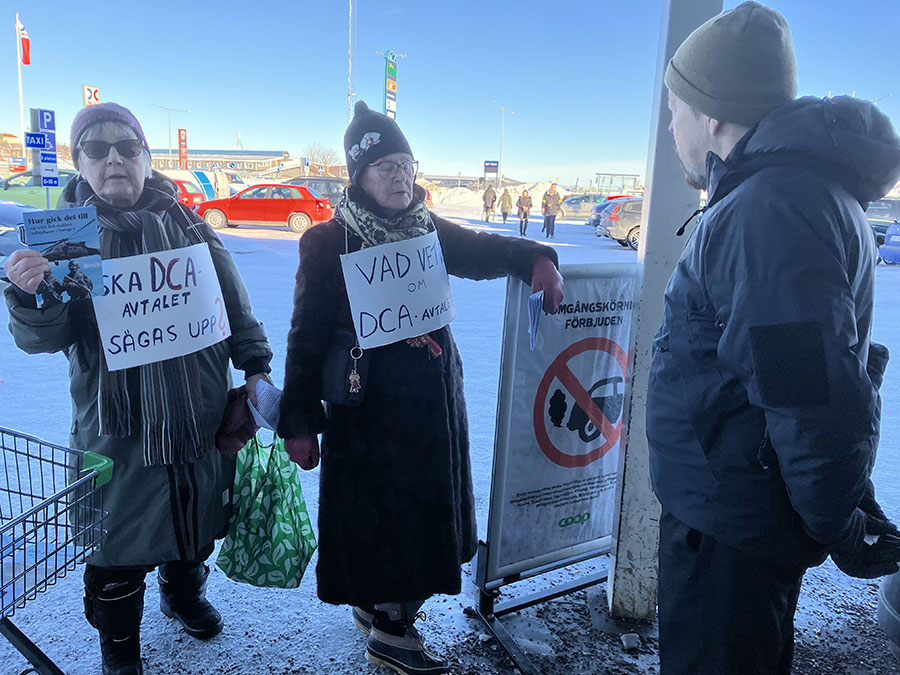
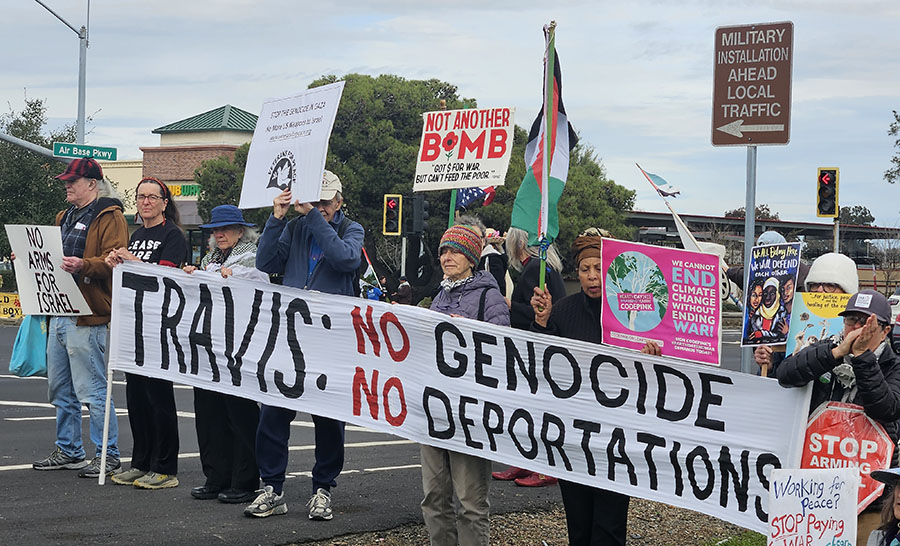
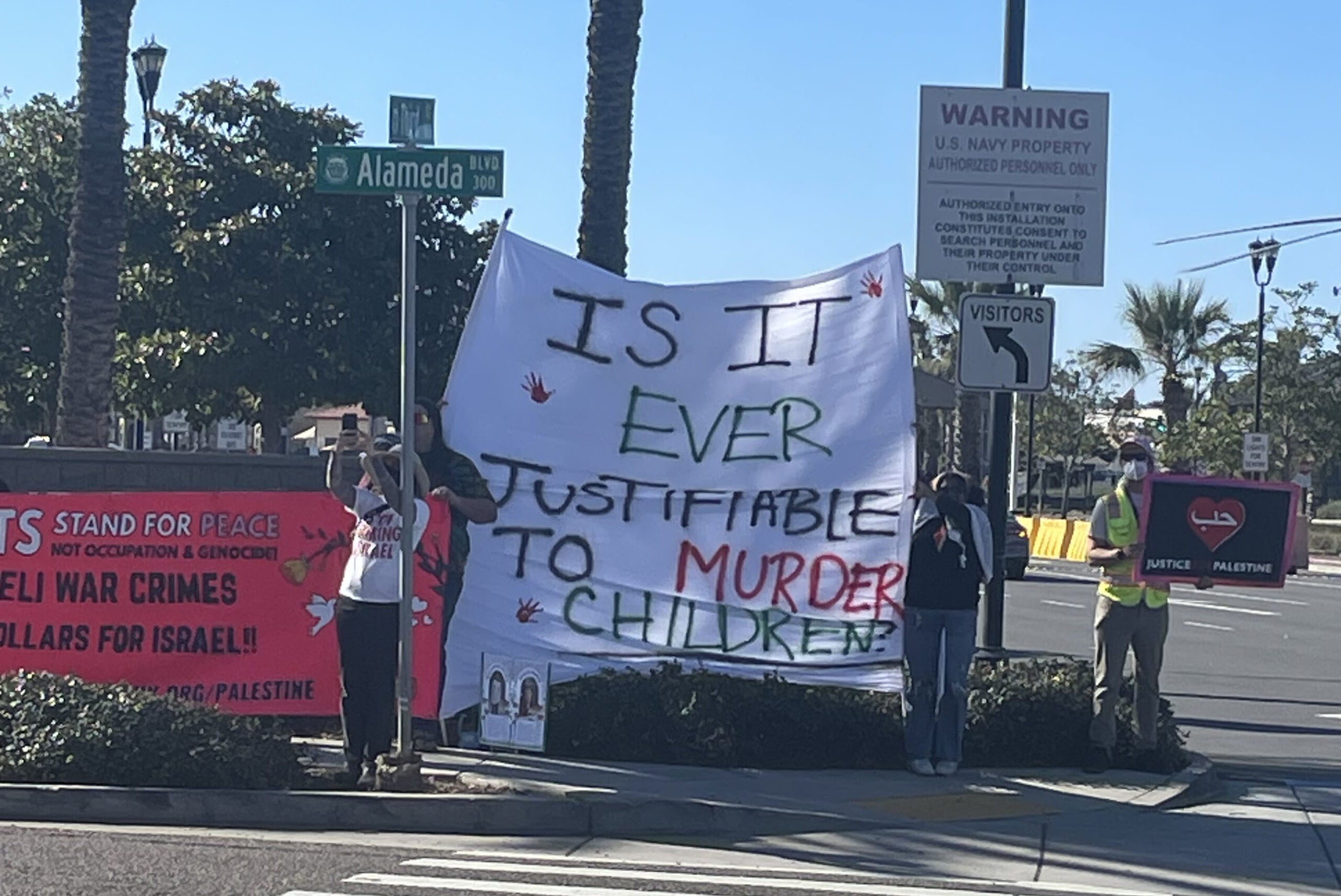
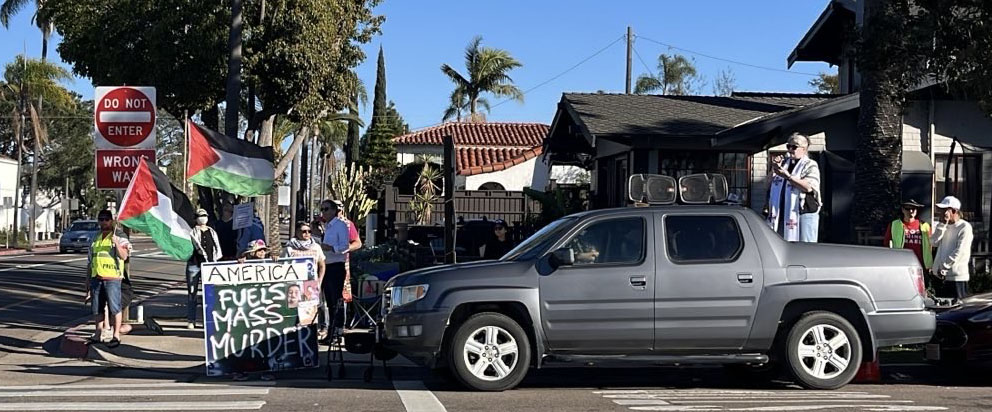
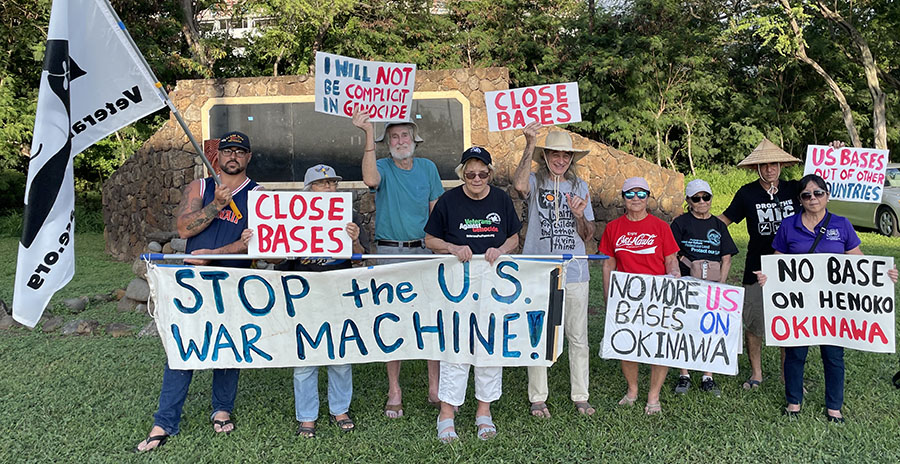
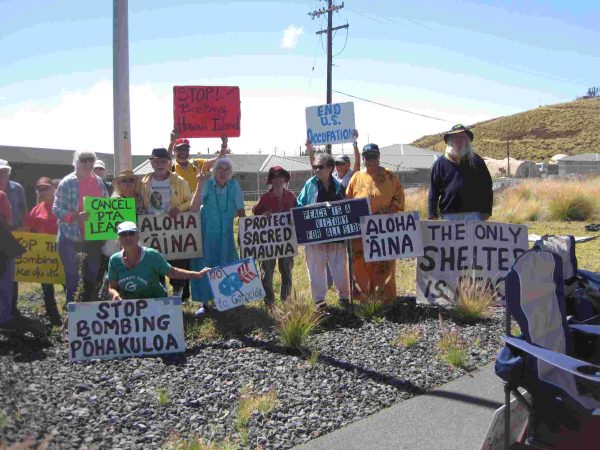
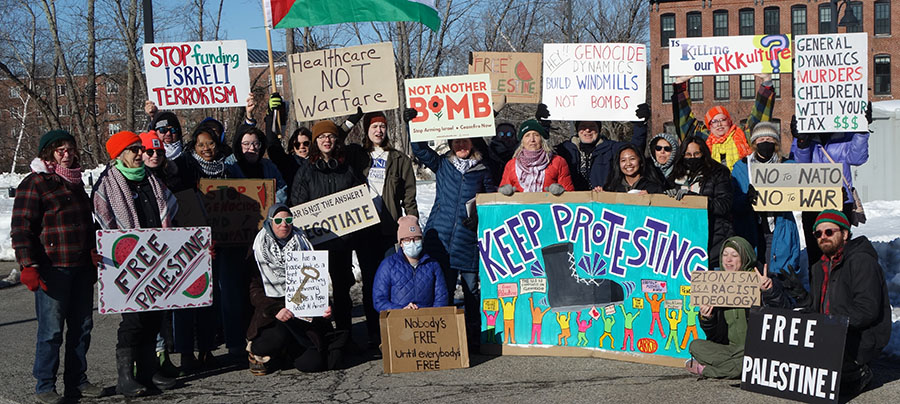
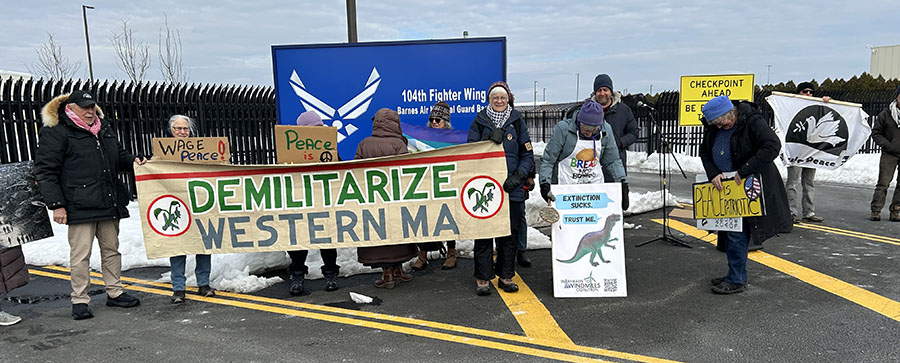
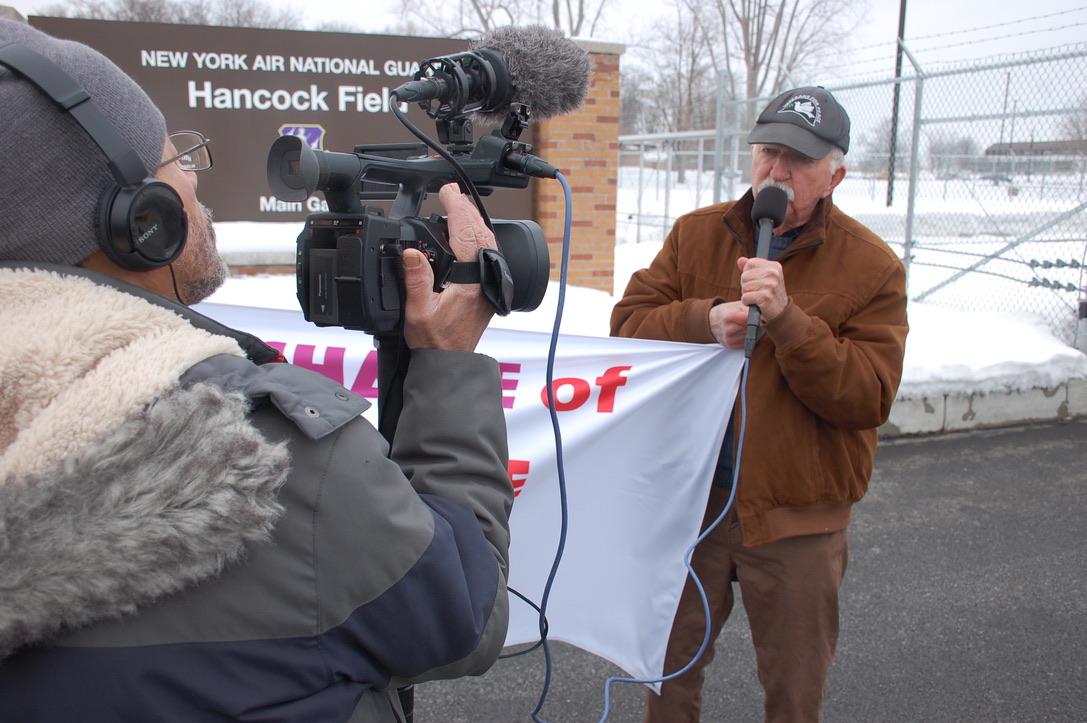
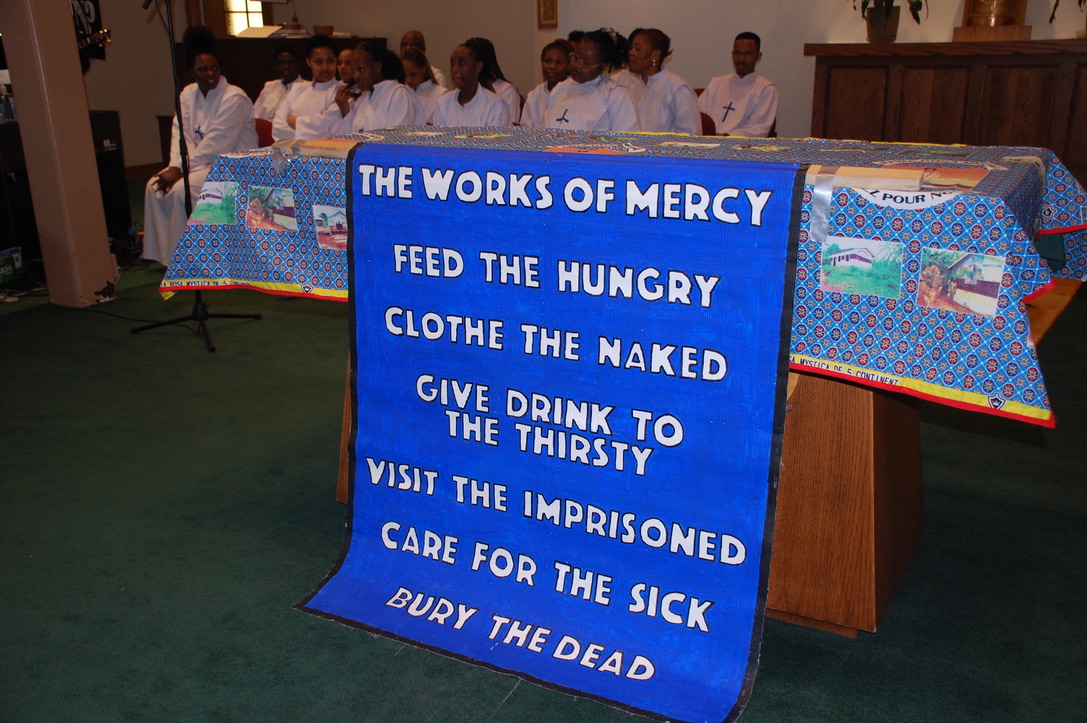
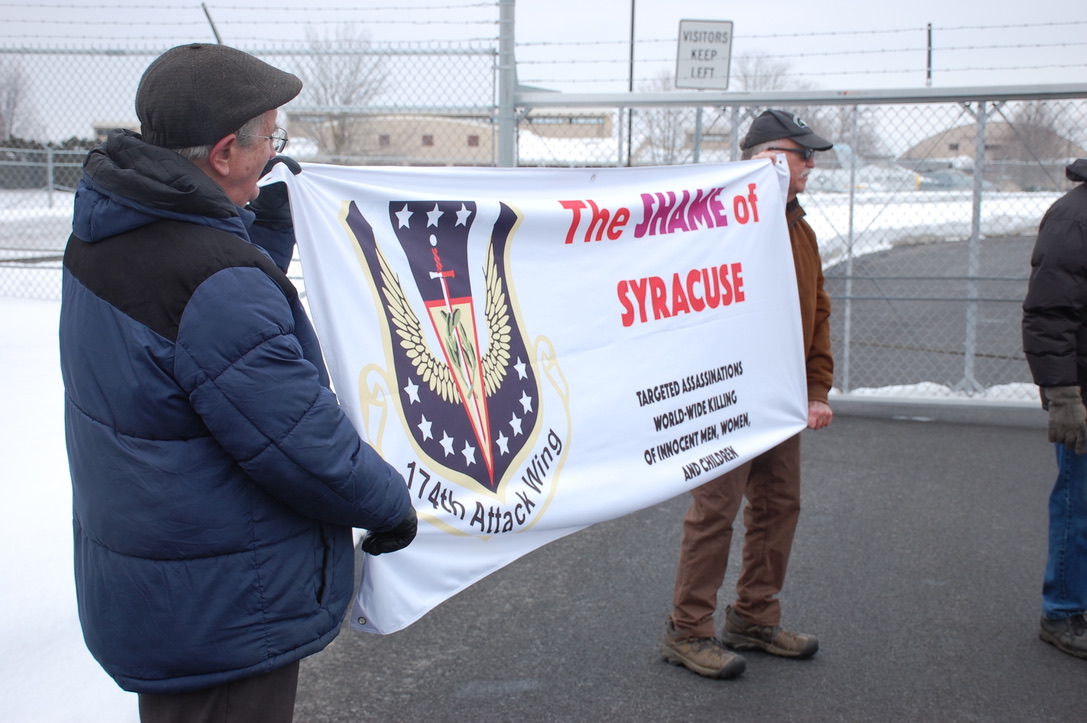
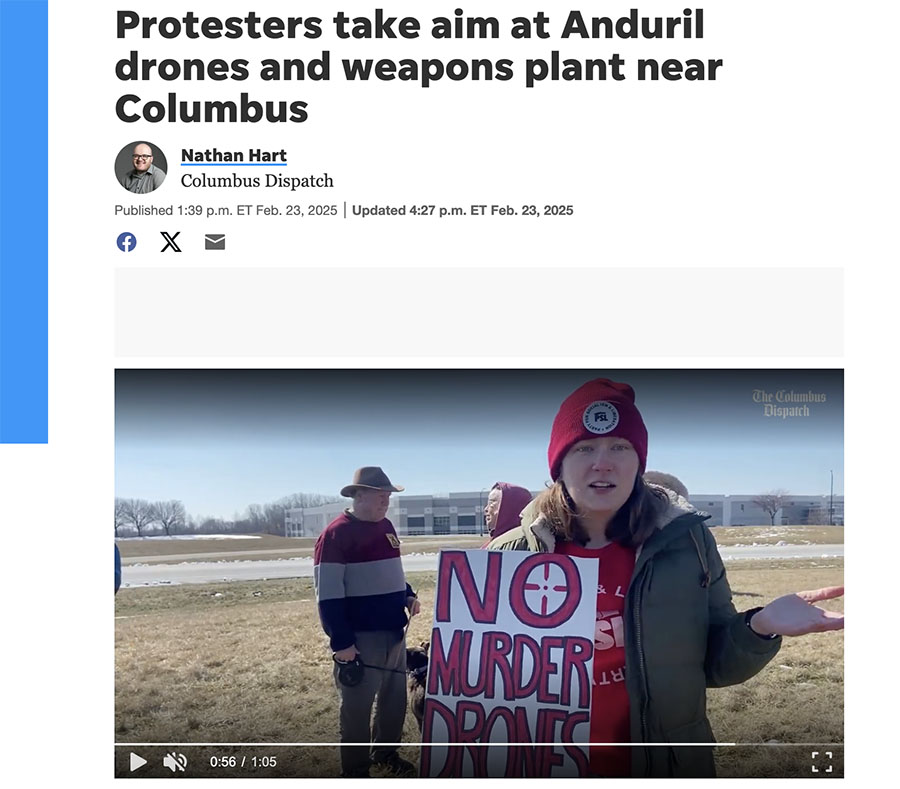
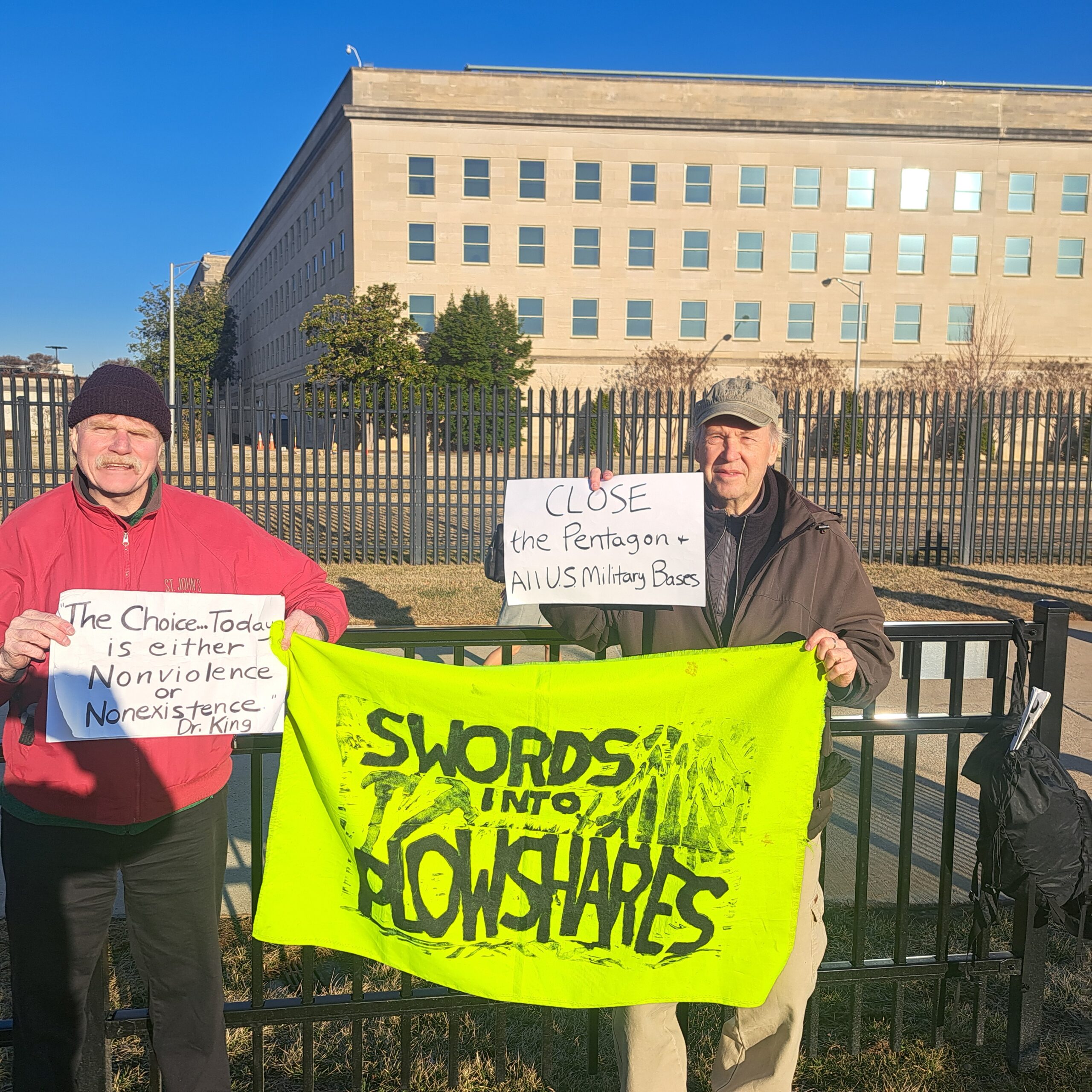
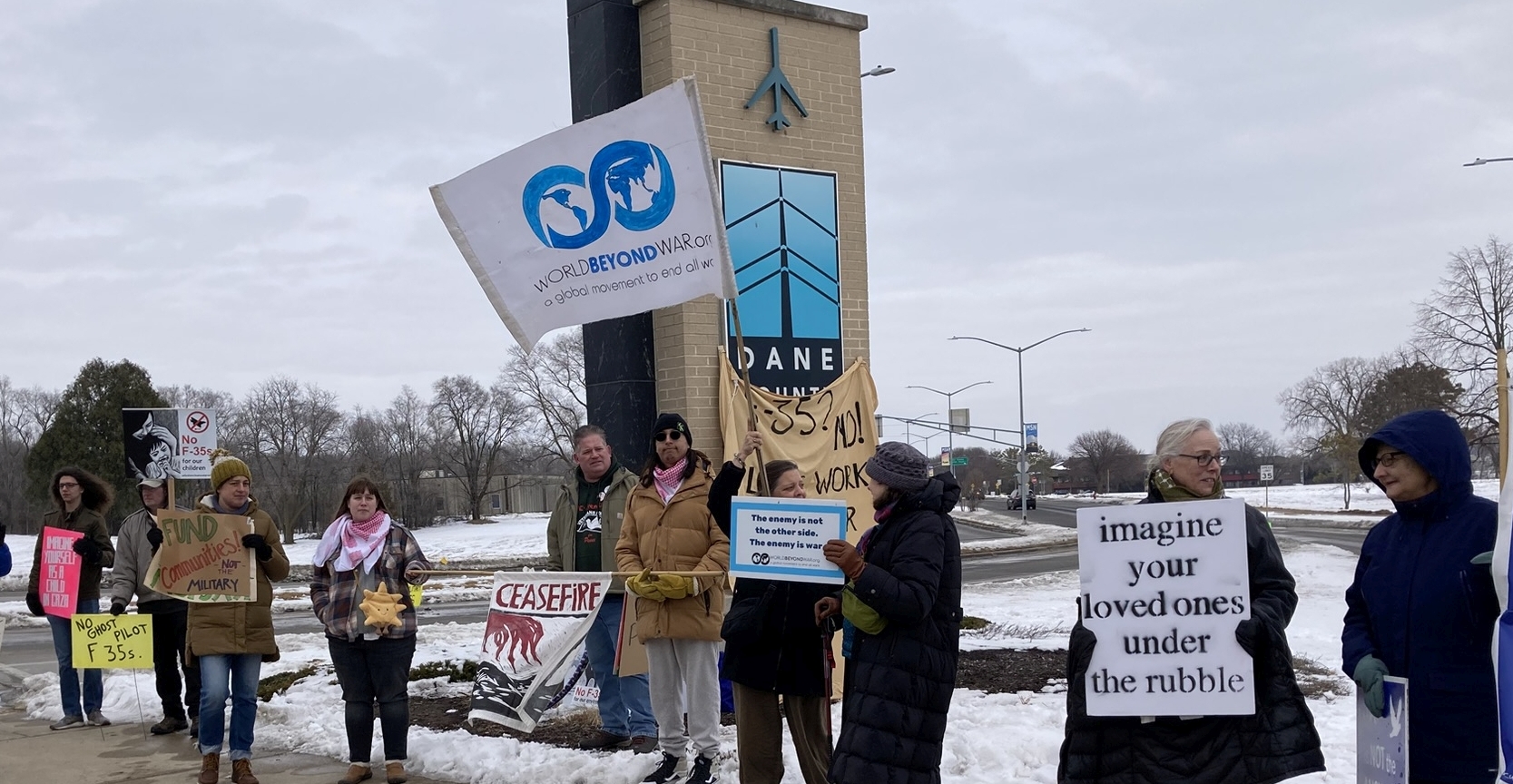
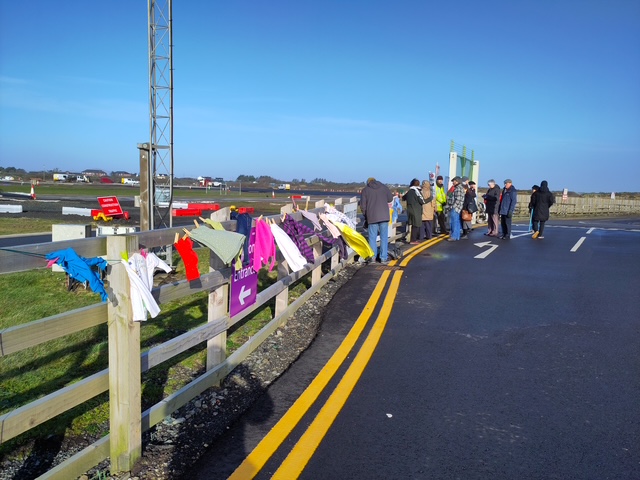
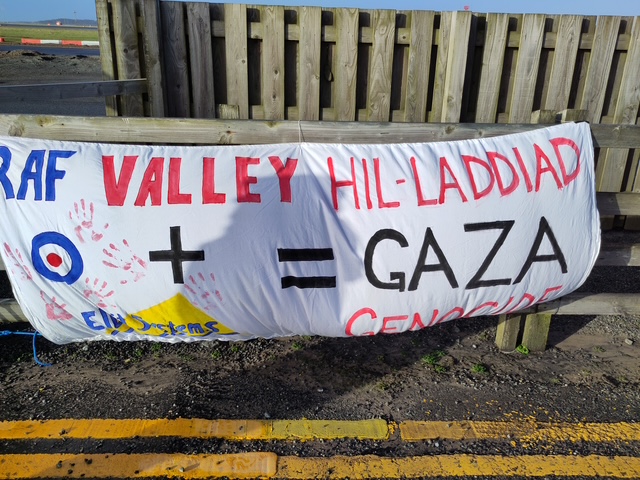
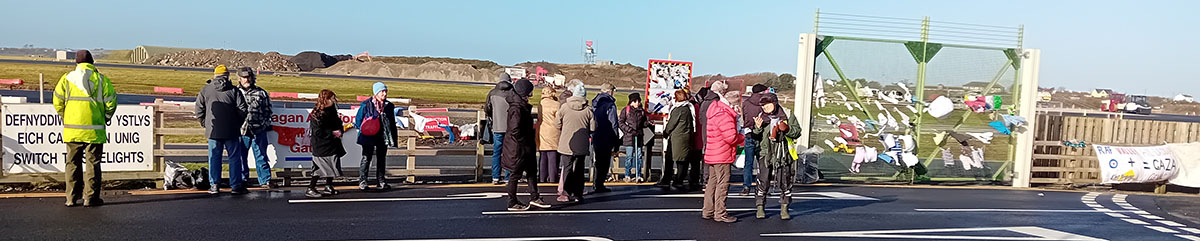
We held our protest successfully in Hiroo Tokyo, in front of the New Sanno Hotel where the secretive Japan-U.S. Joint Committee meets to determine the policies of Japan, especially regarding US bases.
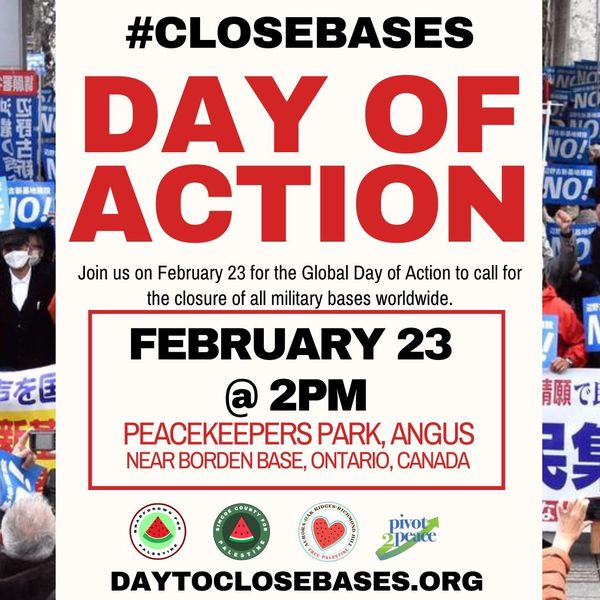
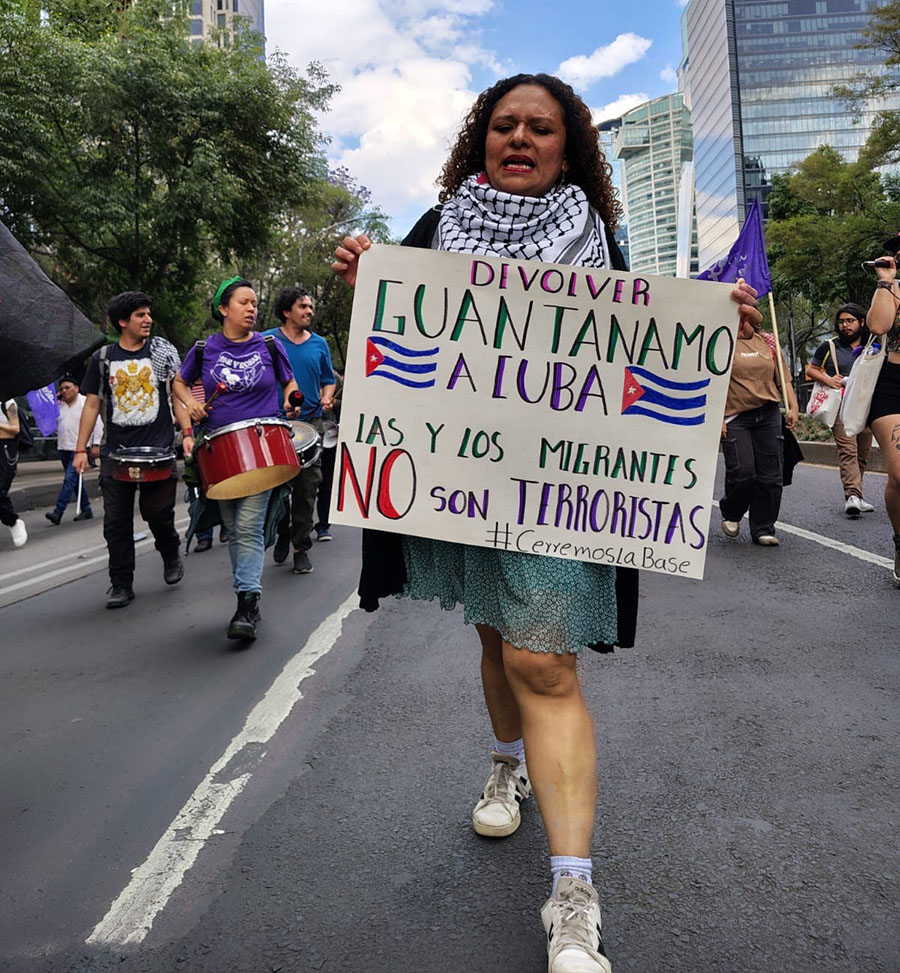
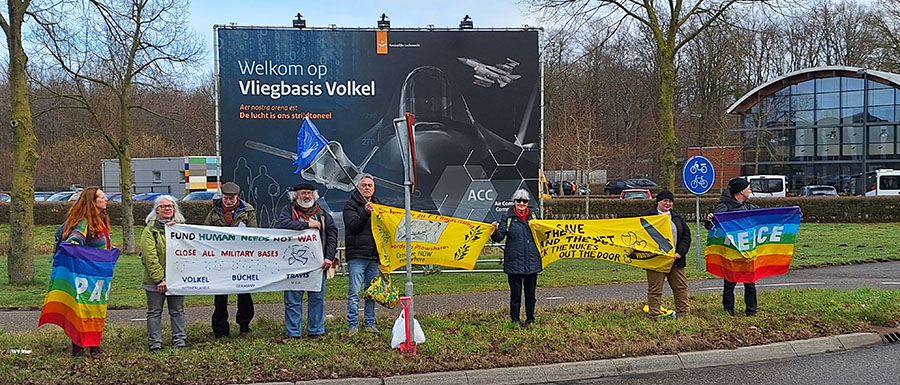
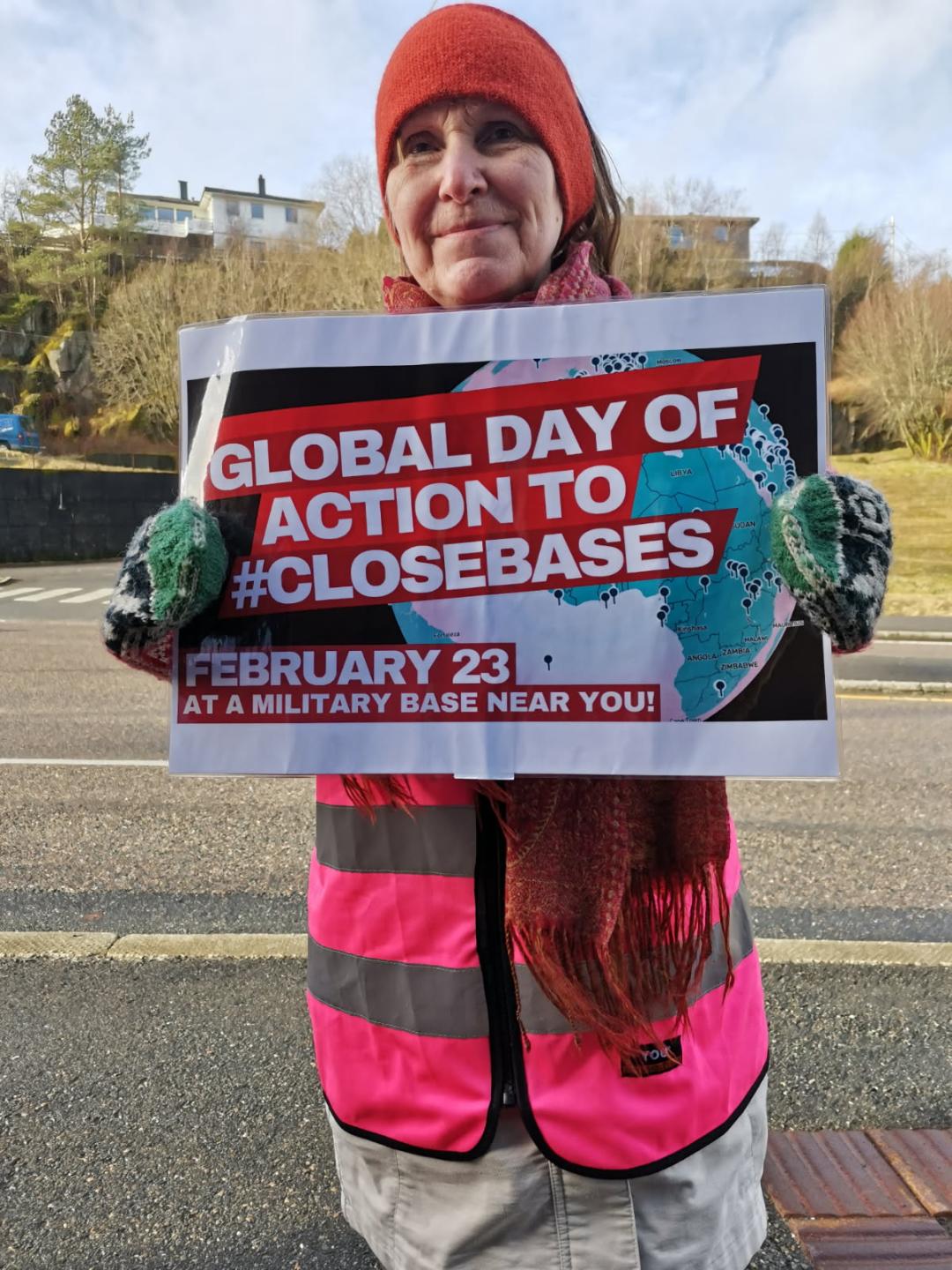
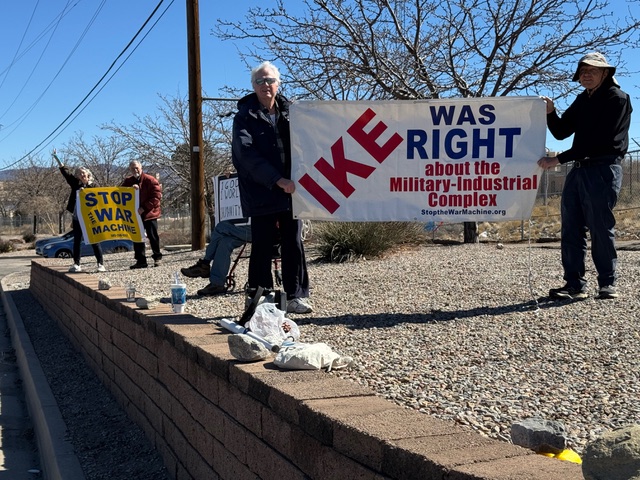
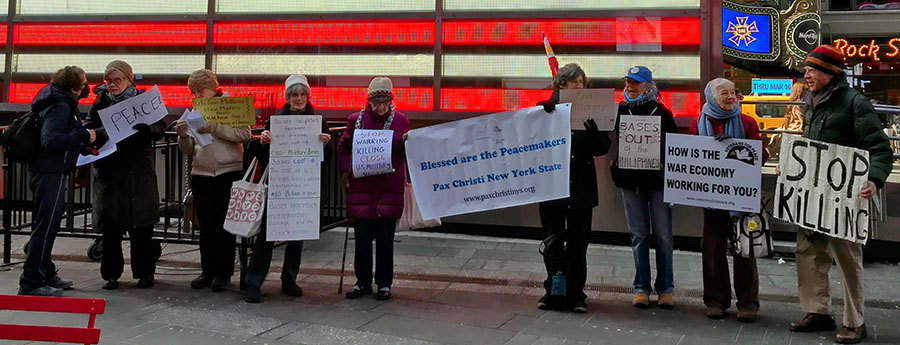
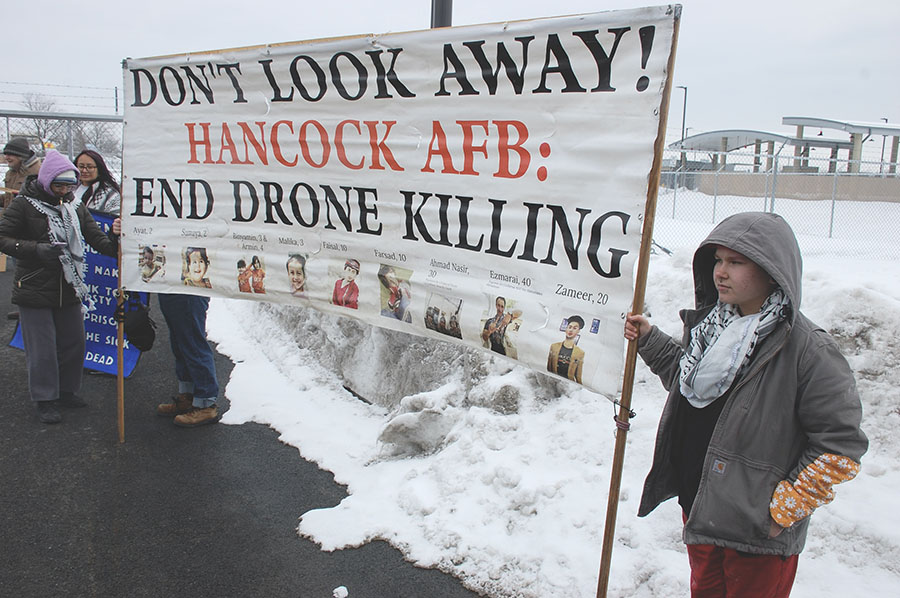
Today is the “Global Day of Action to #CloseBases” which was announced in the following manner:
“The thousands of military bases, both foreign and domestic, around the world are a critical piece of the war machine that must be dismantled. Closing bases is a necessary step to shift the global security paradigm towards a demilitarized approach that centers common security — no one is safe until all are safe.”
“We call on individuals and organizations around the world to join the Global Day of Action to #CloseBases on February 23 by organizing protests at military base sites near you.”
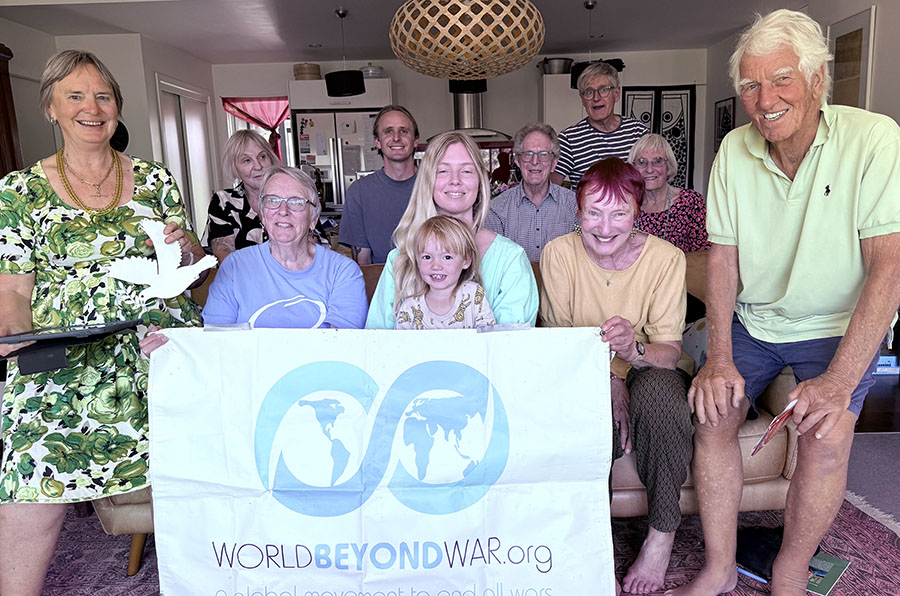
This call to action was issued by the citizen’s group World BEYOND War.
I am Hirayama Motoo, president of the Hirayama Peace Center which commemorates the tremendous sacrifices for the cause of peace made by the founders of the Yamanote Church Minister Hirayama Teruji and Minister Hirayama Akiko. We are cosponsors of today’s event.
The Hirayama Peace Center provides office space to the citizens’ group “Grassroots Movement to Eliminate U.S. Military Bases from Okinawa and Japan.” This citizens’ group was founded in 2001, following the tradition of the Alliance for the Reunification of Okinawa which is an organization with 10,000 members. Grassroots Movement to Eliminate U.S. Military Bases from Okinawa and Japan was responsible for the “Campaign to Demand the end of U.S. Military Bases in Okinawa” that was held in 2000 on the occasion of the G7 2000 Okinawa Summit. We have about 500 members, including former prime ministers, Kenji Utsunomiya, former president of the Japan Federation of Lawyers and former candidate for governor of Tokyo, and many other lawyers, cultural figures, and intellectuals. “Grassroots” refers to “the people. The Movement for the reversion of Okinawa is active as a national organization by membership that supports the Okinawa Reversion Executive Committee, which has grown into a single national organization with 10,000 members fighting against the “anti-reversion” thinking.
My Experience in post-war Japan as a 86-Year-Old “Young Man”
- I had experiences from the war, including gunfire at evacuation sites, seeing Utsunomiya City in flames, and witnessing the burnt-out ruins of the Kasumigaseki and Reinanzaka neighborhood, and Shibuya Park Avenue.
This year, Japan and the world commemorate the 80th anniversary of the end of World War II. I am now a “young man” of 86 years old. Our generation is the last generation that actually experienced war. At that time, the military and the government were calling the U.S. and other nations “demons and bastards” and “ogres and damn creatures.” But after the war, the government was praising “Sir America” everywhere.
I was in the first grade of elementary school at the end of the war, and we and our families fled to a bamboo grove behind our house when U.S. military planes flew over and bombed up in air raids even against our evacuation site.
We watched as the nearby city of Utsunomiya, where troops were stationed, went up in flames. During the later food shortages, we thought a lunch of a few sweet potatoes was a feast for the family of eight.
I arrived at Shinbashi Station in January of 1946. I was on my way back home, back from the station to the hill where Reinanzaka Church near the American Embassy. I saw that the Kasumigaseki and Toranomon neighborhoods were entirely burned down—only the American Embassy was left.
The town below the American Embassy and the church on the hill was a burnt-out field, leveled just as Gaza is today, leaving no houses but only make-shift shacks with burned-out tin roofs.
Today, Shibuya Park Avenue, where the Grassroots Movement to Eliminate U.S. Military Bases office is located, is nicely paved and lined with glamorous buildings, but in 1950, the street was all burnt-out ruins and stones were littered the ground.
- The New Constitution of Japan
When I entered Aoyama Gakuin Junior High School in 1951, I took a class in which we used a textbook published by the Ministry of Education that was entitled, “Some words about the new constitution.”
The first section of the book was titled “The Constitution”
It opened, “A new Constitution has been drafted, ladies and gentlemen. Do you know what the Constitution is? Do any of you think the constitution is something that does not concern you? If so, you are mistaken.
The work of running the nation is constant. The process for governing the country must be clearly defined. The most important part of that process is the constitution.
The Constitution is the most fundamental law that determines how the country is to be governed. What if the bearing walls in your house were to disappear? Your house would collapse in an instant. If we were to compare the nation to a house, the Constitution is a bearing wall. That is why is called the supreme law of the land.”
We first-year junior high school students in 1951 were the last to use the textbook “Some words about the new constitution.”
The reason was that a “Peace Treaty” was concluded in September of that year, and came into effect on April 28, 1952, that resulted in the imposition of the Japan-U.S. Security Treaty. The Constitution ceased to be the “supreme law of the land,” and the Japan-U.S. Security Treaty effectively replaced it as the ultimate law of the land.
- The Peace Treaty and the Potsdam Declaration: U.S. Forces Remain After Peace Treaty signed
When the Peace Treaty and the Japan-U.S. Security Treaty went into effect in 1952, the area near my home in Shibuya, now what is Yoyogi Park was the location of Washington Heights, a housing complex for U.S. servicemen. Ordinary Japanese were not allowed to enter that space. As a junior high school student, I thought in my own way that when Japan became independent again under the new peace treaty, I would be able to enter Washington Heights. However, nothing changed after the treaty and I was deeply disappointed, although my understanding was limited.
The Potsdam Declaration of 1945, which set the international legal framework for the occupation of Japan by forcing the Japanese government to surrender to the United States, the United Kingdom, and China, and later the Soviet Union, stipulated in paragraph 12: “The occupying forces of the Allies shall be withdrawn from Japan as soon as these objectives have been accomplished and there has been established in accordance with the freely expressed will of the Japanese people a peacefully inclined and responsible government.”
But the U.S. imperialist regime that issued the Potsdam Declaration, then openly violated it. Those forces have remained until this day.
The continued deployment of the U.S. military is illegal, a blatant violation of the Potsdam Declaration which is international law. The illegality of the presence of American troops was not altered by the new security treaty, and that illegal situation has lasted 73 years.
No matter how many times the governments of the U.S. and the Japan claim that they “observe international law,” they cannot change the stark fact that the entire security agreement violates Japan’s sovereignty and international law.
The U.S. military, which has maintained some 200 bases in Japan for the past 73 years, is an illegal military force that violates the very international law that the US keeps referring to.
- The Sunagawa Incident and the Date Decision. Okinawa Representative’s Visit to University of Tokyo and the 1960 “Anpo” Struggle
In 1959, Judge Akio Date of the Tokyo District Court ruled that those arrested in the Sunagawa protests against US bases were not guilty because the Security Treaty itself violated the Japanese Constitution. A delegation from Okinawa visited the Komaba campus of University of Tokyo and denounced the total military occupation of Okinawa and the devastation of the region that resulted.
That was the start of the student protests against the renewal of the US-Japan Security Treaty in 1960. Hundreds of thousands of people surrounded the National Diet repeatedly, and on June 4, Japanese National Railways workers launched a strike in protest. Stores in Shibuya also closed to protest the renewal of the Security Treaty.
Even children played games of “oppose the security treaty” with each other. The Kishi cabinet which supported the treaty was forced to resign.
But public opinion has reversed itself today, with the majority of public opinion in favor of the Security Treaty.
But the truth, however, remains the same.
The truth is that the supreme law of Japan is not the “Security Treaty” but rather the Constitution of Japan and international law.
- The formation of the Okinawa Reversion Alliance.
The 1960 Security Treaty struggle ignited national outrage over the illegal occupation of Okinawa by the US military.
I proposed we form of a single national organization of individual members with a commitment to the reversion of Okinawa and build a nation-wide movement for the reversion of Okinawa. This proposal was accepted by the public, and in 1966 we began work to form a single national organization. By the time Okinawa was returned in 1972 it had10,000 members with offices in all prefectures.
At the time, I viewed the relationship between Okinawa and mainland Japan as an unnatural division of peoples like the 17th parallel forced on Vietnam, the 38th parallel forced on Korea, and the East-West Wall in Germany. I proposed a meeting at the 27th parallel which divides Okinawa Prefecture from mainland Japan. At first, we had a small gathering at sea, but later it would be a large rally at sea.
After the reversion of Okinawa to Japan, the division along the 27th parallel was been eliminated. All the same, Japanese and American reactionaries made up the story that 70% of US bases are on Okinawa—pretending there were no bases on the mainland.
The truth is that 70% of the U.S. military bases are located on the mainland. They purposely leave out the large training grounds in Higashi-Fuji and Kita-Fuji, in Yamanashi Prefecture, in Shizuoka Prefecture, in Hinodeidai Training Area in Oita Prefecture, in Ojo Terahara Training Area in Miyagi Prefecture, and in Yausubetsu Training Area in Hokkaido.
They made up this story to convince people that even more US military bases were necessary.
That kind of propaganda creates gaps between the people of Okinawa and those on the mainland and obstructs what should be a united struggle. The people of Okinawa, and the people of the mainland, must unite in this fight.
And the Senkaku Islands, Taisho Island and Kuba Island (which are occupied by the US military under the Chinese names of Akao Reef and Huangwei Reef) have had US military bases since 1956.
We hear nothing but anti-Chinese propaganda about the Senkaku Islands, but the truth is that China is not building a base on the Senkaku Islands. We should protest against the U.S. military that has had bases there for many years that must be removed.
- Gerson tells me that revision of the Status of Forces Agreement is not enough
In 2004, I visited the American Quaker Mr. Gerson in Boston as representative of the “Grassroots Movement to Eliminate U.S. Military Bases in Okinawa and Japan.”
Mr. Gerson told me that it was a mistake to spend time demanding revisions to the Status of Forces Agreement that determines that status of US bases because calling for modification, rather than abolition, would allow the US military to remain.
At the time Mr. Gerson’s comments made me uncomfortable with Mr. Gerson’s statement because it was the assumption among democratic forces that we must abolish the US-Japan Security Treaty and revise of the Status of Forces Agreement so as to return to a normal relationship with the United States.
The more that I thought about it, the more I felt that just revision of the Status of Forces Agreement meant that Japan was accepting that the U.S. military would remain in Japan forever.
I came to the conclusion that the Status of Forces Agreement must not only by revised but completely scrapped.
The Status of Forces Agreement is regulated by Article 6 of the Security Treaty. It is the historical task of the Japanese people to abolish both the Status of Forces Agreement and the US-Japan Security Treaty, and to demand the removal of all U.S. military bases.
- The importance of abolishing the US-Japan Security Treaty and concluding a treaty of friendship between Japan and the United States
Article 10 of the US-Japan Security Treaty stipulates that U.S. forces must withdraw from Japan within one year after either the U.S. or Japanese government gives notice of termination of the Security Treaty. Only when the U.S. forces withdraw in accordance with this clause can Japan’s independence be restored. This clause is the keystone of Japan’s independence from the U.S.
The forces for democracy and peace in Japan are not hostile to the people of the United States. The Americans who are participating in this event today are truly the friends of the Japanese people.
When Japan wins independence from the U.S. military and government, Japan will conclude a treaty of friendship with the U.S. that is for the friendship between our citizens.
U.S. imperialism controls NATO and dominates the entire world through U.S. military bases.
NATO (North Atlantic Treaty Organization) is the world’s largest, strongest, and most dangerous military alliance that contains 32 countries. The U.S. military dominates the world through NATO and other organizations. NATO assumes that Russia is an enemy. The Japan-U.S. military alliance established by the Japan-U.S. Security Treaty is increasingly linked to NATO. So also the U.S.-Japan-South Korea relationship is being formed into a military alliance for war with China. The U.S. has created web of military alliances to dominate the world that lead to unending wars.
The closing of all bases is a demand required for independence from the United States.
We stand here in front of the New Sanno Hotel which is also a U.S. military facility and thus can be categorized as a “base.”
The Azabu Helicopter Base, located in the same Minato Ward in Tokyo, is where the U.S. military is planning to build its General Staff Headquarters. It is also a base in a major urban center.
There are about 35 bases in Okinawa, but there are 200 bases in all of Japan, including Yokota Air Base, which manages the Yokota airspace over the capital city of Tokyo that includes Haneda Airport, Yokosuka Air Base, Yokohama Air Base. The remaining 160 bases are on the mainland.
The headquarters of the U.S. military, which controls all these bases, is located at Yokota Air Base, and the headquarters of the so-called “Self-Defense Forces,” an auxiliary force of the U.S. military, is also located at Yokota.
The bases are overseen by the U.S.-Japan Joint Commission, a secretive organization composed of representatives of the U.S. military on the one side and heads from the Japanese government on the other side. Policy is dictated to Japanese government by the US military. The minutes of this joint committee have never been made public. It has authority beyond that of the Japanese Diet, Cabinet, and legal system.
If we only focus on revising the Status of Forces Agreement, we may make a few improvements but the assumption that occupation by the US military forever will not change.
The Japan-U.S. Joint Commission that meets here every month to determine Japan’s future will remain just as secret and unaccountable.
If we want to end the illegal and unaccountable domination of Okinawa, and also of the rest of Japan, by the U.S. military, the first step is to establish a government in Japan that is truly independent and that will give notice that it will withdraw from the US-Japan Security Treaty in accord with Article 10.
Let us work together to establish a government in Japan that will withdraw from the Japan-U.S. Security Treaty and end the threat of war in the region and in the world. We must do so by gaining our independence from the United States first.
Today’s protest against bases is an important step towards addressing the central issue of Japan’s true independence.
Let’s do our best. We at the Hirayama Peace Center will also do our very best.