

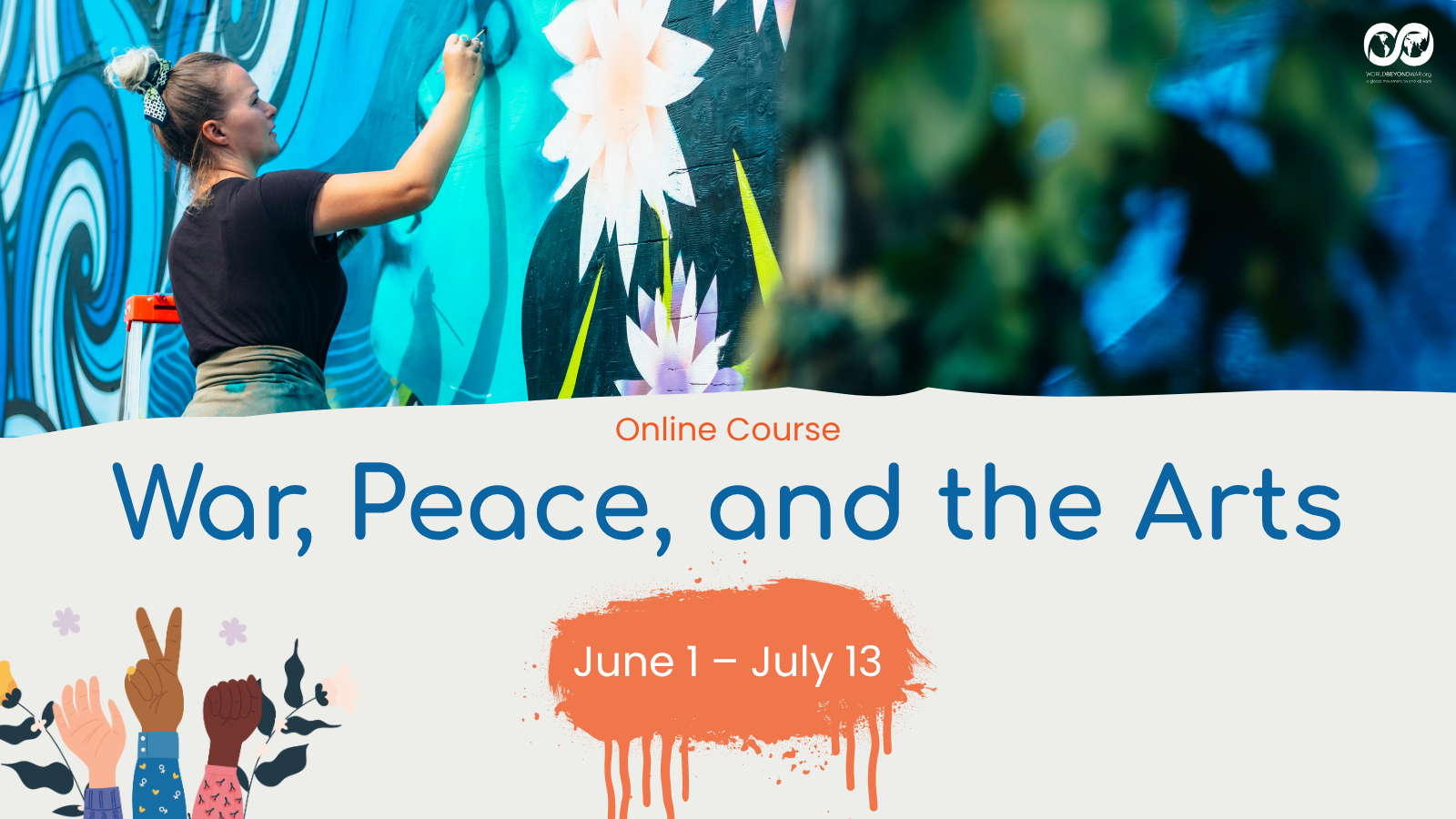
War, Peace, and the Arts is a six-week online course about creating and using the arts in peace and anti-war work. It explores how artistic and cultural forms shape war, peace, and public imagination, and how creative practice can strengthen education, advocacy, dialogue, communication, organizing, and movement-building.
The course has two main components:
- Six online modules, completed at times that work for you
- Three optional live Zoom sessions for discussion, reflection, and exchange
Each week combines short online materials, diverse examples, reflective questions, discussion opportunities, and accessible creative exercises. Participants who complete the optional weekly assignments will receive a certificate of completion.
The course begins from the understanding that war is not sustained by weapons, institutions, and policy alone. It is also sustained through culture: through the stories, images, symbols, language, music, memory, and performances that make war seem normal, necessary, or heroic. Yet these same cultural forms can also challenge militarism, strengthen movements for peace, and make alternatives to war visible.
What this course aims to bring to the forefront is a renewed commitment to peacebuilding as both a science and an art. Peacebuilding requires analysis, strategy, organization, training, and technical skill. But it also requires imagination, creativity, cultural awareness, practical wisdom, emotional intelligence, experiential and embodied practice, experimentation, and communication that can move people. When peacebuilding becomes overly technical or detached from lived experience, it can lose sight of these artistic, cultural, creative, and human dimensions.
The arts matter because they shape moral imagination. They influence what people notice, how they see others, how they understand harm, and what kinds of futures they believe are possible. They can narrow that imagination by glorifying violence or dehumanizing others. They can also expand it by humanizing people, bearing witness to suffering, deepening empathy, and creating space for reflection, connection, and change. The arts can speak to hearts and minds, nurture the human spirit, and help people imagine and work toward a world beyond war..
Course Modules
Module 1: Why the Arts Matter for War and Peace
Explore what is meant by “the arts” and why creativity matters for war and peace. Examine how artistic and cultural forms shape perception, emotion, memory, identity, moral imagination, and public life. Consider how culture can normalize or challenge war, and complete a short future-imagining reflection on alternatives to war.
Module 2: Writing, Poetry, and Narrative Change
Examine writing as a way of naming harm, bearing witness, challenging dominant narratives, reframing assumptions about war, imagining alternatives, and inspiring action. Engage with forms such as poetry, testimony, storytelling, speeches, slogans, manifestos, reflective writing, and public communication, and develop a short written piece of your own.
Module 3: Music, Sound, and Collective Voice
Explore music, song, spoken word, chant, and sound as tools for memory, protest, solidarity, mourning, healing, and hope. Reflect on the emotional and collective power of sound, engage with selected examples, and develop a small sound-based response, concept, or creative piece of your own.
Module 4: Visual Culture, Film, and Public Imagination
Consider how visual culture shapes feeling, memory, moral and political imagination, and public communication. Explore forms such as posters, murals, photography, illustration, film, and digital design, and experiment with creating a visual concept, poster idea, storyboard, or design brief relevant to your own context.
Module 5: Theater, Performance, and Embodied Practice
Examine embodied and participatory forms of art, including theater, performance, dramatic storytelling, role-play, and interactive methods. Explore how performance can deepen empathy, open dialogue, rehearse alternatives, and create reflective, participatory spaces for learning and action.
Module 6: Creating for Impact
Bring the course together by developing a small arts-based idea, project, intervention, or communication piece relevant to your own work or context. Explore how creative practice can support education, advocacy, dialogue, organizing, movement-building, and continued involvement in peace and anti-war work, including through World BEYOND War.
Format and Time Commitment
The course is fully online, and weekly materials can be completed at times that work for you.
Estimated time commitment:
- Reviewing weekly content: approximately 1–2 hours per week
- Participating in online discussions: an additional 1–2 hours per week
- Completing optional weekly reflective or creative assignments: approximately 1–2 hours per week
- Developing a final small project or action idea: approximately 2–3 hours across the course
Live Zoom Sessions
The course includes three optional live Zoom sessions designed to create a more interactive learning experience and facilitate exchange among participants and facilitators from different parts of the world.
Zoom Session 1: Introductions and opening reflections
Tuesday, June 9, 2026
4:00 pm UK time / 11:00 am US Eastern / 8:00 am US Pacific
Zoom Session 2: Mid-course reflections and exchange
Tuesday, June 23, 2026
4:00 pm UK time / 11:00 am US Eastern / 8:00 am US Pacific
Zoom Session 3: Final reflections and next steps
Tuesday, July 7, 2026
4:00 pm UK time / 11:00 am US Eastern / 8:00 am US Pacific
Participants in other time zones can check the equivalent session time here:
https://www.timeanddate.com/worldclock/converter.html
Please note: the live Zoom sessions are optional. The main course materials are accessed through the online course platform and can be completed in your own time.
A link to check the session time in your own time zone will be shared with registered participants.
This course is designed to help you:
- Understand how the arts shape war, peace, public imagination, memory, identity, moral imagination, and social change
- Learn from historical and contemporary examples of artists, educators, cultural workers, and movements challenging war, militarism, violence, and injustice
- Build confidence using and engaging with writing, sound, visual culture, film, theater, and performance in your own work
- Apply creative methods to education, advocacy, dialogue, communication, organizing, and movement-building
- Reflect on ethics, dignity, consent, representation, trauma awareness, and doing no harm
- Develop a small arts-based idea, project, intervention, or communication piece for your own context
- Engage with an international cohort of peacebuilders, educators, artists, organizers, and learners
Course hosts and guest facilitators include artists, educators, organisers, scholars, researchers, and practitioners working at the intersections of war, peace, creativity, culture, and social change.
Contributors bring experience from different countries and regions, helping participants explore how the arts can shape public imagination, challenge militarism, support healing, and open space for peacebuilding and social change.
Date: June 1–7 Host/Facilitator: Dr. Phill Gittins Phill Gittins, PhD, is Education Director at World BEYOND War. He is an educator, practitioner, researcher, and author with over 20 years’ leadership, programming, and analysis experience in the areas of peace, education, psychology, youth, and community development. He has lived, worked, studied, and travelled in over 60 countries, taught in schools, colleges, and universities around the world, and trained thousands of practitioners and activists on peace, security, and social change-related issues. Phill has led and supported a wide range of education programmes, research initiatives, and multi-stakeholder collaborations across civil society, public institutions, and international networks. He is a Rotary Peace Fellow, Kathryn Davis Fellow for Peace, and Positive Peace Activator and Global Peace Index Ambassador for the Institute for Economics and Peace. Phill holds a PhD in International Conflict Analysis, an MA in Education, and a BA (Hons) in Youth and Community Studies, and serves on the editorial board of the Journal of Peace Education. Phill can be reached at phill@worldbeyondwar.org |
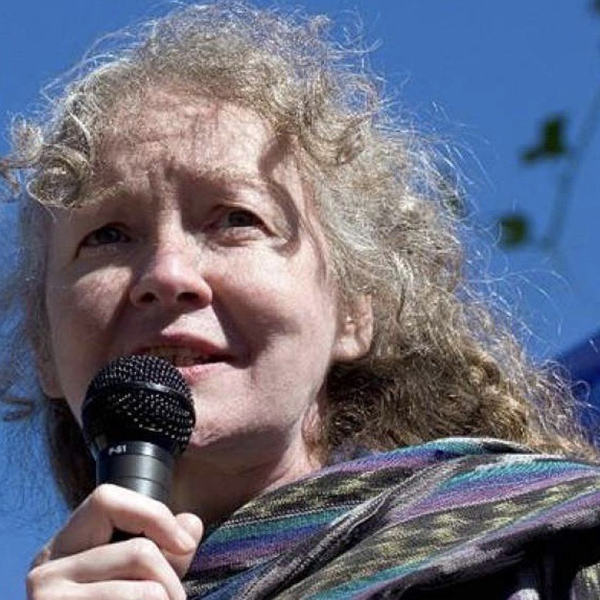
Date: June 8–14 Host/Facilitator: Kathy Kelly Kathy Kelly is board president of World BEYOND War. From 2022 to 2024 she co-coordinated the Merchants of Death War Crimes Tribunal. Since the Taliban takeover of Afghanistan, she has co-coordinated an international network to assist young Afghans forced to flee their country. She made over two dozen trips to Afghanistan from 2010 – 2019, living with young Afghan Peace Volunteers in a working-class neighborhood in Kabul. With Voices in the Wilderness companions, from 1996 – 2003, she traveled twenty-seven times to Iraq, defying the economic sanctions and remaining in Iraq throughout the Shock and Awe bombing and the initial weeks of the invasion. She joined subsequent delegations to the West Bank’s Jenin Camp in 2002 during and after Israeli attacks, to Lebanon during the 2006 summer war between Israel and Hezbollah and to Gaza, in 2009, during Operation Cast Lead and following the 2013 Operation Pillar of Defense. Kathy has been an educator for most of her life, but she believes children of war and those who are victims of violence have been her most important teachers. |
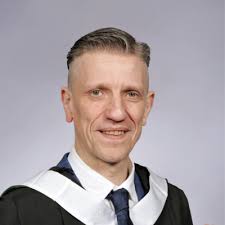
Date: June 15–21 Host/Facilitator: Mark Grattan Mark Grattan is a postgraduate researcher in the School of Education at the University of Leeds, investigating how AI is reshaping higher music education, and how universities and conservatoires can respond ethically through a social justice lens. He brings an interdisciplinary perspective through long-standing professional practice as a music educator, alongside over three decades as an internationally recognised electronic music artist. Mark’s academic pathway has been non-traditional. After returning to higher education as a mature student, he completed a BA (Hons) in Teaching and Education (First-Class Honours) and an MA Education (Distinction). His MA dissertation examined the democratising potential of AI for music education in England, exploring social justice concerns in relation to access, participation, and decision-making. Alongside doctoral study, he has experience designing and delivering music education in community and professional contexts. He founded Safety in Music CIC, using music-based approaches to support vulnerable groups, and has worked on research and evaluation projects that involved stakeholder engagement and mixed-method data collection. These practitioner-researcher experiences have shaped his focus in producing an empirically grounded framework that is both theoretically rigorous and usable in real educational settings. |
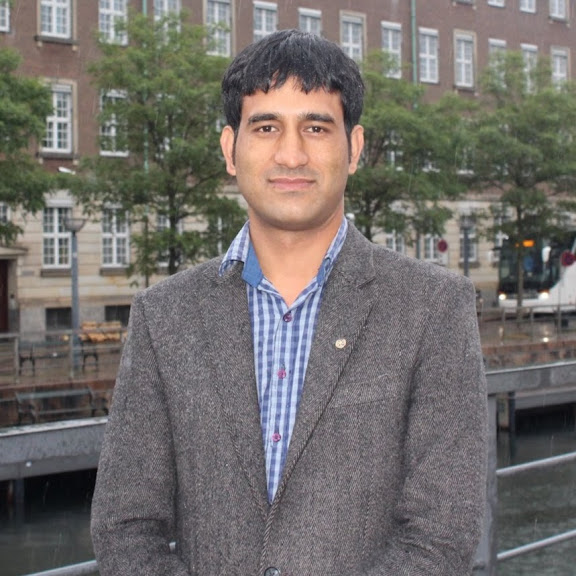
Date: June 22–28 Host/Facilitator: Nar Bahadur Saud Nar Bahadur Saud, PhD, is a peacebuilding researcher and practitioner from Nepal whose work integrates theatre, performance, and participatory arts to support dialogue, empathy, and social transformation. He completed his PhD at the University for the Creative Arts (UCA), UK, and is a Rotary Peace Fellow (Class 30) at Chulalongkorn University, Thailand. |
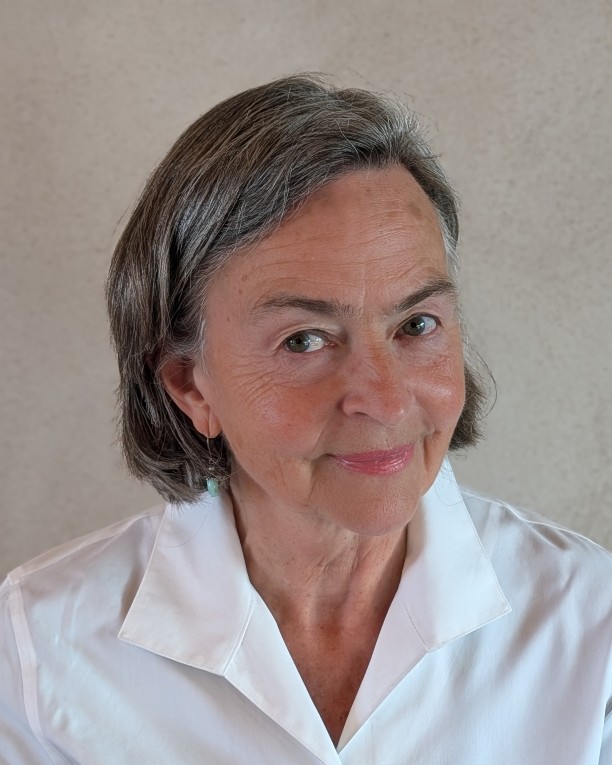
Date: June 29–July 5 Host/Facilitator: Celia Owens Celia Owens is a lifelong activist in anti-war, anti-nuclear, and pro-environmental movements, and a lifelong visual artist, theatre artist, and writer. Volunteered and worked in Hospice and Caregiving. Certified in therapeutic communications (NLP, RLT) for coaching, conflict engagement and restorative interactions. MA: International Peace and Conflict Studies from Hacettepe University, Turkey BA: STORY: Narrative in Literature, Visual Arts and Theatre from CUNY, Hunter College, NYC New York Studio School for Drawing Painting and Sculpture From Kentucky and Tennessee, lived and worked in Cape Cod,MA, New York City, Rome, Italy, Turkey, England and Nepal, now residing in Santa Fe, New Mexico, USA. Avocations: horticulture, land and water management, swimming and hiking, reading |
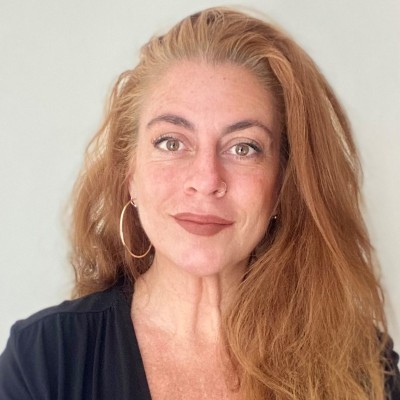
Date: July 6–13 Host/Facilitator: María Antonia Pérez M María Antonia Pérez M. is a Colombian designer, educator, and peacebuilder with over 20 years of experience at the intersection of visual communication, social innovation, and community-led peacebuilding. As a Rotary Peace Fellow and Asia-Pacific Leadership Program alumna, she has worked across Latin America, Asia, and the U.S., facilitating creative strategies for conflict transformation and civic storytelling. Her work merges participatory design with intercultural learning, and she has illustrated peace education tools, led public campaigns, and taught in academic settings. Her strengths are the work and leadership with multicultural teams and the strategic construction of solid relationships with different actors. |

This course is for people who want to understand how culture and creativity shape war, peace, and public imagination — and how the arts can be used more intentionally in education, advocacy, organizing, dialogue, communication, and social change.
It is especially relevant for:
- Peacebuilders, educators, and facilitators who want to strengthen their work through more creative, reflective, and culturally aware practice
- Artists and creative practitioners who want to explore the relationship between art, war, peace, education, and action
- Organizers, campaigners, advocates, and communicators who want to use the arts more effectively in public engagement, advocacy, and movement-building
- Researchers and students interested in creativity, culture, war, peace, and social transformation
- Lifelong learners and engaged citizens who want to better understand the role of the arts in shaping society and social change
Whether you are new to peace and anti-war work or already active in the field, the course offers fresh insight, practical tools, creative exercises, and international connections to support your work.
How to Register
You can register for the course using the registration form below.
To register by check:
- Email Phill Gittins at education@worldbeyondwar.org and say you would like to register.
- Make the check out to World BEYOND War and send it to:
World BEYOND War
513 E Main St #1484
Charlottesville VA 22902
USA
Registrations are non-refundable.
Accessing the Course
Prior to the start date, registered participants will be sent instructions on how to access the course. The course is designed to be flexible, so participants can complete the weekly materials at times that work for them.
Certificate the Course
Participants who complete the optional weekly assignments will be eligible to receive a certificate of completion. Facilitators may review submissions and provide feedback.
Cost
Standard fee: $100. Sliding scale places start at $25 according to ability to pay. Those able to contribute beyond the standard fee are welcome to do so, helping support access for participants who would otherwise be unable to attend. Registrations are non-refundable.
Questions
Contact Phill Gittins at education@worldbeyondwar.org