

By Rivera Sun, World BEYOND War, September 10, 2026
Nonviolent solutions are everywhere!
Tens of thousands of people are joining the annual Campaign Nonviolence Action Days from September 21 to October 2. For 13 years, Campaign Nonviolence has been rallying tens of thousands of people each year to take action to build a culture of peace and active nonviolence, free from war, poverty, racism, and environmental destruction. Spanning the 12 days from the International Day of Peace to the International Day of Nonviolence, the international campaign will highlight what nonviolence looks like on the structural or systemic level. To this end, hundreds of groups will be holding events and actions to “reflect, educate, and act to advance nonviolent solutions.”
Nonviolent solutions are programs, policies, and practices that interrupt violence, repair harm, and replace destructive systems. Just as violence can be more than physical, so can nonviolence. Systems and structures that currently cause harm through inequality, discrimination, racism, poverty, and environmental destruction should – and can – be replaced with effective alternatives anchored in justice, peace, inclusion, healing, dignity, and respect. From mass incarceration to the climate crisis, people around the world are campaigning to stop these harmful injustices and implement better systems that move humanity toward a just, peaceful future on a living planet.
What are these nonviolent solutions? They come in many shapes and sizes.
One set of solutions addresses conflicts in our lives, homes, schools, and workplaces. These practices include: restorative justice, violence prevention programs, conflict resolution in schools, dialogue, peacebuilding, reconciliation, bystander intervention, community safety, mental health support, trauma-informed policies, active listening, peer mediation, youth diversion programs, nonviolent communication, and more.
Other nonviolent solutions work toward environmental protection, such as renewable energy, reforestation, fossil fuel divestment, biodiversity protection, reuse and recycling programs, plant-based diets, marine sanctuaries, and so forth. Some of these concepts have profound ripple effects; for example, green spaces can dramatically lower urban temperatures during heat waves, and also decrease crime and depression.
A third collection of solutions addresses underlying issues of economic injustice and inequality: living wages, universal basic income, affordable healthcare, affordable housing, reparations, free mass public transit, debt abolition, free and affordable higher education, universal childcare, and more. Some solutions require high-level policy change, like national poverty reduction programs. Others are grassroots-led, like mutual aid or lending circles.
Nonviolent solutions range from familiar, everyday things (like skills for handling disagreements with friends) to big, visionary ideas that may seem impossible at first (like war abolition). Yet, the solutions are entwined and interconnected; everyday solutions offer a glimpse of what a world beyond war and violence might look like. When a violence interruption program can halt gun violence in an urban neighborhood, we can imagine how similar programs might be able to keep civilians safer in war zones. When we understand that the use of civil resistance worldwide has replaced armed conflicts with nonviolent methods that are twice as effective, we can dare to envision a world in which nations invest more in civilian-based defense and nonviolent action than in military power.
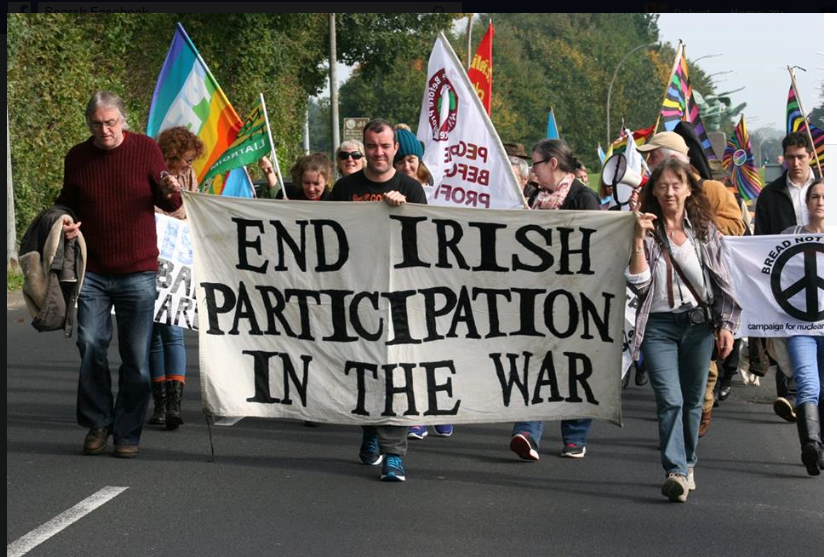
Campaign Nonviolence Action Days is a time when thousands of people move into action to bring the vision of this nonviolent world closer to reality. Across 24 states and more than 17 countries, people will be holding vigils, rallies, documentary film screenings, discussions, marches, advocacy meetings, concerts, art-making events, teach-ins, trainings, and direct actions. They will also be practicing nonviolent solutions in the field, such as holding restorative circles, peace team deployments, healing circles, and using active bystander training in public spaces. Additional groups will be working on clean up actions to address plastic waste, LGBTQ+ rights and inclusion gatherings, mental health, de-escalation skills, conflict prevention, animal rights, planting trees, self-care and wellness, community gardens, healthy masculinity, domestic violence prevention, halting fossil fuel infrastructure, abolishing animal testing, refugee and migrant justice, trauma awareness and healing, youth dialogues, conflict-sensitive reporting, food justice, gun violence prevention, cooperation, kindness, social cohesion, climate education, and environmental action.
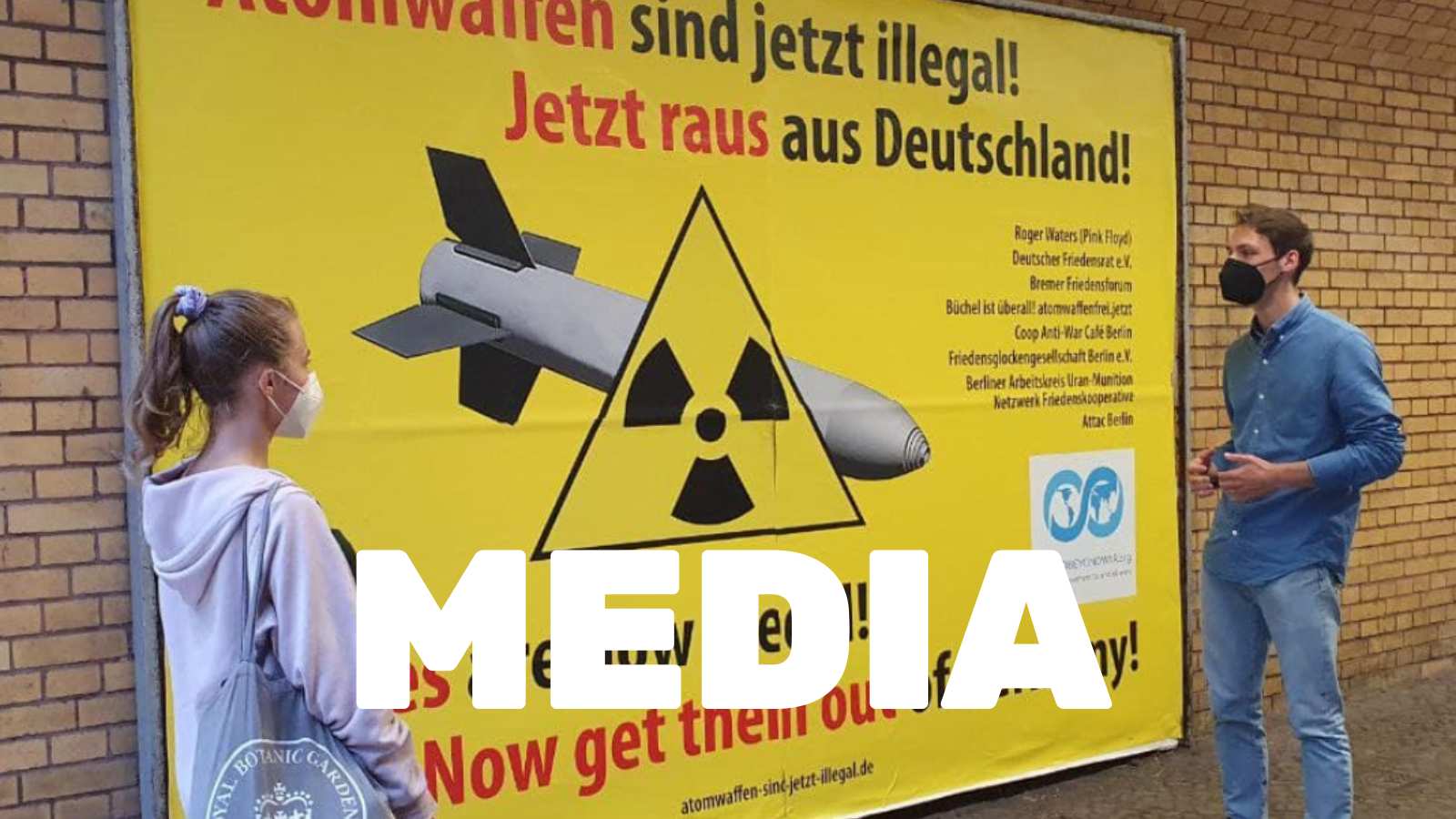
September 21st marks the International Day of Peace. The United Nations’ 2026 theme is “invest in peace.” Amidst a trillion-dollar proposed military budget in the United States, rearmament in Europe, and increasing militarization globally, this year’s approach encourages the annual celebrations of peace to recognize that peace is not accidental: it is intentional. Campaign Nonviolence partner groups like Nonviolent Peaceforce and Peace Alliance will be taking action to urge political officials to fund peacebuilding, diplomacy, unarmed peacekeeping efforts, and a US Department of Peacebuilding. Other groups will be working on weapons divestment, nuclear abolition, closing military bases, war tax resistance, civilian-based defense, peace journalism, and peace education.
October 2 marks the International Day of Nonviolence and Mahatma Gandhi’s birthday. All of the individuals and organizations participating in Campaign Nonviolence Action Days are committed to using nonviolent action and methods as “the means that are ends in the making,” as Gandhi said. Many of them are holding events that build skills in using nonviolent action as a tool for implementing the solutions. The Strategic Nonviolence Academy is convening hundreds of students and others for a virtual training on September 22, a day which has been dubbed “Strategic Nonviolence Day” in honor of the birthday of the late Rev. James Lawson, the strategic architect of the Civil Rights Movement. Community groups like Nonviolent San Antonio in Texas are holding discussions on civil resistance and the groundbreaking research on the effectiveness of nonviolent action.
Over 100 groups collaborate on these action days, including Nonviolent Peaceforce, World Clean Up Day, World Wellness Weekend, Peace Alliance, Bold Alliance, Metta Center, Center for Nonviolent Communication, DC Peace Team, World BEYOND War, CODEPINK, March For Animals, Peace Through Action USA, We the World, 11 Days of Global Unity, Climate Reality Project Uruguay, Strategic Nonviolence Academy, Franciscan Peace Center, Catholic Nonviolence Initiative Fall Series, Just Peace Sunday, Rotary Club of Bangalore, Landmark International, Arkansas Peace Week, Philly Peace Day, and many more.
Together, these practical and effective solutions form the framework of a culture of nonviolence. One of the most inspiring aspects of this global effort to uplift nonviolent solutions is the recognition that these ideas show that another world is possible. Most of these ideas aren’t distant visions … they’re anchored in on-the-ground efforts that are already underway. During Campaign Nonviolence Action Days, people around the globe aren’t asking if nonviolent solutions work. They’re demonstrating how these concepts already transforming people’s lives – and they can be implemented on a larger scale.
You can learn more about Campaign Nonviolence Action Days, Sept 21-Oct 2, find actions and events near you:
https://paceebene.org/action-days.
~~~~~~~~~~~
Rivera Sun, syndicated by PeaceVoice, has written numerous books, including The Dandelion Insurrection and the award-winning Ari Ara Series. She is the editor of Nonviolence News, Program Coordinator for Campaign Nonviolence, and a nationwide trainer in strategy for nonviolent campaigns. Rivera has been honored for her literary work and social justice efforts in the Americans Who Tell The Truth Portrait Series.

One Response
Thank you.