



Andrew Nisker
Director, Nuked
For over two decades, Andrew Nisker has directed and produced award-winning impactful, visually stunning, and thought-provoking documentaries under the banner of Take Action Films, a pioneering production and distribution company at the forefront of environmentally-focused filmmaking. Take Action Films is founded on the principle of driving dialogue and meaningful change by breaking down complex topics into smaller, individualized actions that viewers can bring into their own lives. Andrew’s own personal history, marked by a family battle with environmentally driven illness, ignited a personal quest for answers and fuelled a powerful desire to educate, inspire and empower others to make small changes that add up to big differences. Every film that Andrew produces is a piece of investigative journalism that also aims to inspire us to make our world a better place. The exploration of each subject has led to new discoveries and opened up new questions, leading to a catalog of work with connections that have linked together years of deep research and revelation. Using a signature dry wit, Andrew brings information about global topics home to viewers in a wholly accessible and approachable style. Andrew’s investigations have included everything from tracking the accumulation and disposal of household waste (2008’s Garbage! The Revolution Starts at Home and This Film is Garbage! 2024) to a history of gum, the world’s most common source of litter (2014’s Dark Side of the Chew) to the depletion of the world’s coral (2020’s Coral Ghosts) and a powerful and deeply personal expose of pesticide use (2018’s Ground War, Dad and the Dandelions for CBC’s The Nature of Things). Andrew’s film, Nuked (2023), depicts the chilling power and horrific aftermath of Cold War nuclear tests in the Bikini Atoll. Currently, Andrew is directing and producing a deep dive into the power of SWEAT (2025) and the surprising impact sweat has on human health as well as a deeply personal story that delves into the histories of Andrew and his wife Lindsay’s grandmothers’ arduous journeys from the opposite (political) sides of war-torn Europe to Canada (Silence is Deafening). Andrew’s personable style has been put to good use in building a community of engaged and informed fans. By coming together and sharing stories that educate even as they entertain, Andrew believes we can create a world that works for everyone, including the planet we call home!
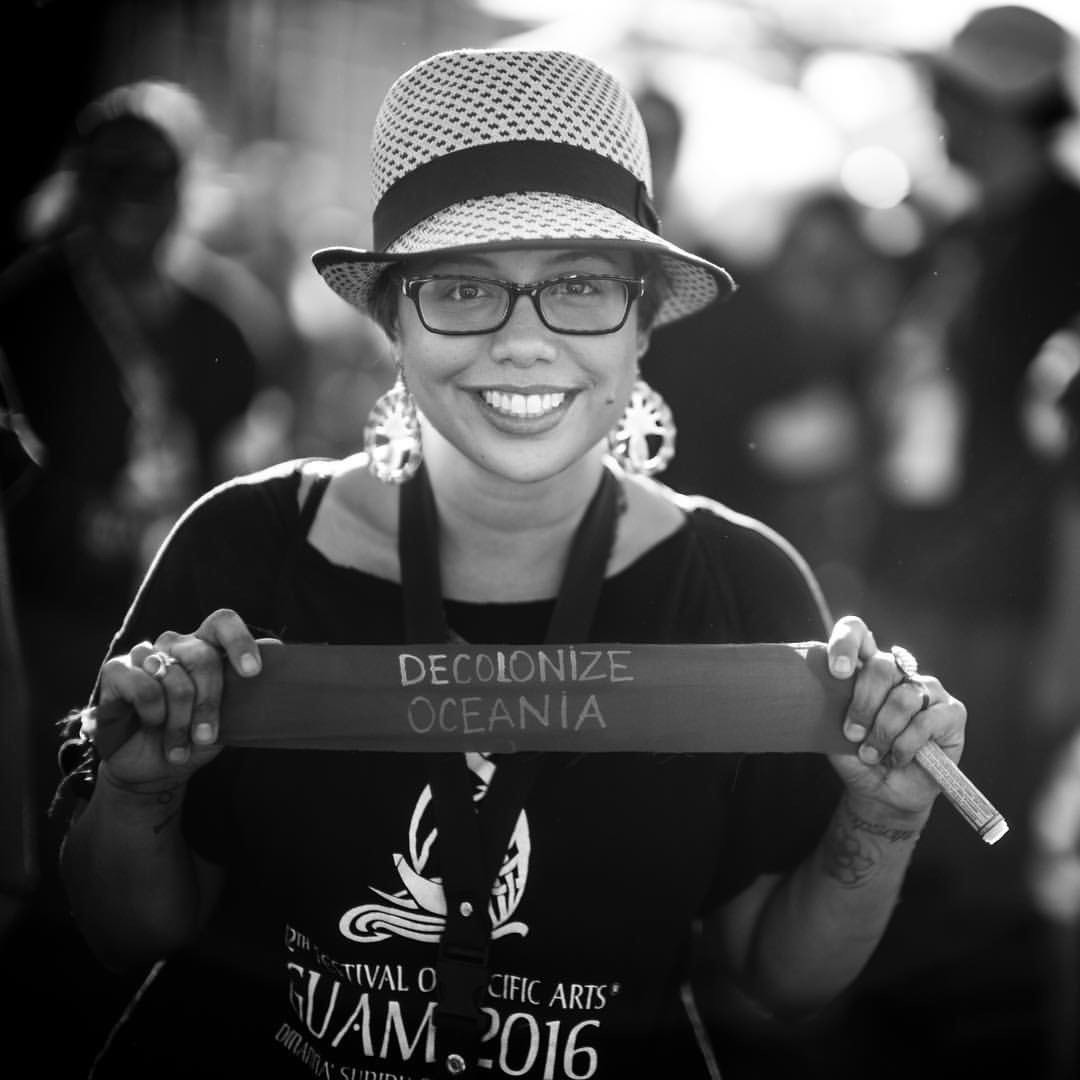
Monaeka "Naek" Flores (moderator)
Director of Prutehi Guåhan (formerly Prutehi Litekyan)
Monaeka "Naek" Flores (Familian Kabesa, Mannok) is a queer CHamoru activist and artist from Guåhan. Naek has organized with several local groups to advocate for decolonization, demilitarization, environmental justice, reproductive rights, and LBGTQIA rights. Naek works with Prutehi Guåhan (formerly Prutehi Litekyan) to confront harms from militarization through direct action, legal strategy, public information campaigns, and advocacy and also organizes with Mariånas for Palestine.
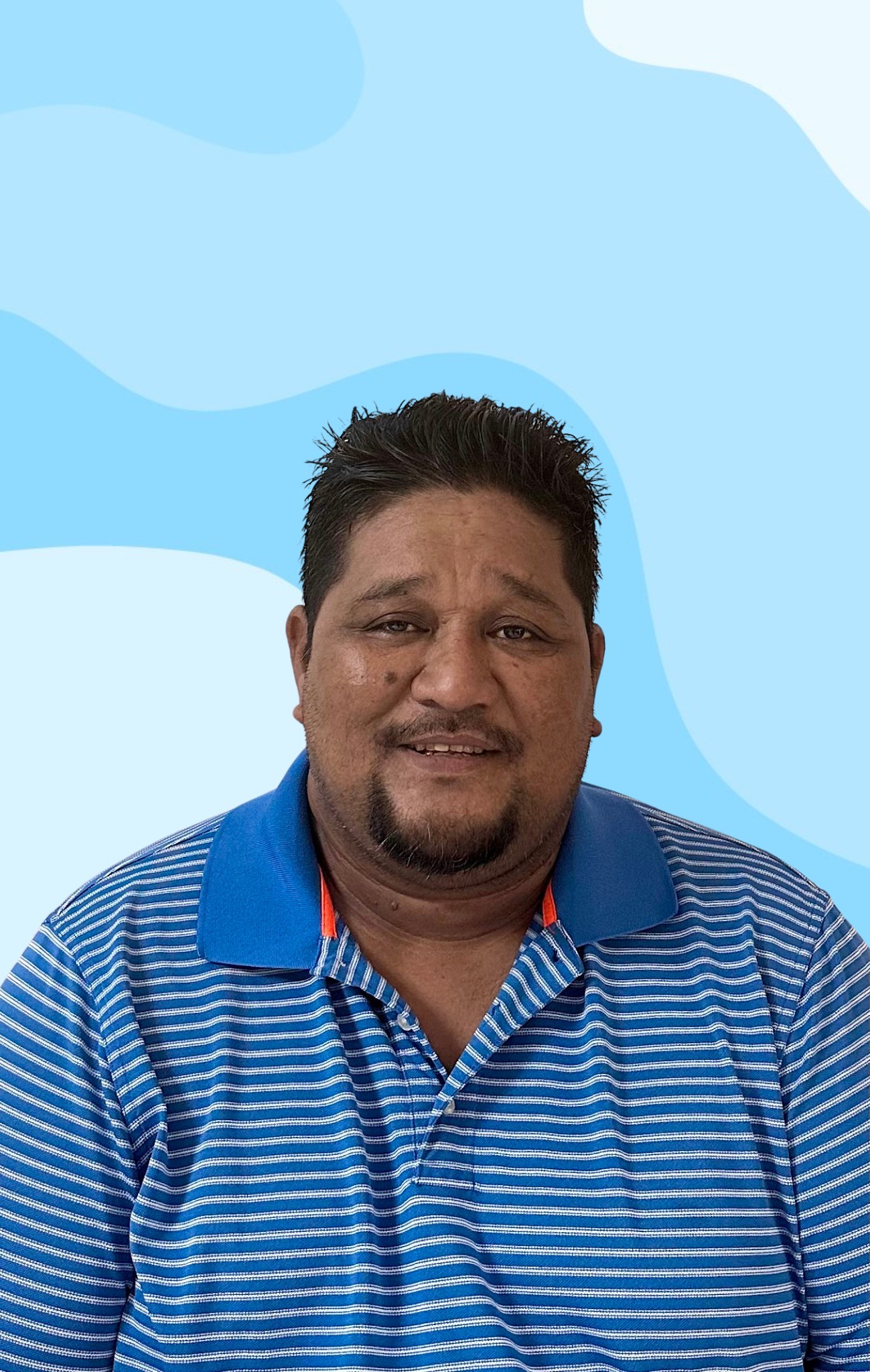
Anderson Jibas
Former Bikinian Mayor
Anderson Jibas was born on Kili Island 47 years ago. His grandfather grew up on Bikini Atoll, but Anderson and his siblings, like their parents, were raised on Kili Island, where the Bikinian exiles were relocated. Anderson began his education on Kili but moved to the U.S. in his sixth-grade year after his parents sought better schooling and opportunities for him. His journey took him to Hawaii in 1989, followed by Minnetonka, Minnesota (1990-1994), Columbus, Georgia (1994-1995), Springfield, Missouri (1995-1996), Seattle, Washington (1996-1997), and then back to Springfield (1997-2000), before spending time in Denver, Colorado; Enid, Oklahoma; and Springdale, Arkansas. He graduated from Kickapoo High School in Springfield, Missouri, and attended Ozark Technical College before returning to the Marshall Islands to study at the College of the Marshall Islands. While living in America, Anderson gained valuable work experience, working in several large food industries. Upon returning to the Marshall Islands, he dedicated 10 years as an elementary school teacher on Kili Island. These diverse experiences, both in the U.S. and the Marshall Islands, shaped Anderson into a resourceful leader. His exposure to Pacific cultures in Hawaii and his time in Minnesota, where he learned ice hockey and basketball, instilled a love of sports and a strong work ethic. Even today, he is known for his punctuality and dedication. Driven by a desire to serve his people, Anderson returned to Kili after completing his education. He became a teacher and developed numerous sports programs for boys and girls, many of which remain active today. Additionally, Anderson took it upon himself to research and document the history and ancestry of the People of Bikini, consulting elders and records. He is one of the few experts on the heritage of Bikini's clans and tribes. As a married man with a small family, Anderson has a deep understanding of the hardships faced by Bikinians living on a small, flood-prone island without a lagoon and relying heavily on imported food due to limited agricultural possibilities. In 2015, Anderson was elected Mayor of the People of Bikini and was re-elected in 2019. As mayor, his leadership marked a shift from reliance on U.S. oversight. He introduced a balanced plan, restructured his team, and instilled a sense of responsibility among the Bikinian people. Under his guidance, the Resettlement Trust Fund was managed effectively, and revenue-generating projects were initiated to secure financial independence for his community. Now a former mayor, Anderson continues to advocate for justice, pushing for the cleanup of Bikini Atoll and seeking global partnerships to make the atoll radiation-free. He envisions a future where dive tourism and limited land tourism on restored parts of Bikini bring sustainable development. Today, Anderson resides in Majuro, where he remains a passionate voice for his people, a visionary leader, and a champion for the People of Bikini.

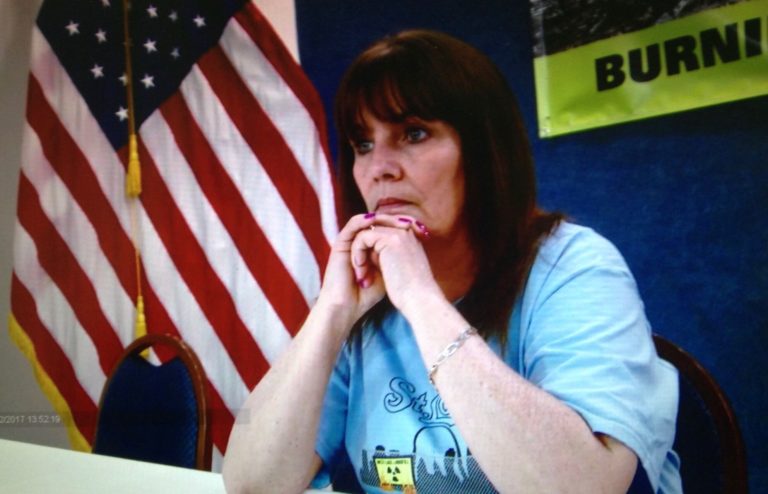
Karen Nickel
Co-Founder, Just Moms STL
Karen Nickel is a wife, mother and grandmother doing everything she can to protect her children and community from radioactive waste. She is the founder of the West Lake Landfill Facebook group, and Co-Founder of Just Moms STL. Karen grew up exposed to the radioactive Coldwater Creek site, and for the past twenty years, she has lived 1.8 miles away from the West Lake – Bridgeton Landfill Superfund Site. For Karen, working with Just Moms is what “SHE HAS TO BE” doing to protect her family and future generations.
Pat Elder (moderator)
Board Member, World BEYOND War and Director, Military Poisons
Pat Elder is known for his work on per-and poly fluoroalkyl substances (PFAS). He has written 300 articles on PFAS. Many may be found at www.militarypoisons.org. Since 2019, Pat has been focused on the understudied role of PFAS exposure from food. He believes there is too much emphasis on PFAS levels in drinking water, with too limited a focus on PFAS exposure from food, particularly seafood. Elder and his associates have tested surface waters flowing from 50 U.S. military bases worldwide and have reported dangerous levels of the toxins in the rivers. PFAS is used in hundreds of products and applications by the military and is recklessly discarded into the environment without oversight. Pat has tested seawater, crabs, oysters, and fish and found levels of the carcinogenic compounds that are orders of magnitude greater than the levels allowed in drinking water. The compounds bio accumulate in aquatic life, poisoning the food chain. They do not break down in nature. Elder argues that the U.S. Department of Defense (DOD) dictates environmental policy in the United States and around the world while relying on a robust propaganda campaign to dispel resistance and avoid staggering financial liability for its ongoing environmental crimes.

Dawn Chapman
Co-Founder, Just Moms STL
Dawn Chapman, working in tandem with Karen Nickel, runs the non-profit organization “Just Moms STL.” Just Moms is an advocacy group formed with the goal of raising awareness and community engagement regarding the nearby West Lake Landfill Superfund site. Living mere miles from the landfill, Dawn became engaged in this effort in 2013 after contacting the MO Dept of Natural Resources regarding pungent odors. That call would end up leading Dawn on an unlikely journey from housewife and mother of three to becoming an advocate, a repository of knowledge and history about this site, and even a mentor to people dealing with the impact of other Superfund sites on their own communities across the country. Dawn has collaborated with and advised local, state and federal agencies, media organizations, and both locally affected community members as well as passionate environmental advocates worldwide. She has presented to groups as widely varied as high school and college classes, church and municipal groups, the MO State Legislature, all the way up to appearing before the United Nations Human Rights and Environmental Justice division. She was also invited to present to the White House Council on Environmental Quality. Ultimately, Dawn and Karen’s persistence and determination through Just Moms STL paid off. In 2018 the EPA decided upon a new Record of Decision for the West Lake Landfill site, declaring plans to remove a majority of the radioactive material and ensure the safety of the surrounding community. Although one of their most important goals had been achieved, this didn’t signify the end of Dawn and Karen’s work with Just Moms STL. They continue to work with EPA on finalizing the plan to clean up the West Lake Landfill site, as well as mentoring people at other Superfund and environmentally contaminated sites on how to advocate for their health and safety.
Larbi Benchiha
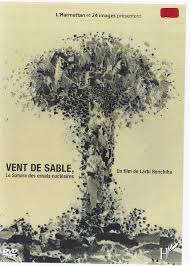
Director, SAND STORM, the Sahara of the Nuclear Tests
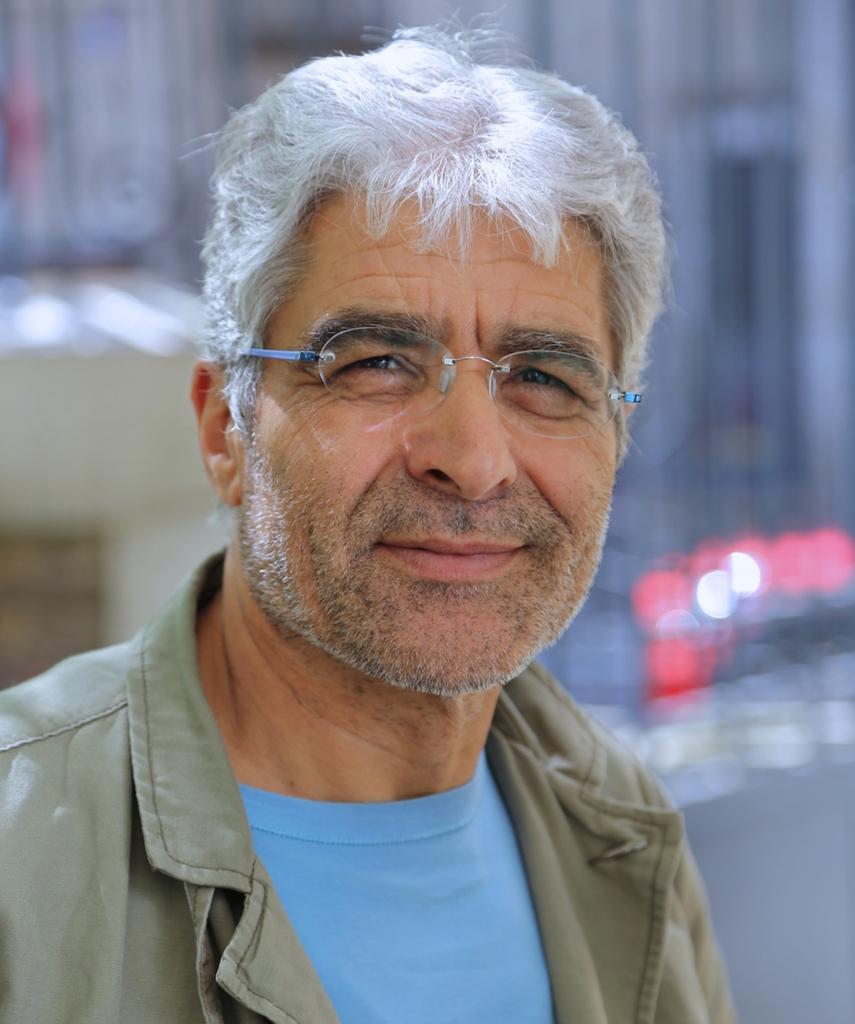
A native of Algeria, Larbi Benchiha is an actor, director, and screenwriter. He left Algeria at the end of the 1970s and settled in France. He has a Master’s degree in film studies from the University of Rennes and undertook his research dissertation on “History and aesthetic of politically-committed cinema in France.” During the 1990s, he worked as a freelance journalist for the French channels TV Rennes, Arte Info, France2, France3, the ZDF, and M6. He has produced documentary films on social phenomena such as social exclusion, Hip Hop culture, the Punk movement, the Israeli-Palestinian conflict, and nuclear weapons. Larbi’s films have been selected for film festivals in France, West Africa, Algeria, Belgium, and Canada. In addition to "SAND STORM", Larbi's films include "GREETINGS FROM MOROROA" on the consequences of nuclear tests in Polynesia, which won the grand prize at the 2017 film festival in Berlin, and the 2019 film "OLD URANIUM MINE, ENDLESS RADIATION," on the health and ecological damage of uranium mining in Brittany. He regularly returns to his native country of Algeria to make films.
Leila Hennaoui
Professor of International Law
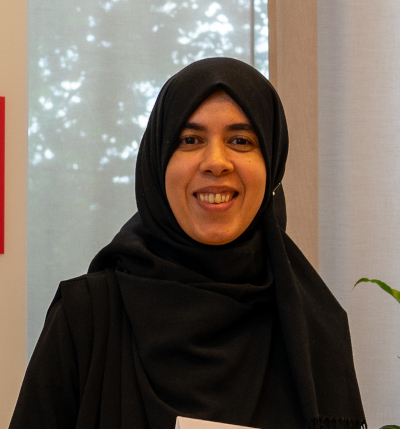
Leila Hennaoui is a Professor of International Law with over ten years' experience, specialising in nuclear non-proliferation and disarmament, decolonial perspectives and the legal and human rights implications of nuclear practices. Her research focuses on the legacy of French nuclear testing in Africa and the broader intersection between nuclear technology, colonialism and environmental justice. Leila has presented at international conferences and contributes to academic discussions on disarmament and the challenges that the Global South faces in navigating the nuclear order.
Amel El Mejri
Programme Officer at International IDEA's Tunis office
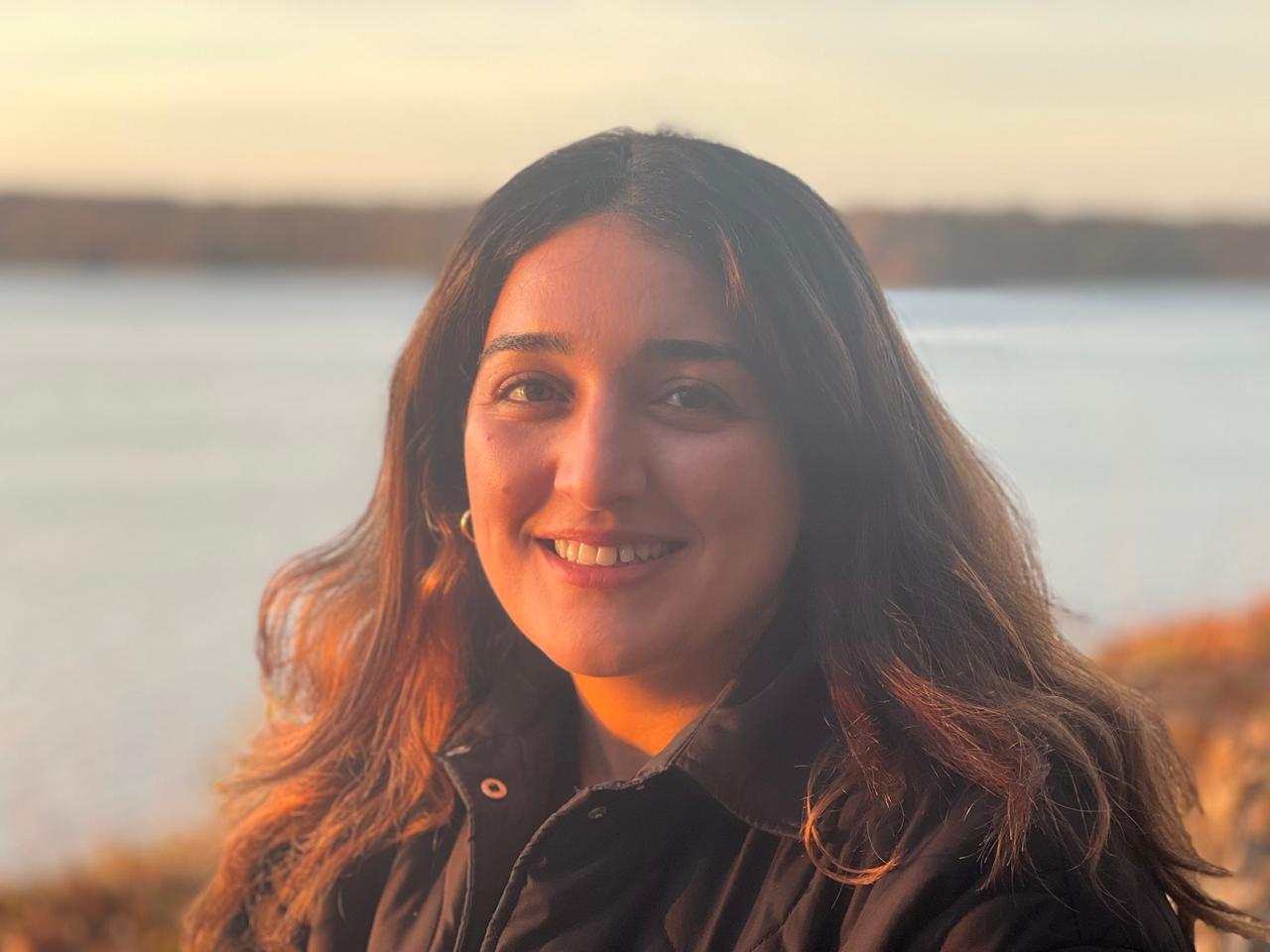
Amel El Mejri is a Programme Officer at International IDEA's Tunis office since November 2020. With a strong and enriching experience in international organisations such as the African Court on Human and Peoples' Rights, the Arab Atomic Energy Agency and the UNDP, she has developed an expertise in participatory democracy and local governance at local, regional and global levels. Amel works closely with civil society organisations and plays an active role in nuclear disarmament as a member of the International Campaign to Abolish Nuclear Weapons (ICAN).
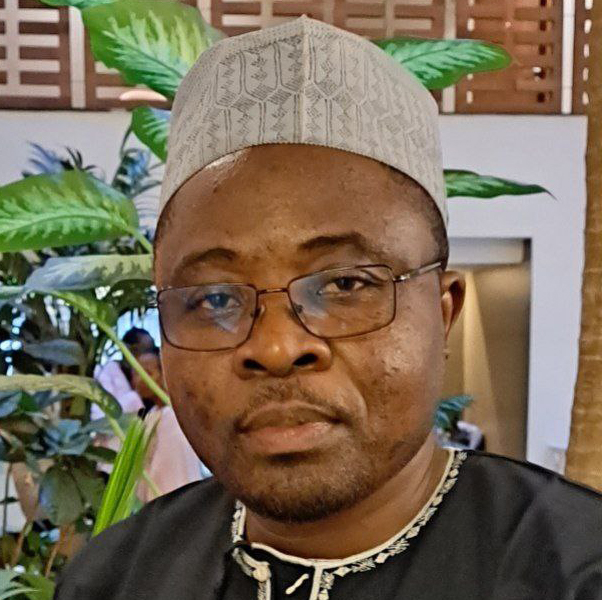
Guy Feugap (moderator)
Africa Organizer, World BEYOND War
Guy Feugap is Africa Organizer for World BEYOND War. He is a secondary school teacher, writer, and peace activist, based in Cameroon. He has long worked to educate youths for peace and non-violence. His work has put young girls in particular at the heart of crisis resolution and awareness raising on several issues in their communities. He joined WILPF (Women’s International League for Peace and Freedom) in 2014 and founded the Cameroon Chapter of World BEYOND War in 2020.