By World BEYOND War, July 2, 2025
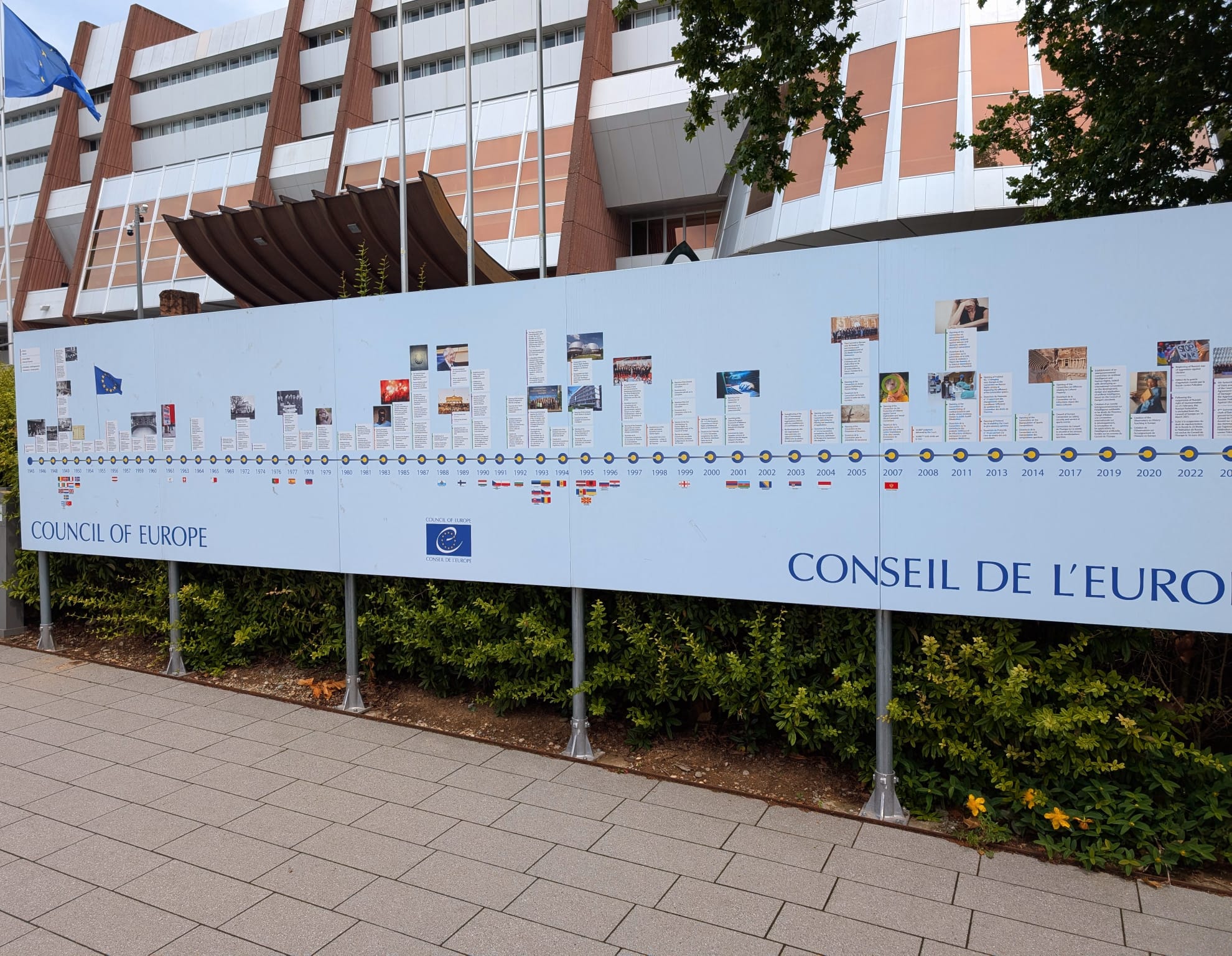
Dr. Phill Gittins, Education Director at World BEYOND War, contributed to the second meeting of the Drafting Group—which is collaboratively preparing a Recommendation by the Committee of Ministers to member States on “Peace Education By, With, and For Young People” (working title). The meeting took place at the Council of Europe’s European Youth Centre in Strasbourg, France, in early June 2025.
This standard-setting instrument—the first of its kind within the Council of Europe—is being developed jointly by representatives from the Youth Department, Education Department, and Partial Agreement on Cultural Routes, together with the Advisory Council on Youth (CCJ), the European Steering Committee for Youth (CDEJ), the European Youth Forum, ERYICA, the EPAN Bureau, and the Permanent Representation of Estonia to the OECD and UNESCO.
The Recommendation is being drafted in response to global realities, aligning with international policy frameworks by UNESCO and the United Nations that call for peace education and the Youth, Peace, and Security agenda to be positioned as key priorities for addressing today’s interconnected threats to peace and security—including war, armed conflict, democratic backsliding, ecological collapse, and the erosion of human rights, social cohesion, and international law. It also contributes to the achievement of the Sustainable Development Goals—particularly SDG 4 (Quality Education), including target 4.7 on education for peace, global citizenship, and sustainable development; and SDG 16 (Peace, Justice, and Strong Institutions).
The process also exemplifies the Council of Europe’s unique co-management model in the youth sector, which ensures equal partnership between government and youth representatives in decision-making, and contributes to the development of a whole-of-society and whole-of-education approach.
“I always learn a great deal from working with people who approach issues from different standpoints,” Phill noted. “This process brings together youth, policy, education, research, and practitioner perspectives in ways that are both challenging and inspiring. Disagreement is natural. The ‘practice of peacebuilding as a practice’ involves not always agreeing, but listening respectfully, engaging constructively, and seeking not only to explain one’s own perspective but to understand others. Such diversity is essential for making sense of complex challenges and advancing work that bridges policy, research, and real-world application.”
In addition to contributing to the discussions, Dr. Gittins is supporting the Drafting Group by, among other tasks, drafting the texts for the Recommendation and supporting documents—including the explanatory memorandum and implementation guidelines—based on the orientations, decisions, and proposals of the group.
His current focus is on synthesising a wide range of inputs gathered through consultations, the feasibility study, and in-person and online engagements, and revising the draft in ways that are strategic, grounded, implementable, and principled.
“The aim,” he says, “is to develop a Recommendation that is not only politically adoptable, but normatively ambitious—supporting the establishment or further development of policies, programmes, practices, and research agendas that help individuals and organisations across the Council of Europe build peace by peaceful means through peace education and youth work.”
If adopted, the Recommendation has the potential to make a supportive contribution to transitioning away from war, armed conflict, and violence toward more inclusive, democratic, and peaceful societies. It would also contribute meaningfully to the Council of Europe’s broader mission—including the youth sector’s strategic priority of “living together in inclusive and peaceful societies”—and help position the Council as a leading voice in advancing peace education across its 46 member States and beyond. This marks a significant step in elevating peace education as a policy priority at both European and global levels.
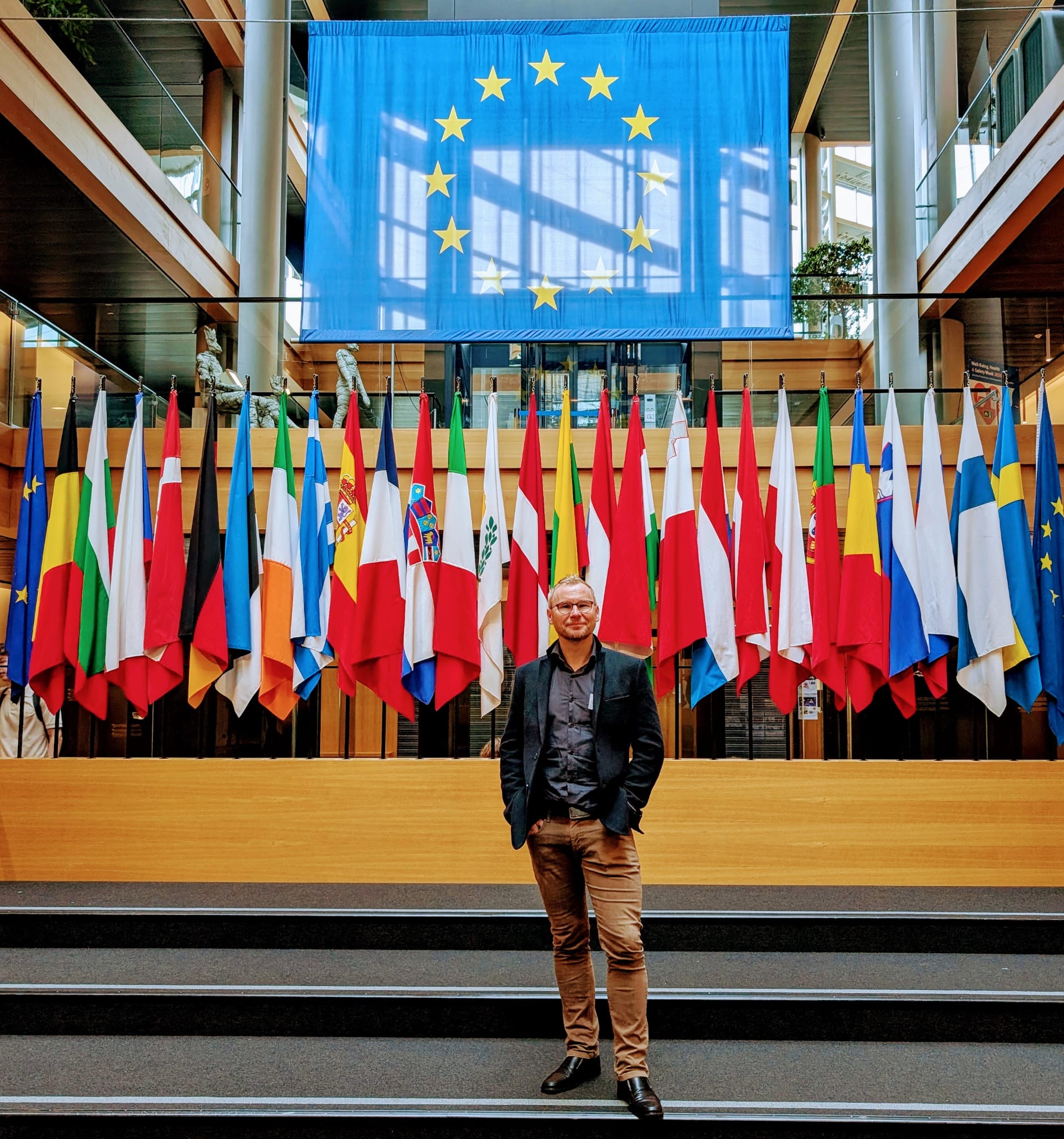
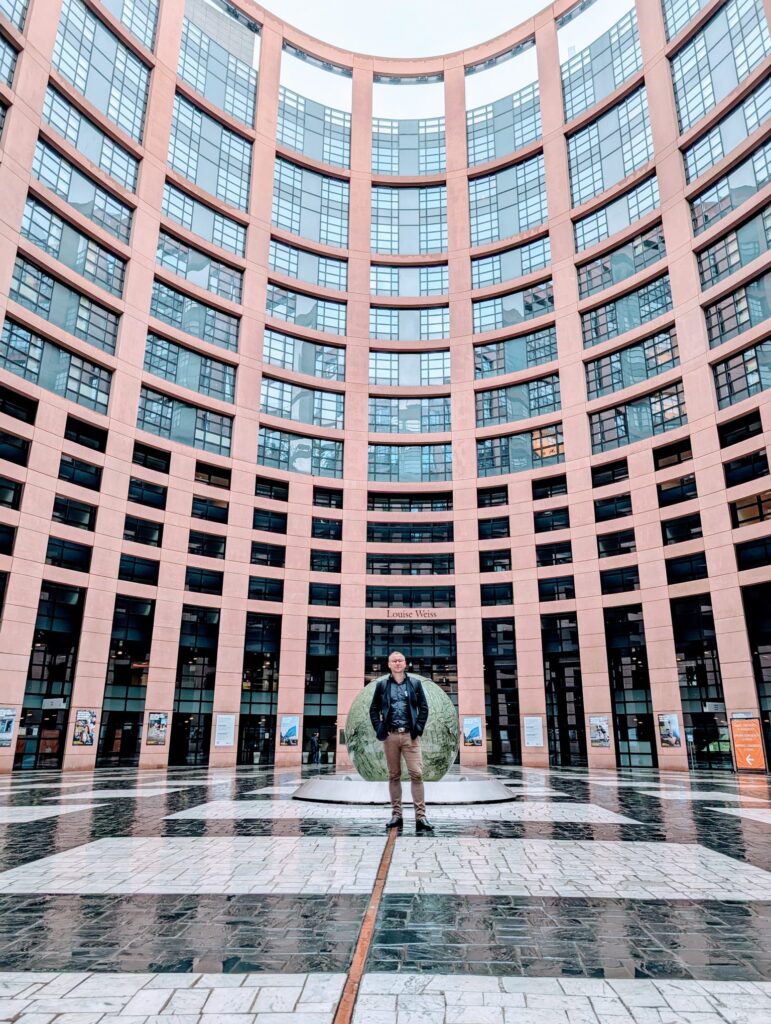
Note: Photos included here were taken outside the Council of Europe buildings, as images from the meetings are not yet available.